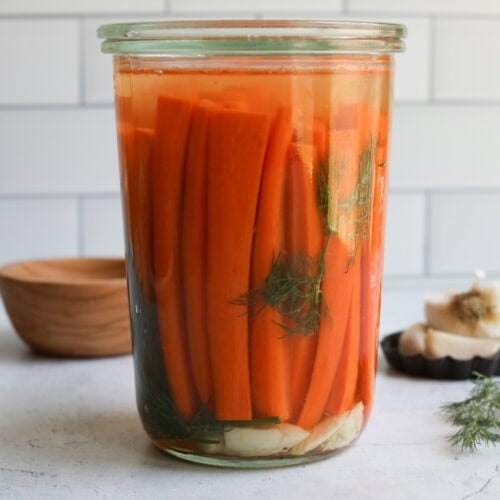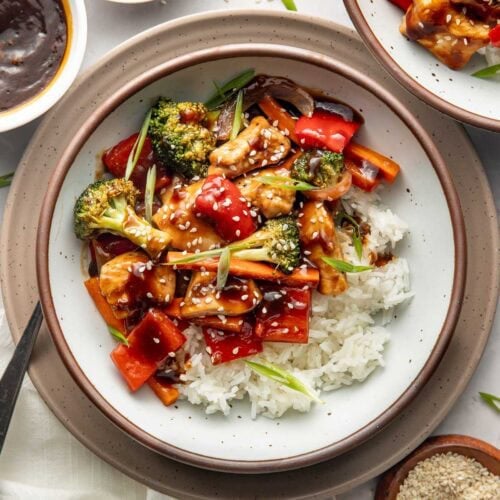
As a dietitian, I know that eating a healthy diet is key to keeping my body running well. In the short-term, I feel better, more energized, and have more consistent digestion. And in the long-term, a nutritious diet also helps reduce my risk of many chronic conditions and illnesses.
One group of foods I always keep in mind for my health is anti-inflammatory foods. Chronic or long-term inflammation is associated with diabetes, heart disease, arthritis, cancer, and obesity. And while many different factors impact inflammation, diet is a big one. The foods I eat can support reducing inflammation or make it worse. While I don’t stress about eating an occasional sweet drink or glass of wine, I make a conscious effort to load up daily on antioxidant-rich foods to help fight inflammation. Luckily, many of my favorite healthy foods top the list of those that can help reduce inflammation. I dug into the latest research on why these foods are so beneficial.
Fruits And Berries
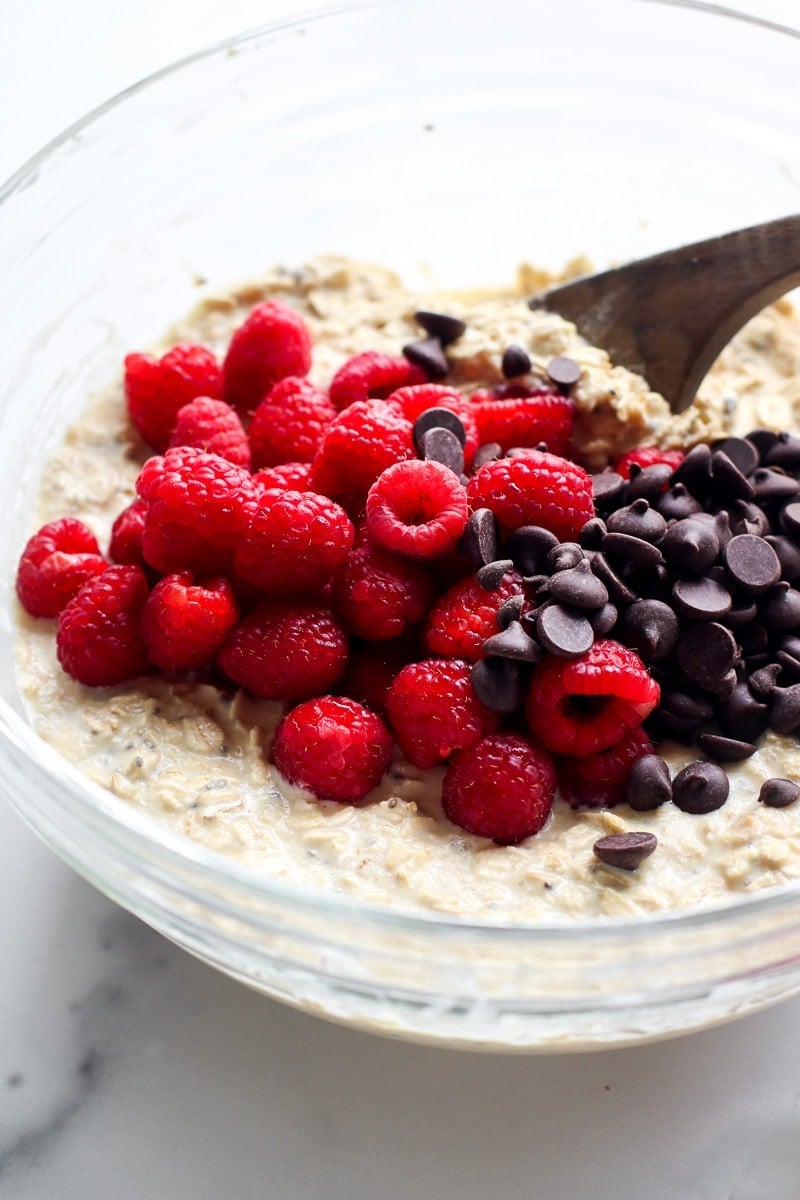
Fruits are so much more than nature’s candy. Because they’re so tasty, I think their health benefits are often underestimated. Fruits contain fiber, polyphenols, antioxidants, and vitamins—all of which have anti-inflammatory effects in the body. As a category, fruits look like the rainbow, and all those beautiful colors are associated with health benefits. Eating more fruit is linked with reduced inflammation, but each fruit also has its own unique anti-inflammatory benefits. Eating a variety of fruits keeps things interesting and also provides a wide array of nutrients. Here are some specific anti-inflammatory benefits of some of my favorite fruits.
- Grapes: Sweet and juicy, grapes of all colors have polyphenols that help reduce inflammation. Both red and green grapes helped reduce oxidative stress by decreasing proinflammatory cytokines in the body. Their anti-inflammatory properties may help reduce the risk of chronic diseases, like metabolic disease and type 2 diabetes.
- Blueberries: Their deep purple hue comes from anthocyanins, a powerful polyphenol. Anthocyanins and blueberry intake are associated with lower inflammatory markers and may help reduce exercise-induced inflammation.
- Raspberries: These ruby fruits are particularly high in fiber and polyphenols. They may be particularly helpful for supporting heart health by reducing inflammation. Research links raspberries with improved vascular function and reduced arterial inflammation.
- Oranges: Citrus fruits, like oranges, are known for being high in vitamin C, an antioxidant. Oranges also contain compounds, including hesperidin and naringenin, which help reduce oxidative stress and inflammation in the body. These combine to be especially helpful for the immune system. I especially love making orange smoothies to help hydrate and support my immune health during sick season.
- Apples: I love a crisp juicy apple in the fall, and luckily, everyone else in my family enjoys apples, too. Apples contain flavonoids and phenolic compounds that help reduce inflammation, including quercetin, kaempferol, and chlorogenic acid. These components may also help reduce cancer risk and slow biological aging.
Leafy Greens And Cruciferous Vegetables
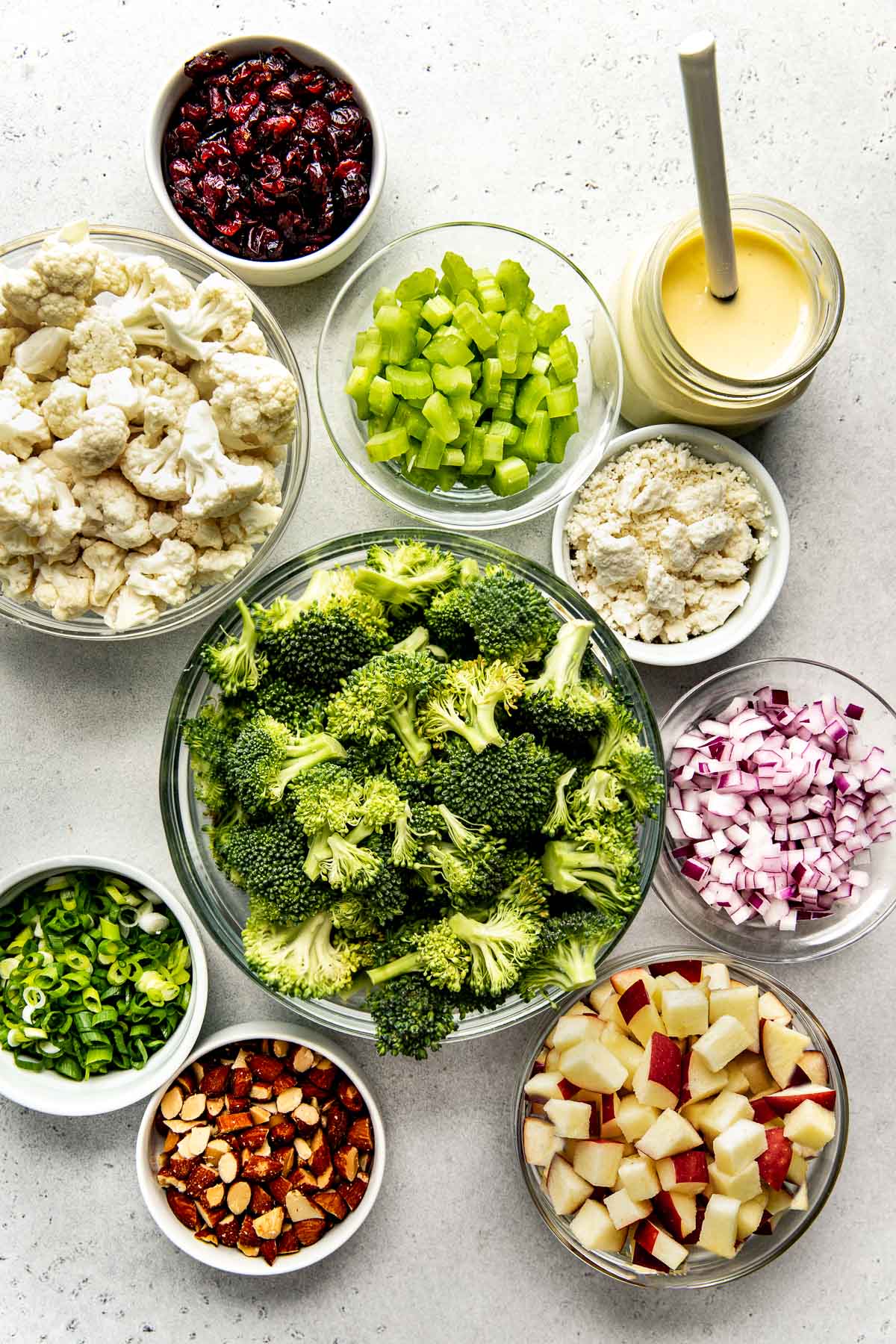
One of the top groups of foods I can recommend eating more of is leafy greens and cruciferous vegetables. These include broccoli, kale, spinach, cauliflower, and so many more. Research consistently links these foods to positive health outcomes, including lower inflammation and mortality. Cruciferous vegetables contain sulfur compounds (which is why roasting broccoli can be a little stinky), which help protect heart health and fight inflammation. Choosing a favorite from this category would be like choosing a favorite child, and I just cannot do it! I did dig into the research on some of my favorites in order to share the specific reasons each one helps.
- Broccoli: This green veggie is actually a member of the cabbage family, and it’s loaded with nutrition. Sulforaphane, glucosinolates, isothiocyanates, and vitamins all help broccoli quell inflammation in the body.
- Cauliflower: Though it’s not as colorful as some of its cruciferous counterparts, that doesn’t mean cauliflower is lacking in nutrition. It’s rich in glucosinolates and antioxidants that fight inflammation and reduce oxidative damage.
- Brussels sprouts: I was not mad when Brussels became the trendy vegetable a few years back. They consistently find their way onto my plate at dinner. I’m particularly fond of roasting them with bacon, for a dish that works for weeknight sides and holiday tables. Brussels sprouts contain sulforaphane, isothiocyanate, chlorophyll, and other compounds that act as antioxidants and help reduce inflammation.
- Kale: One of the most popular dark, leafy greens, it’s also one of the healthiest. The compounds in kale help the body fend off viruses and bacteria and may reduce cancer risk. Kale is rich in vitamins and minerals, along with polyphenols, flavonoids, and glucosinates that help reduce inflammation.
- Spinach: Another dark leafy green that shows up regularly on my plate. I like spinach because it’s fairly mild and tender, and a versatile green. A recent small study gave men a dose of spinach, a greens powder, or nothing and found that both the spinach and greens groups had reduced oxidative stress markers after high-intensity exercise. One more reason to love green smoothies.
- Collard Greens: These greens are beloved in the South, and though I live in the mountains, I still love cooking up collards. Collard greens are high in chlorophyll, which helps protect against oxidative stress and inflammation.
Fatty Fish
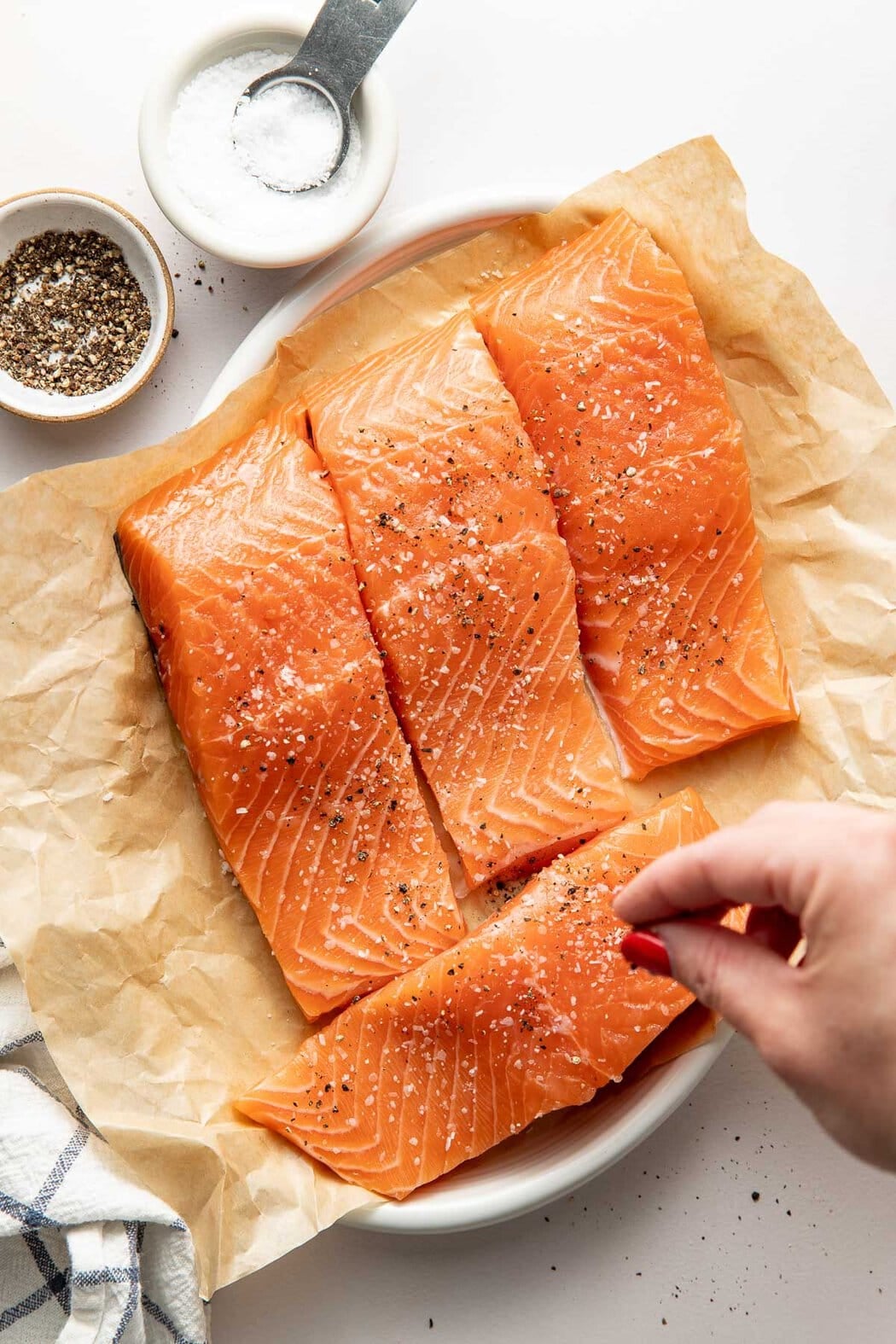
I’m a seafood girl through and through. I love the taste of a perfectly grilled salmon or tuna melt sandwich as much as I enjoy the health benefits I’m getting from them. Fatty fish helps reduce inflammation for a few reasons. The biggest is that it’s rich in omega-3 fatty acids, which support the immune system and can reduce symptoms of autoimmune diseases, such as arthritis. Regularly eating fatty fish helps improve gut health, and happier gut bacteria produce more short-chain fatty acids, which reduce inflammation in the body.
General guidance is to eat two to three servings of fish per week. If you’re looking to maximize anti-inflammatory benefits, choose fish rich in healthy fats. Omega-3’s are highest in salmon, herring, rainbow trout, anchovies, tuna, mackerel, and sardines. Choose safer seafood often, with lower levels of mercury.
Tomatoes
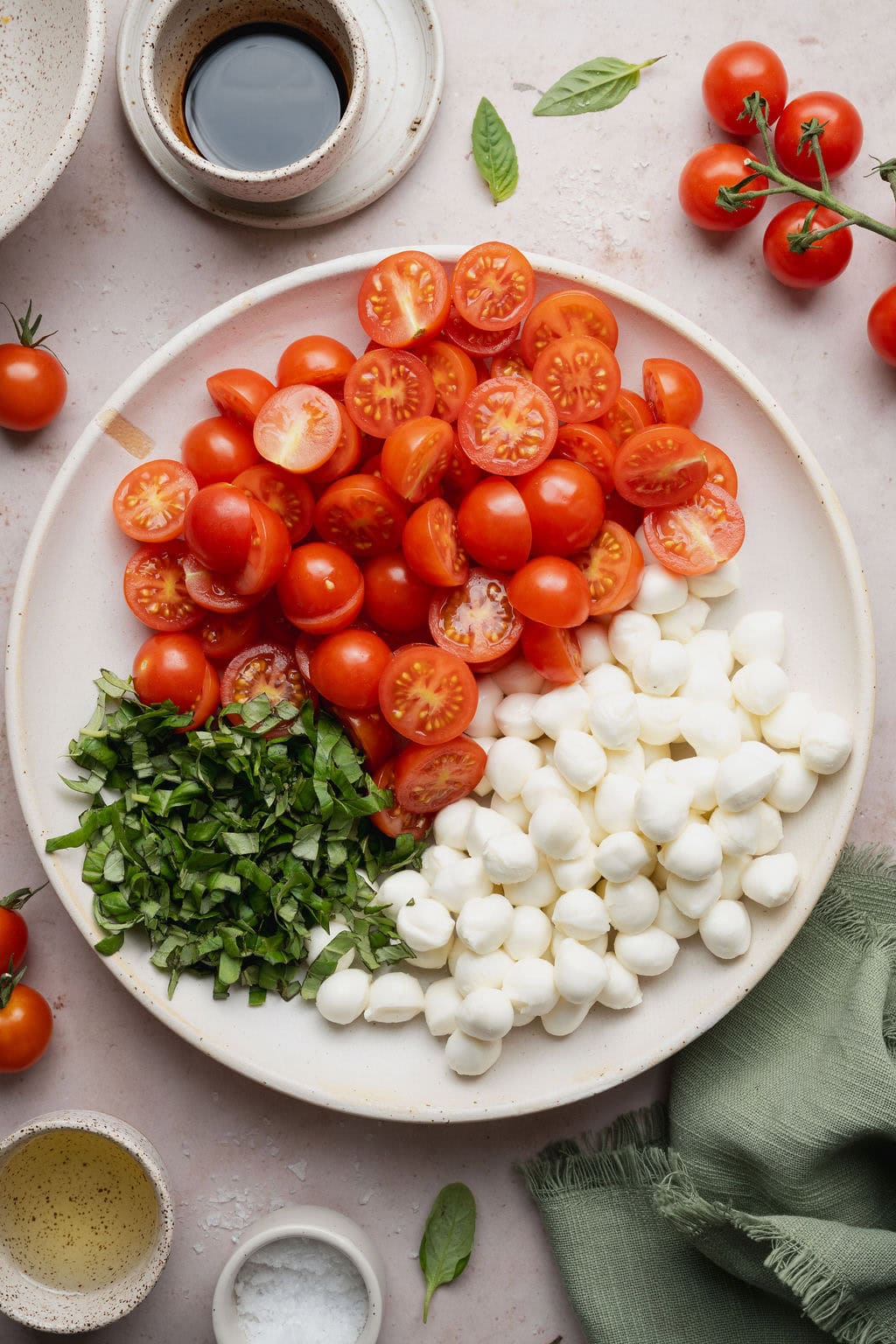
When tomatoes are in season, I’m eating them every which way I can. I’m partial to bruschetta and using them to make caprese salad and other summer salads, but I’ve also been known to grab them by the handful. Lycopene is the most researched antioxidant in tomatoes, but it’s not the only one.
Tomatoes are rich in nutrients, including vitamin C, beta-carotene, and flavonoids. The carotenoids in tomatoes act as antioxidants and help reduce oxidative damage. Their anti-inflammatory effects improve immune response along with cardiovascular, gut, and skin health. More research on lycopene-rich foods shows they reduce pro-inflammatory cytokines and may be helpful for managing anti-inflammatory conditions. Cooking tomatoes actually increases the lycopene available, so while I’ll always enjoy fresh tomatoes, I take full advantage of canned tomatoes, too, for hearty skillet dinners and easy pasta recipes.
Peppers
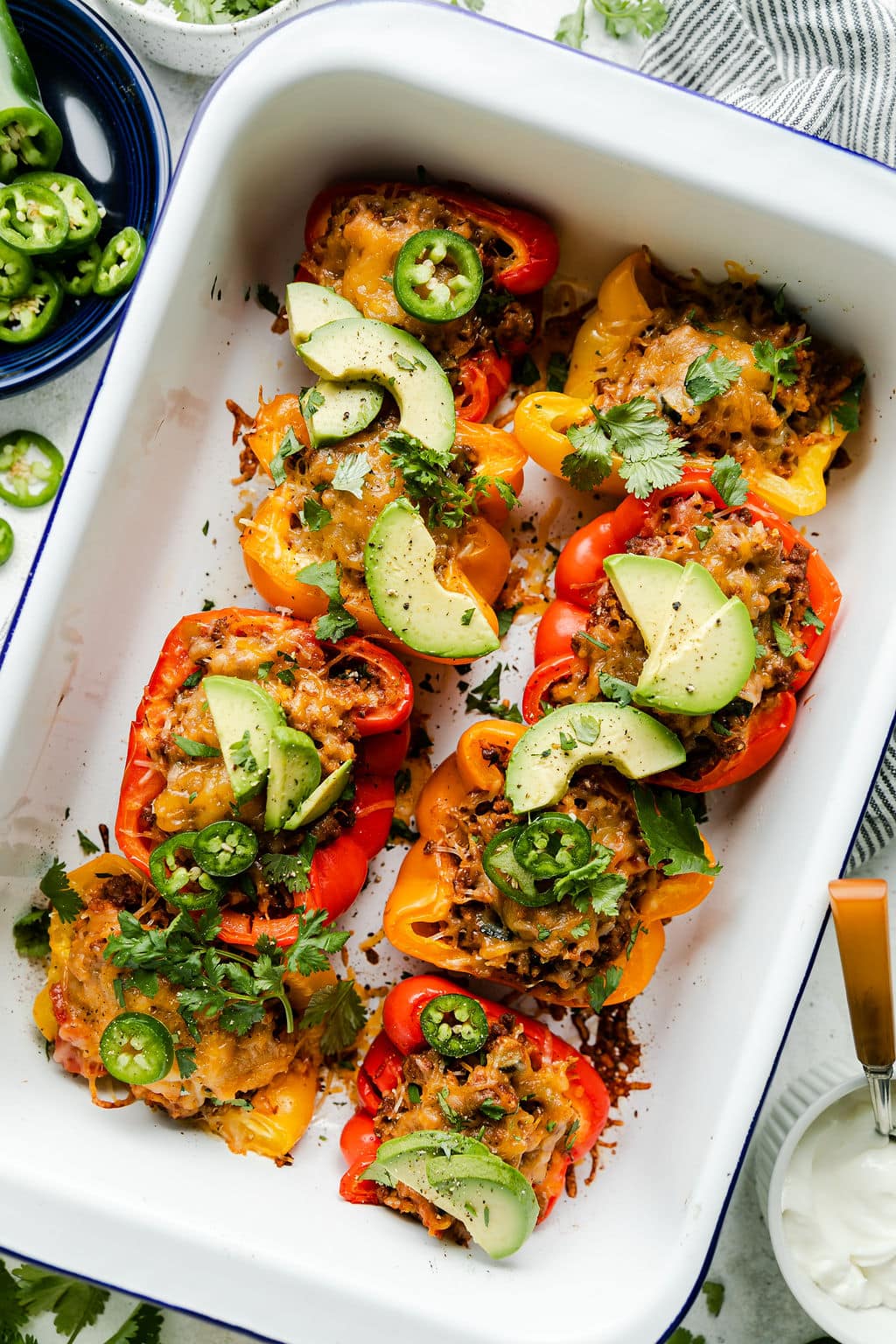
I love the crunch of bell peppers and the heat of spicy peppers. Sweet peppers pack more vitamin C than oranges. Vitamin C is an antioxidant with anti-inflammatory properties that helps reduce free radicals and inflammation.
Chili peppers do more than just add heat to meals. Like sweet peppers, they contain vitamin C and carotenoids, but they also have capsaicinoids, which add spice and antioxidants. Hot peppers also deliver flavonoids and quercetin. All of those compounds together help make spicy peppers inflammation fighters. I love combining both types of peppers in a ground beef stir fry topped with chili sauce.
Avocados
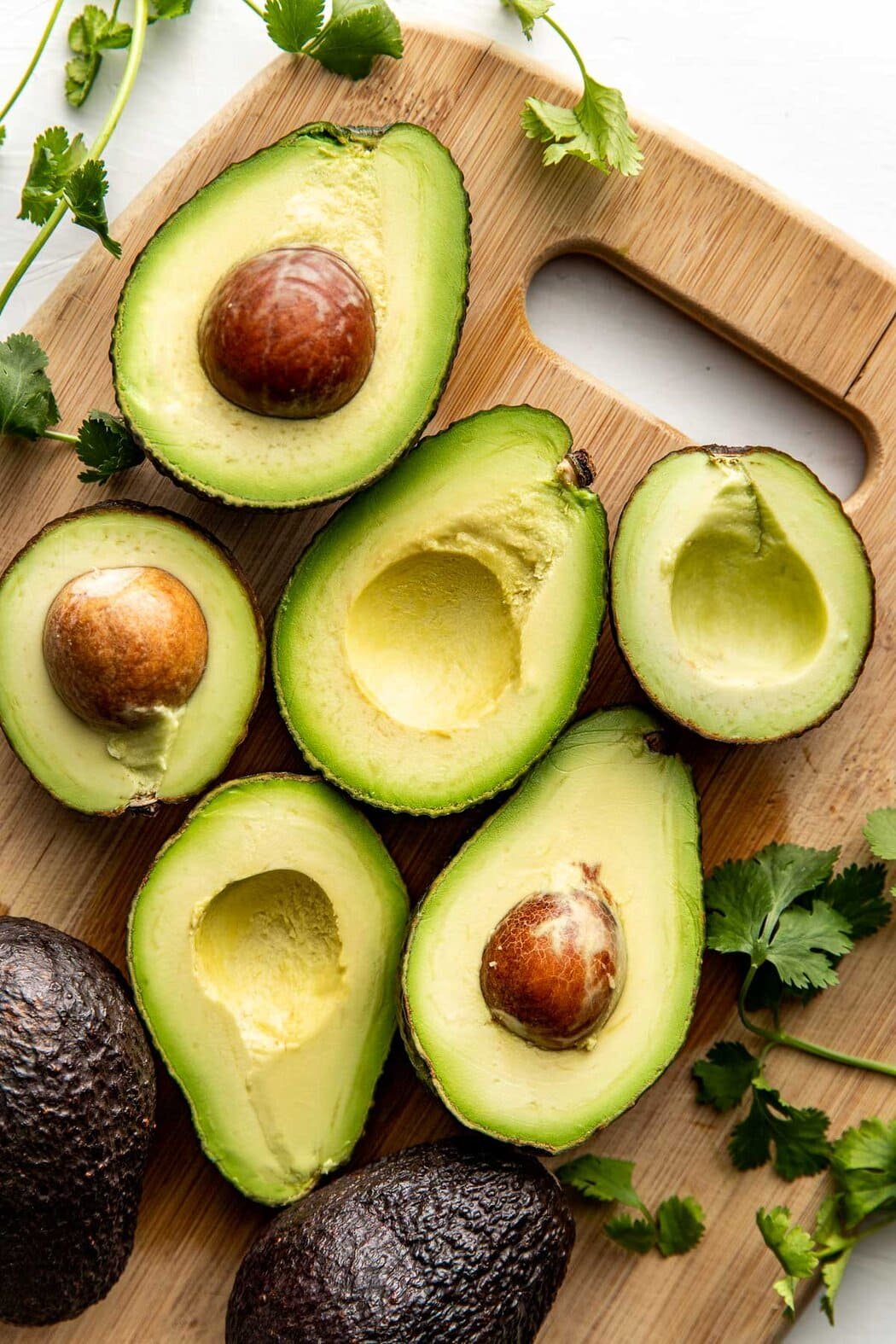
Even if avocados weren’t loaded with healthy fats, I would still eat them since they’re one of my favorite foods. And while high-fat diets are linked with inflammation, avocados are not. About three-quarters of the fat in avocados is unsaturated, a mix of poly- and monounsaturated fats, which are not associated with inflammation. They’re full of the types of good fats I want to eat more of for health.
A recent review of 962 studies on avocado consumption found that eating avocados helped reduce inflammation and may be particularly beneficial for inflammatory conditions. Other research has found that pairing a hamburger with an avocado lowered inflammation compared to eating a plain hamburger. In addition to healthy fats, avocados deliver carotenoids, polyphenols, and vitamins. I often add avocados to salads and sandwiches or make this delicious avocado salsa for a dip or to pair with grilled meats and fish.
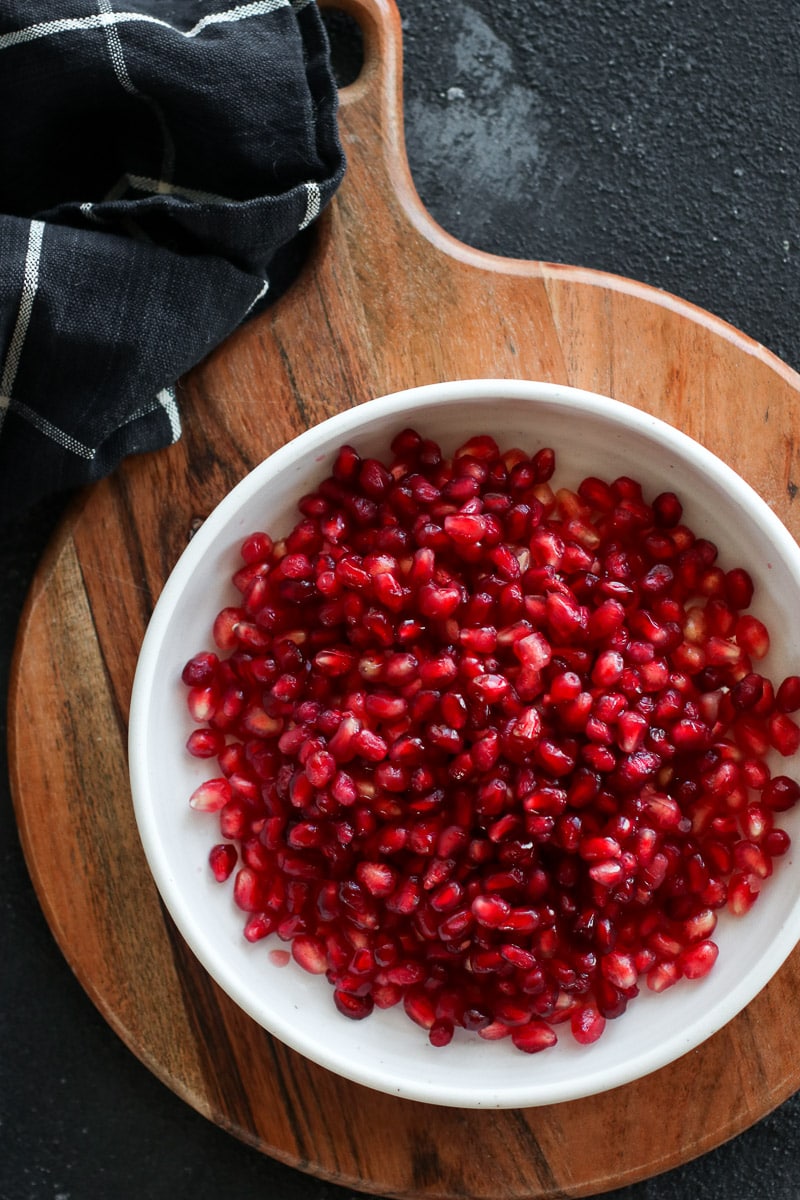
Pomegranates
Pomegranates have very impressive health benefits and are one of the top inflammation-fighting foods. Their main antioxidant is punicalagin, an ellagitannin found in the peel of the fruit. It reduces inflammation by altering signaling pathways in the body and lowering oxidative stress. Pomegranates may also improve diabetes and cardiovascular health. Eating pomegranates helps lower markers of inflammation, such as C-reactive protein, interleukin-6, and tumor necrosis factor.
Inflammageing (which is inflammation that increases with ageing) was reduced by the polyphenols in pomegranate extract. The extract helped lower inflammatory markers and blood pressure in older adults. More studies are needed to match those results with eating pomegranates, but they do contain the same polyphenols linked with healthy aging. I enjoy a pomegranate juice mocktail, mixed with seltzer and lime juice, and adding the arils to yogurt, oatmeal, or a honey goat cheese dip.
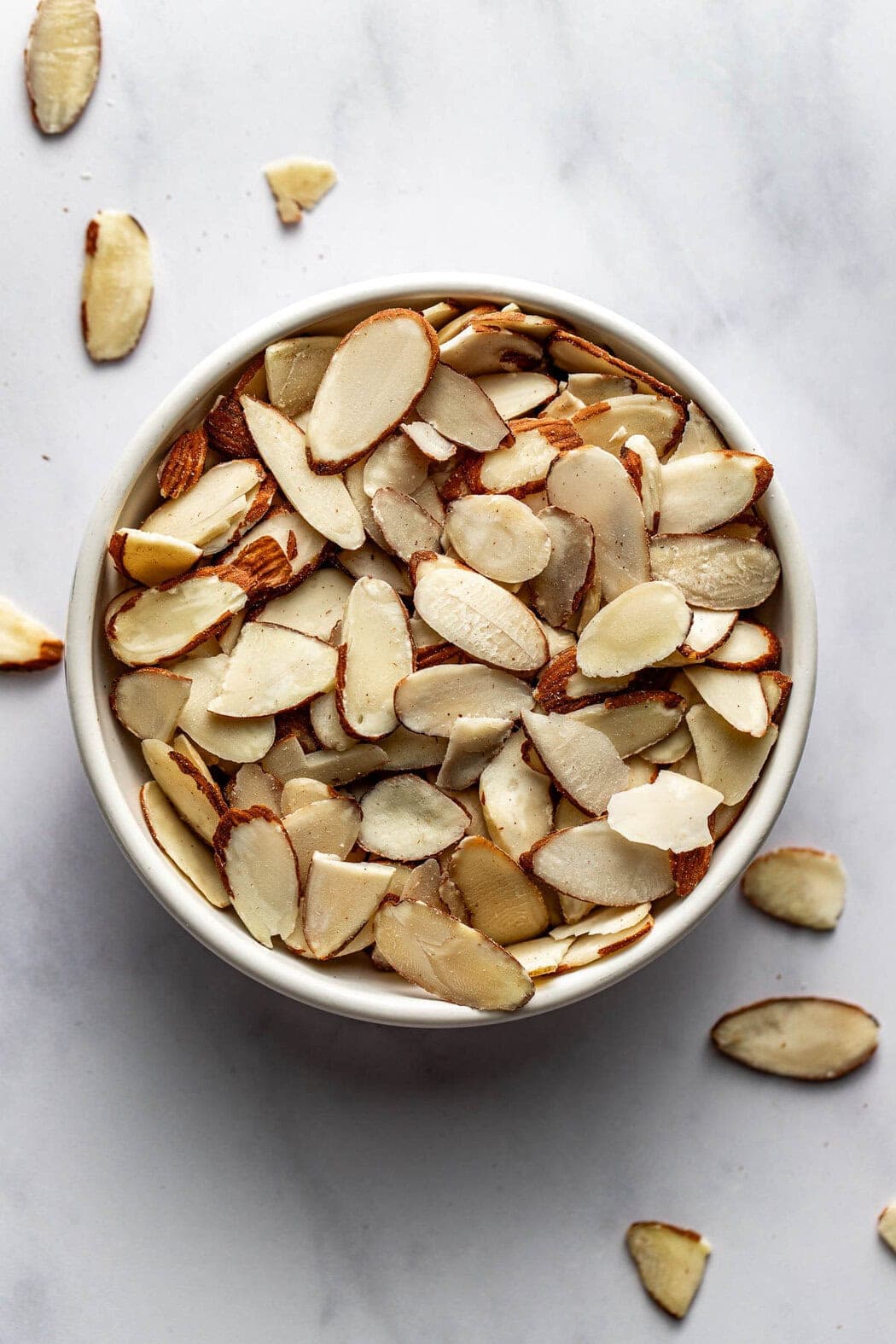
Nuts And Seeds
Another inflammation-fighting food that delivers fiber and healthy fats (and tastes good while doing it) are nuts and seeds. Oxidative stress can increase chronic inflammation and increase the risk of heart disease and diabetes. Nuts and seeds contain phytochemicals to reduce oxidative stress and inflammation. They’re rich in polyphenols, fiber, phytosterols, and minerals, like magnesium and selenium, that change immune pathways to suppress inflammation.
Each nut and seed has unique benefits. Walnuts are high in plant-based omega-3 fats. Pistachios have polyphenols that help reduce inflammation and support cognitive health. Almonds are a rich source of magnesium, which may limit proinflammatory gene expression. Chia seeds are another good source of inflammation-fighting antioxidants, fiber, and omega-3s.
I eat a variety of nuts and seeds to get a wide variety of nutrients. I love crunching on a handful of almonds, adding walnuts to yogurt, stirring up chia seed pudding, and making homemade trail mix with pistachios and dried fruit.
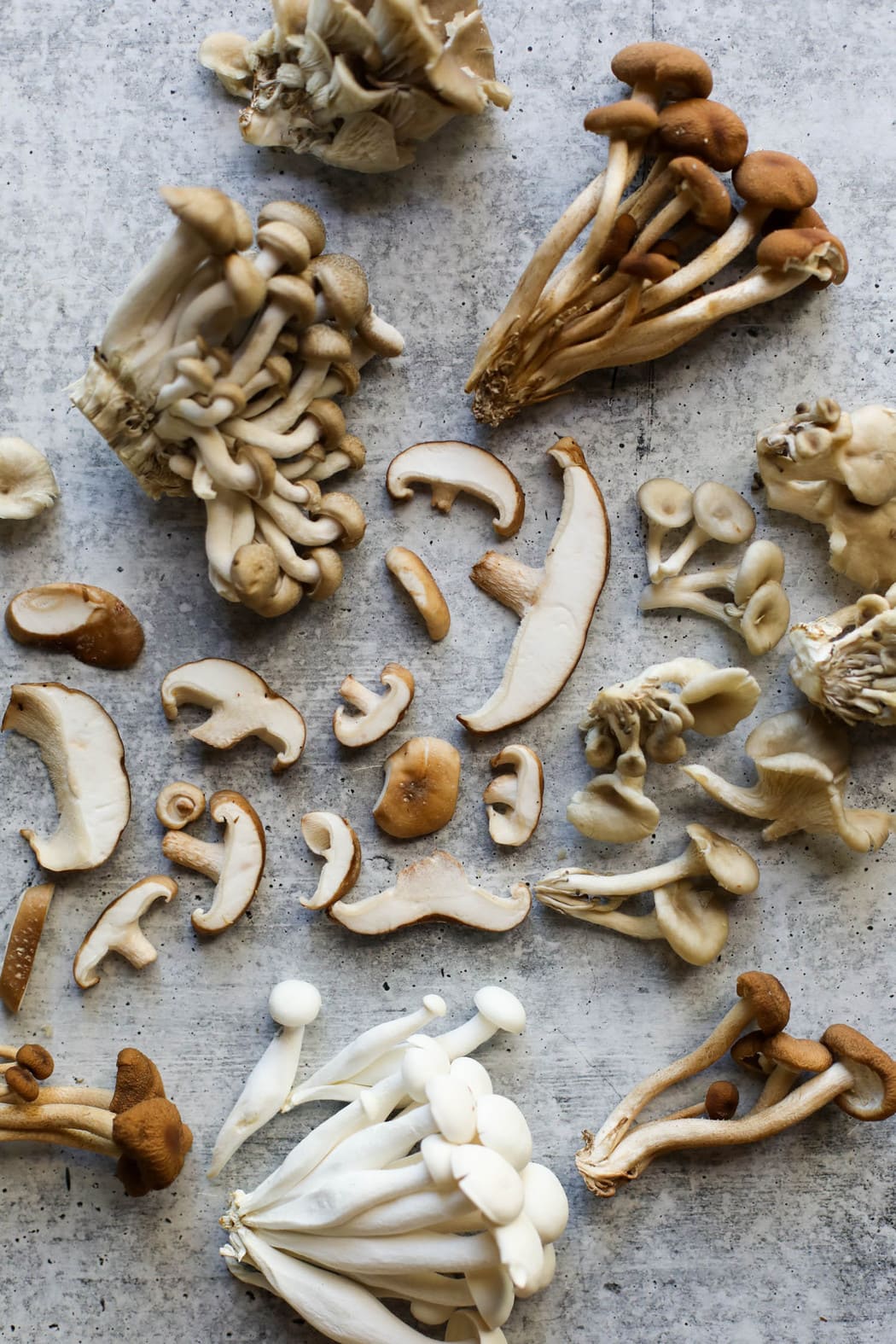
Mushrooms
Mushrooms make a wonderful plant-based stand-in for meat in gyros and enchiladas, and they add extra umami flavor and nutrients to meat sauce. They are versatile in the kitchen and great for health. Mushrooms are packed with polyphenols, terpenoids, ergosterols, and other plant compounds that have antioxidant and anti-inflammatory properties. One of their major active compounds are polysaccharides that lower inflammation. Terpenoids, also known as triterpenes, downregulate inflammatory pathways and help reduce inflammation.
Inflammation impacts the body, but it can also wear on the brain. Mushrooms may help protect against cognitive impairment by reducing inflammatory cytokines.
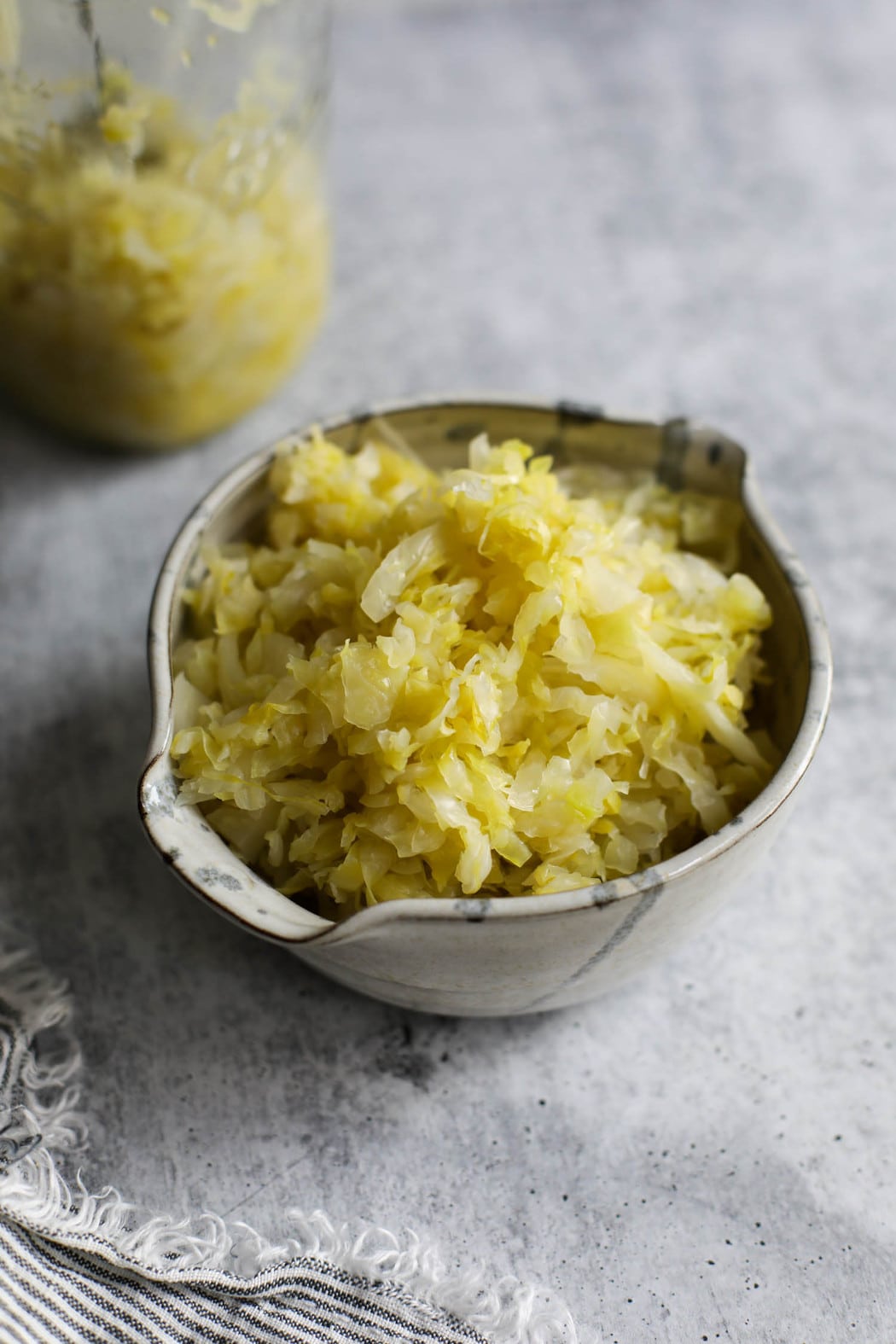
Certain Fermented Foods
A healthy gut is important for keeping levels of inflammation low since microbes in the gut play an anti-inflammatory role in the body. Other bacteria produce short-chain fatty acids to help inhibit inflammation.
Fermented foods contain probiotics that support the microbiome. Some also contain prebiotics, which feed the good gut bacteria. Kombucha, kimchi, sauerkraut, and tempeh all have anti-inflammatory effects. Though dairy is often said to be inflammatory, the research on fermented dairy proves otherwise. Kefir, a fermented drink that helps lower inflammation, is linked with weight management, improved cholesterol, and better blood sugar. Eating yogurt is associated with lower levels of chronic inflammation and two inflammatory markers, IL-6 and fibrin.
Some of the best fermented foods to include in an anti-inflammatory diet are:
- Kimchi
- Sauerkraut
- Kefir
- Yogurt
- Tempeh
Be mindful of added sugars in yogurts or kefir. And although beer and wine are fermented, they don’t fall into the same category when it comes to inflammation benefits, as alcohol can trigger chronic inflammation.

Dark Chocolate
As much as I enjoy fruits and vegetables, I’m extra happy that dark chocolate is high on the list of anti-inflammatory foods. Dark chocolate contains more cocoa than milk chocolate, and the cocoa is where the flavonoids are. Cocoa is rich in epicatechin, theobromine, and procyandins. These flavonoids help reduce oxidative stress and inflammation. And although I still watch my portion size and added sugar intake with chocolate, cocoa has even more flavonoids per serving than tea and apples.
Preliminary research on epicatechins in cocoa shows neuroprotective effects, benefits for reducing neuroinflammation, and improved learning and memory. So, twist my arm and break me off a square of dark chocolate. I also get my chocolate fix with peanut butter protein cups and by adding cocoa protein powder to smoothies.
Cherries
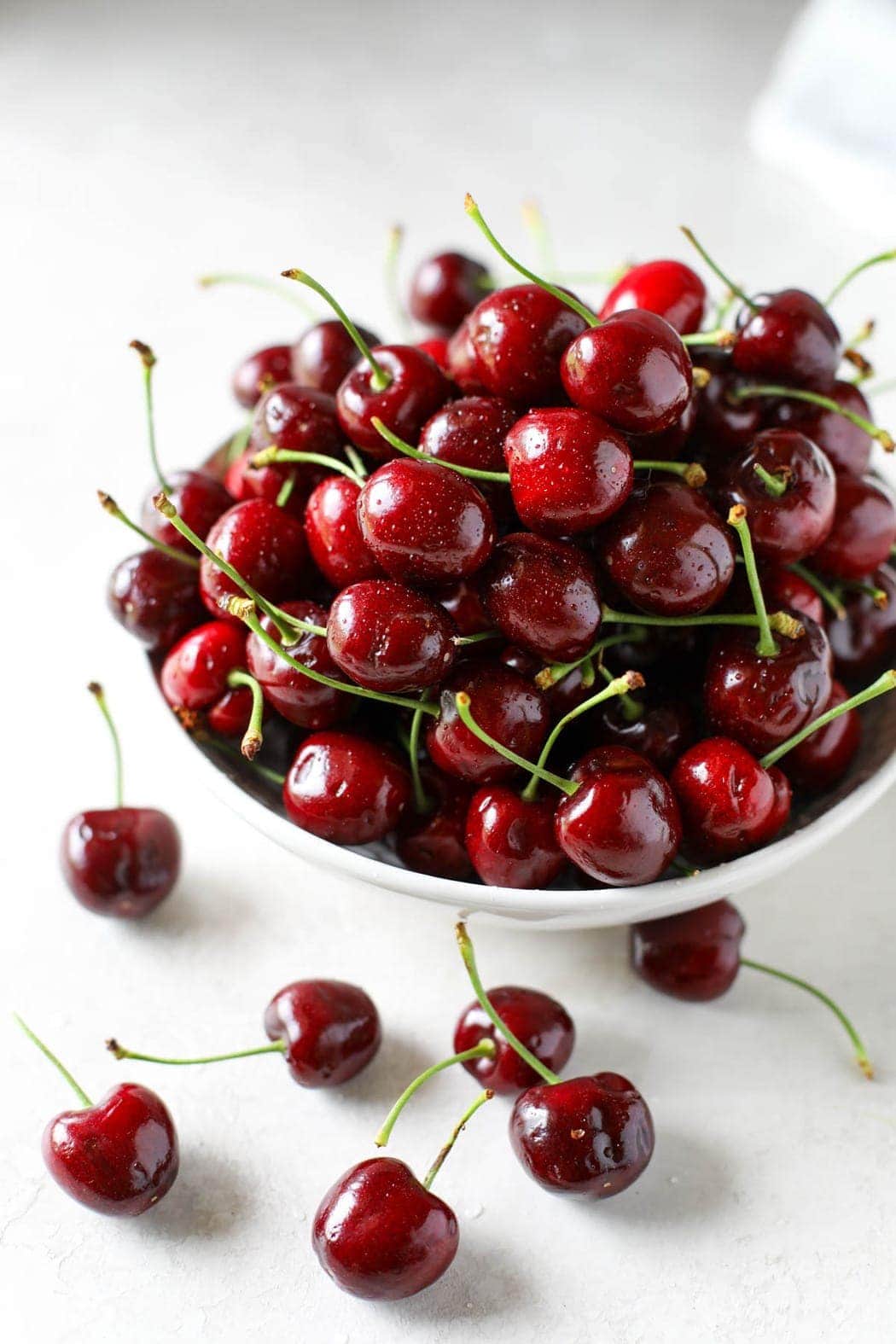
Cherries are one of my favorite fruits, and luckily for me, research supports the health benefits of eating them. There are sweet cherries and tart cherries, and they both have nutrients to help reduce inflammation. This stone fruit has fiber, vitamin C, polyphenols, and carotenoids. Both varieties are rich in anthocyanins, though sweet cherries slightly edge out tart (and tart cherries have an advantage in total polyphenol content). Eating cherries is linked with a lower risk of inflammatory diseases, including cancer, diabetes, arthritis, and cardiovascular disease.
I stock up on fresh sweet cherries when they’re in season, and keep my freezer stocked when I can’t get them fresh. Tart cherries are usually sold dried or as juice. It could even be beneficial to drink some tart cherry juice as an evening drink. While the juice doesn’t have the same levels of fiber, drinking tart cherry juice helped lower inflammation and oxidative stress markers over a 12-week study. Juice drinkers also had lower cholesterol and blood pressure.
Olive Oil
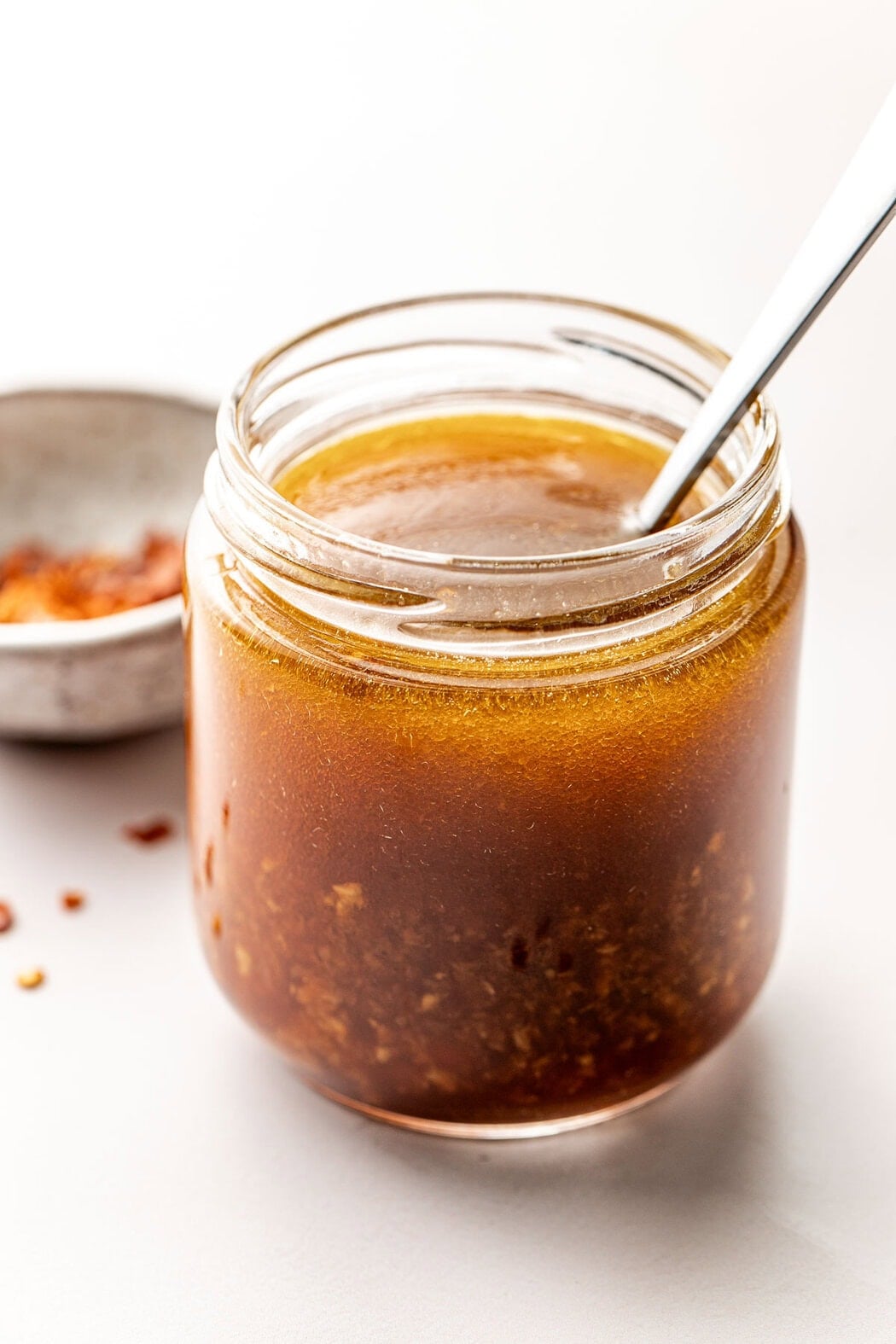
This heart-healthy cooking oil is high in polyphenols and antioxidants known for reducing inflammation. Olive oil may benefit people who have inflammatory diseases, such as those with inflammatory bowel disease, multiple sclerosis, and rheumatoid arthritis, because it can change the inflammatory profile in the body. It also has prebiotic effects, helping promote gut health and lower inflammation.
Extra-virgin olive oil is high in monounsaturated fatty acids and phenolic compounds, including oleocanthal and oleacein. Oleocanthal is like nature’s anti-inflammatory medication. It can reduce the activity of inflammatory pathways better than ibuprofen and also has anticancer properties.
I cook with olive oil often, and it’s my go-to oil for making homemade salad dressings. While shots of olive oil are trending, they’re a little too much for me and not required to get the anti-inflammatory benefits of olive oil.
Specific Herbs And Spices
So many of my favorite flavor boosters help lower inflammation, as well. Herbs and spices are often rich in flavonols and polyphenols.
- Ginger: This warming spice contains shoagols and gingerols, which have powerful antioxidant and anti-inflammatory properties.
- Garlic: One of my favorite additions to soups and stir fries (pretty much all recipes), garlic is rich in organosulfur compounds that help reduce inflammation.
- Turmeric: A very common spice used in Indian cooking, turmeric benefits come from the active compound curcumin. Curcumin has been shown to decrease pro-inflammatory pathways and reduce oxidative stress. It may also help reduce the inflammatory response for conditions like arthritis, psoriasis, and IBD.
- Cinnamon: Sprinkled on oatmeal or baked up with apples and sweet potatoes, the rich flavor of cinnamon is hard to beat. The spice contains cinnamic acid, kaempferol, and cinnamaldehyde, which are bioactive compounds that offer heart, brain, and anti-inflammatory benefits.
Green Tea
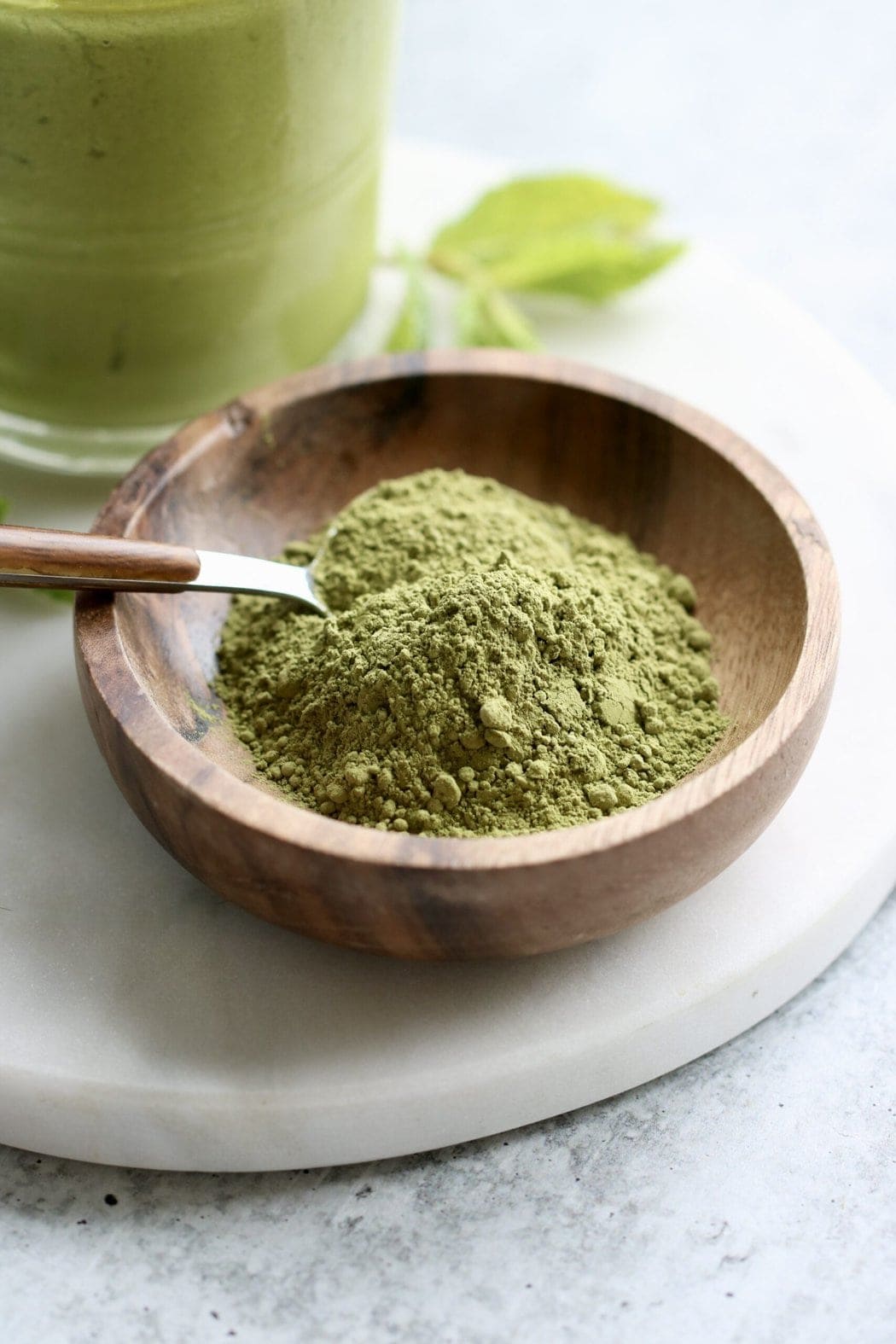
I drink matcha tea a few times each week, and this cup of green tea gives me steady energy and provides my body with plenty of inflammation-fighting compounds. The reason? Green tea is rich in epicallocatechin-3-gallate (EGCG), a polyphenol found in high levels in green tea and even higher levels in matcha. There are about 200-300 mg of EGCG in one cup of brewed green tea. EGCG can bind to receptors and alter pathways to help reduce inflammation. The compounds in green tea have also been shown to have anti-tumor effects and help reduce neuroinflammation.
Some of the benefits of EGCG and green tea have been studied using extracts and supplements, so there isn’t an exact amount to drink to see benefits. Drinking 1-3 cups daily helped improve heart health, although bigger benefits were seen for those who drank more than 4 cups. There is a benefit to drinking more, but knowing that matcha has a bit more antioxidant power, I feel good about getting one cup daily, along with other anti-inflammatory foods.
Inflammatory Foods To Avoid
I’ve covered a lot about the foods to eat more of in order to fend off inflammation. But there are also some foods that should be limited or avoided to help ward off inflammation.
Luckily, most of the foods on this list aren’t packed with health benefits to begin with, so while I might indulge occasionally, they don’t make up a bulk of my diet. Eating lots of ultra-processed foods is associated with low-grade inflammation in the body. Researchers think it’s because they are high in added sugar, salt, and poor-quality fats, and are displacing nutrient-dense foods in the diet.
Here’s a list of foods to limit that contain pro-inflammatory compounds:
- Ultra-processed foods
- Processed meats, including sausages and hot dogs
- Alcohol
- Sugar-sweetened beverages
- Foods with trans fats
- Foods high in saturated fats
- Foods high in sodium
- Refined grains, including white bread
- Foods with added sugars, including candy and baked goods
- Fried foods, including french fries
- Red meat
Following An Anti-Inflammatory Diet
An anti-inflammatory diet pattern can look different, although the bones of healthy eating are the same. Focus on getting whole foods, including:
- Fruits
- Vegetables
- Whole grains and other healthy carbohydrates
- Lean proteins
- Beans, lentils, and legumes
- Healthy fats
Just because an anti-inflammatory eating pattern includes lots of whole foods, that doesn’t mean every meal needs to be from scratch and homemade. I’m pretty picky about the packaged foods I eat, and look for ones made with less added sugar, less sodium, and little saturated fat. I also meal prep many of my meals and rely on RFD recipes that are quick and balanced for busy weeknights.
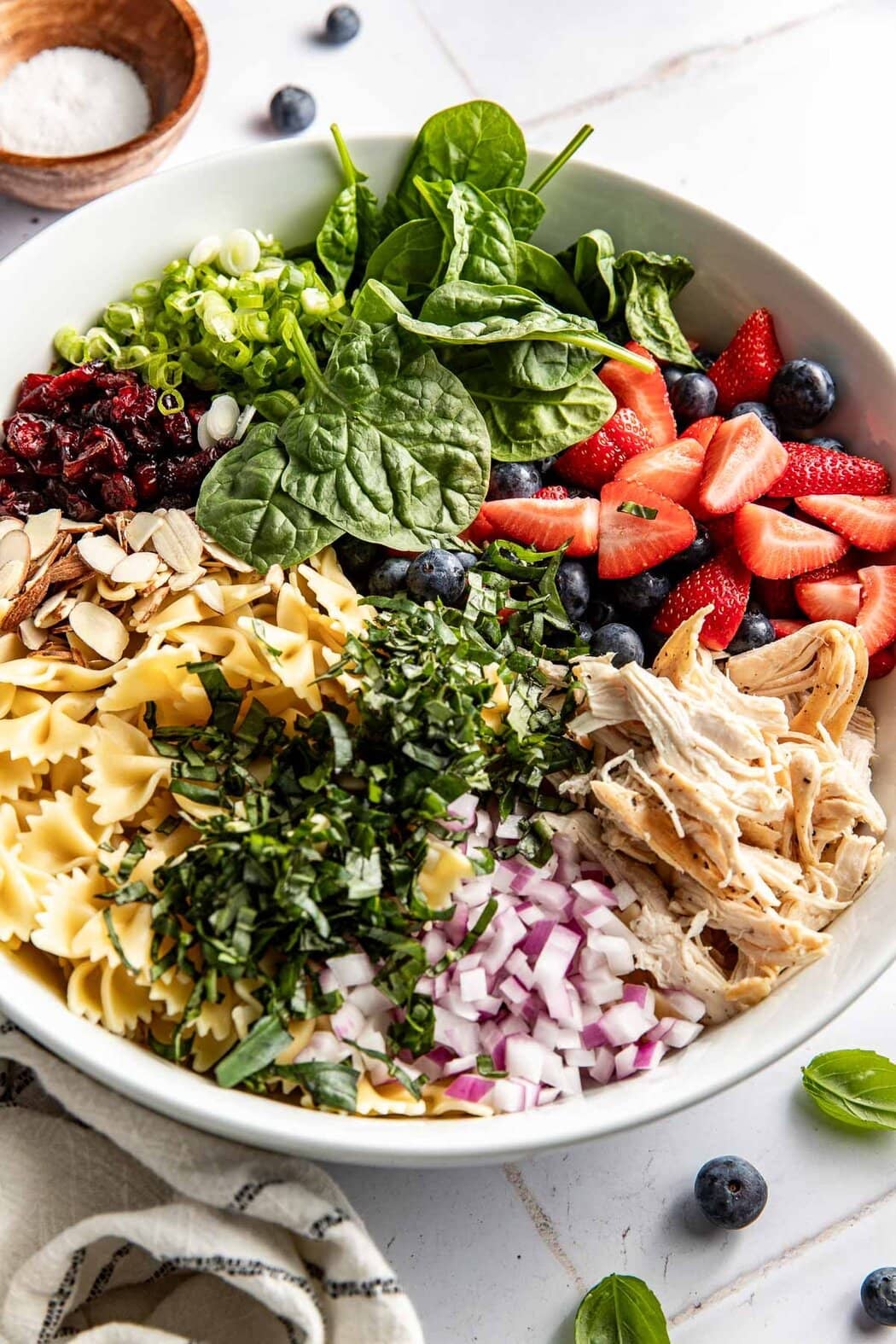
Focusing on a colorful plate (the compounds that add color are antioxidants) can be a helpful place to start. For a more structured approach, the Mediterranean diet and traditional Okinawan, Nordic, and Mexican diets are considered anti-inflammatory diets. Anti-inflammatory diets are not that different from what I think of as a generally healthy diet.
Frequently Asked Questions
Chronic inflammation is slow-burning and long-term. It can be hard to identify every signal and sign. Common symptoms include body pain, fatigue, weight gain or quick weight loss, GI complications, and mood disorders.
Foods to include more of on an anti-inflammatory diet have been well researched for their health benefits, and include vegetables, fruits, fermented foods, and healthy fats. Some dietary patterns, like the Mediterranean Diet, have also been linked with lower levels of inflammation.
Many conditions and diseases that cause chronic pain stem from inflammation, such as rheumatoid arthritis and fibromyalgia. Anti-inflammatory diets help alleviate pain by altering the gut bacteria, reducing inflammation, and improving stress and sleep.

For ultimate success, we highly recommend reading the tips in the full blog post above. All photos and content are copyright protected. Please do not use our photos without prior written permission. If you wish to republish a recipe, please rewrite the recipe in your own unique words. Link back to the source recipe here on The Real Food Dietitians. Thank you!