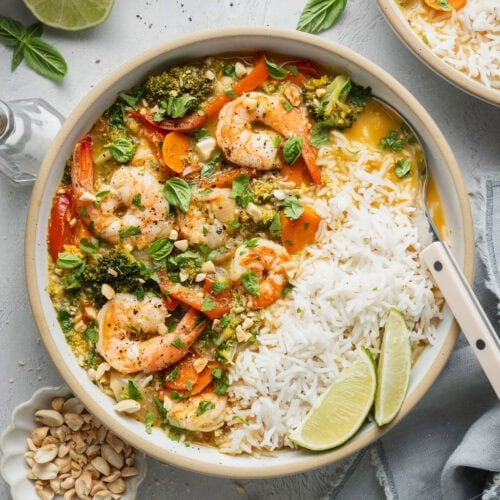
As a registered dietitian and a Mom, I know there are foods that work well at helping me and my family stay healthy year round and especially through the winter. And whenever I start to hear a few sniffles and coughs from my kids, it’s a signal for me to start paying closer attention to how I can support everyone’s immune system.
In addition to washing hands regularly and getting my flu shot, I know that diet plays a role in my immunity. And even though the foods I eat won’t stop all the germs from making their way into my body, I focus on them often in order to help prevent illness.
I dug into the latest research on foods and nutrients that help support immunity and, luckily, this list is full of some of my favorite foods. It was a good reminder to serve these regularly to my family during the cold and flu season. And also a good reason to have these foods on hand at all times to continue to support healthy immune systems.
The Best Foods To Boost Immunity
Eating a variety of nutrients is key for immune health. That means choosing fruits and vegetables, proteins, healthy fats, fermented foods and even herbs and spices to help me check all the boxes. I love so many of the foods on this list anyway. And while they help keep my immune system revved, they each provide a variety of different health benefits. Many vitamins, including vitamin C and D, and minerals, like zinc and iron, have been shown to have immune benefits. Protein, healthy fats, and staying hydrated are also key. Each category of immune-boosting foods has specific benefits, so I try to eat some of each every day.
Fruits And Vegetables
I grew up hearing about how a glass of orange juice was a great choice for fighting off a cold, but didn’t realize that so many other fruits and vegetables help provide the right nutrients for immunity, too. Vitamin C may reduce the chances of catching a cold for people who exercise a lot, are exposed to cold temperatures, and have lower vitamin C stores. And some research shows it can help shorten the length of a cold, but results are mixed. It may also help the body produce more white blood cells, which help fend off infections.

Many different fruits and vegetables are high in vitamin C, including broccoli, strawberries, and tomatoes. Produce is also rich in antioxidants, vitamin A, and fiber which help support immune health. I love snacking on carrots, apples, kiwi, and other fruits and vegetables and also do my best to have some at every meal.
- Citrus fruits: Oranges, lemons, limes, and grapefruits are all good sources of vitamin C and folate. Their nutrients and antioxidants help reduce inflammation. I find myself squeezing lemon in my tea and over roasted chicken, snacking on grapefruits and clementines, and using orange juice in recipes, like this easy orange pork stir-fry.
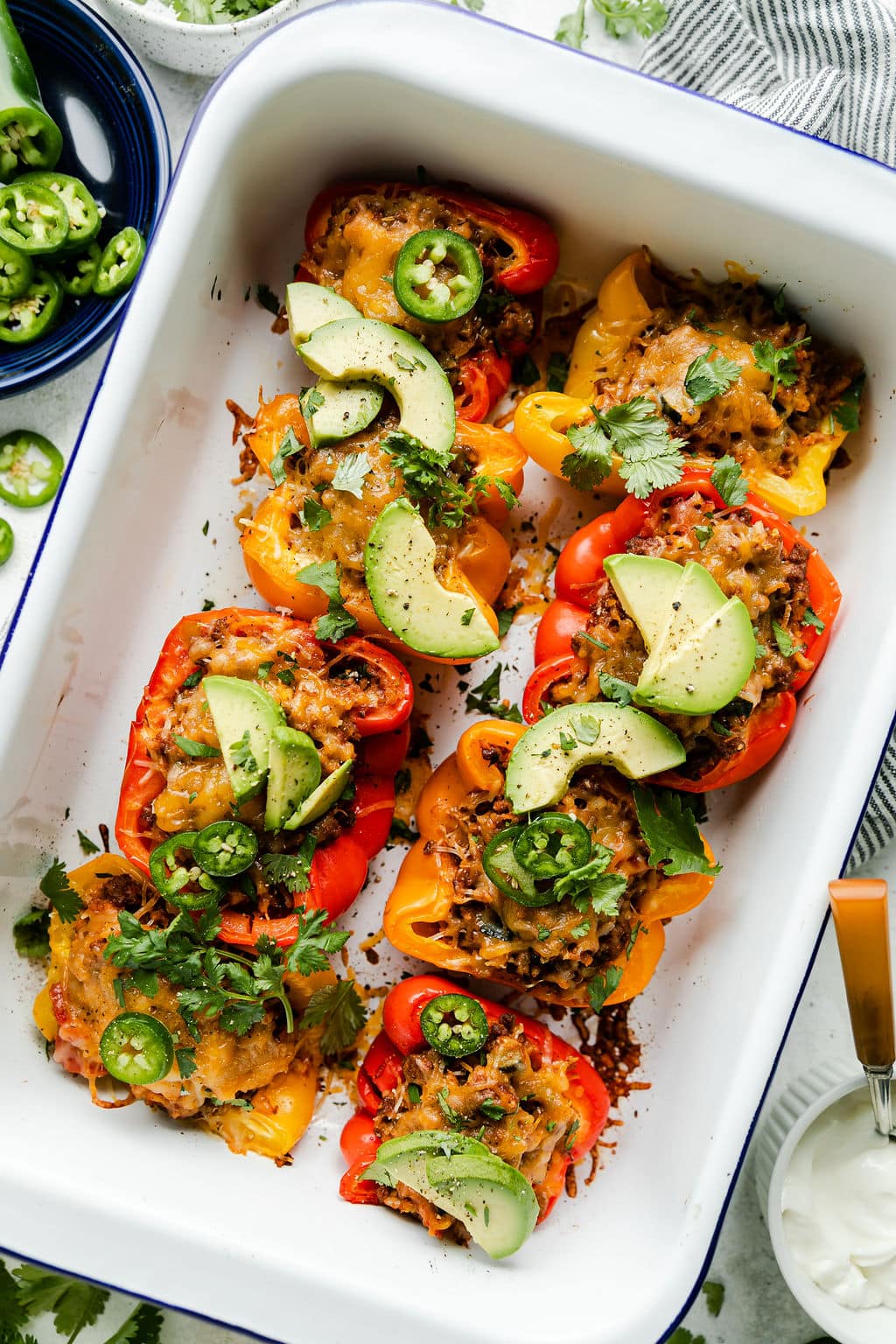
- Bell peppers: Citrus gets all the vitamin C love, but bell peppers actually edge out the competition. A ½ cup of red pepper slices has over 100 percent of the daily value for vitamin C. I snack on peppers with hummus, add them to sheet-pan dinners and make stuffed peppers for a hearty dinner.
- Leafy greens: Greens are one of the most nutritious foods I eat. Spinach, kale, and swiss chard are loaded with vitamin C, fiber, and antioxidants. Dark leafy greens also contain beta-carotene, which is converted to vitamin A in the body and plays a key role in the immune system. Greens can also help reduce chronic inflammation in the body to help keep the immune system running well. I’ll whip up a green smoothie for breakfast or a snack and frequently make kale Caesar salad as a side for family dinners.
- Berries: Although sick season is directly opposite berry season, I still do my best to get berries in during cooler months. Berries are rich in vitamin C, antioxidants, polyphenols, and fiber. These nutrients may help improve gut health, reduce inflammation and help the body eliminate pathogens. I look for fresh when they’re available, but also keep my freezer stocked with blueberries, raspberries, strawberries, and blackberries for smoothies, yogurt bowls, muffins, and oatmeal.
Protein-Rich Foods
Knowing how good protein is for my muscles, bones, satiety, and hormone health, I make a conscious effort to eat enough protein daily. But even though protein is the hottest nutrient around, I rarely hear about how it can help immune function. Protein helps by decreasing pro-inflammatory compounds and activating cells in the immune system that help fight off infections. I focus on eating a variety of protein-rich foods, including chicken, turkey, beef, eggs, fish, and beans, throughout the day.

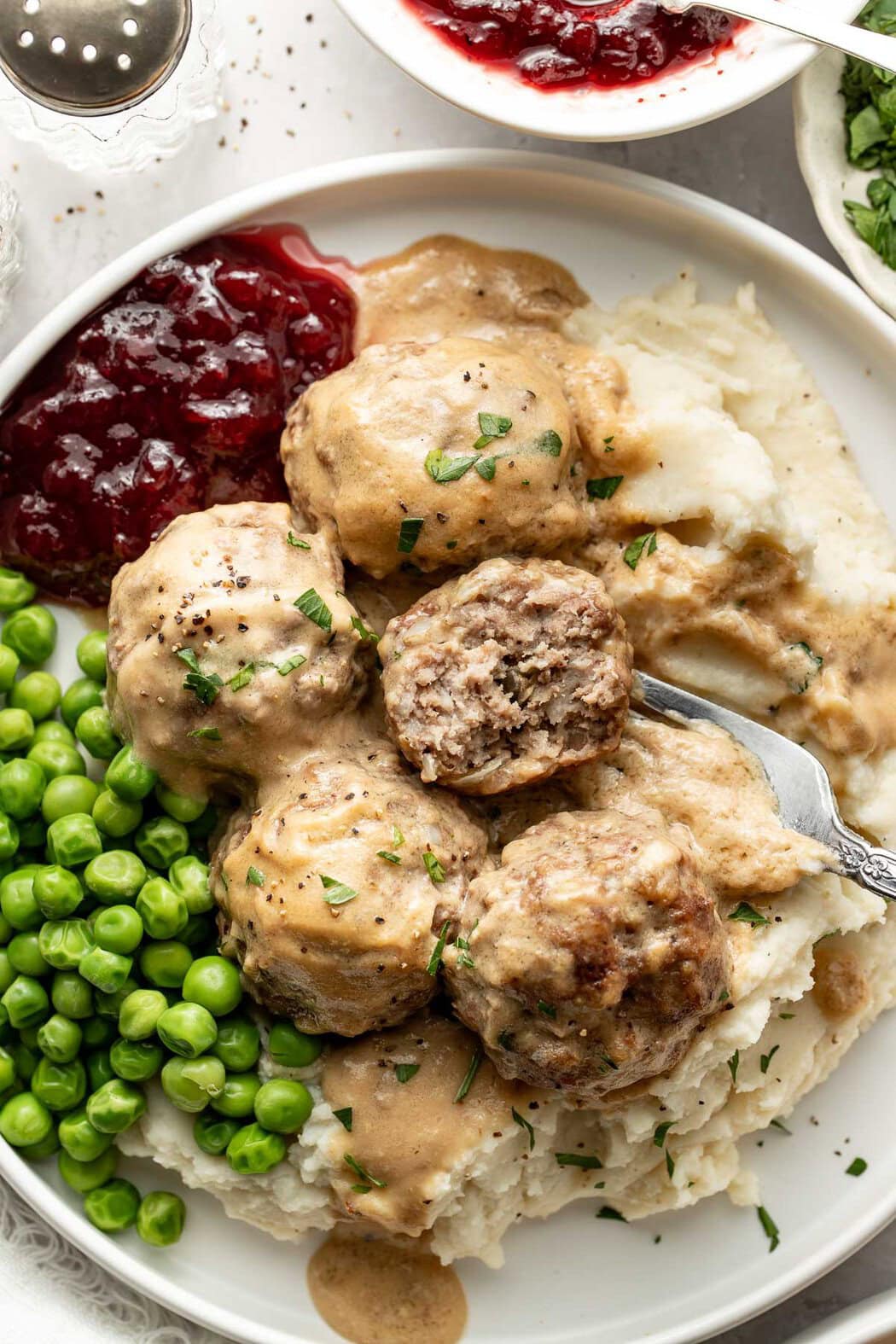
While I also lean on protein powder from time to time, getting protein from whole food sources also means I get other important nutrients. Zinc is a mineral that may shorten how long cold and flu symptoms linger. It’s found in protein foods like meat, seafood, dairy, and beans. Vitamin B6 (which is found in proteins like beans, poultry, beef, and fish) supports the production of lymphocytes and interleukin-2 and that helps my immune system fend off infections.
Though vitamin D can be tough to get from foods alone, it’s found in protein-rich salmon, tuna, and sardines. A vitamin D deficiency is tied to more infections and diseases, and vitamin D also helps regulate the immune system. While not all proteins contain omega-3 fatty acids, lots of seafood choices do. Omega-3s are unsaturated fats that help keep my immune cells healthy and reduce inflammation.
It’s not hard for me to reach for protein foods. I’ll enjoy a plate of Greek chicken or sheet pan salmon on busy nights, or add a scoop creamy black beans to tacos and salads.
Nuts And Seeds
Nuts and seeds come in a small package but are highly nutritious. I love them for their healthy fats and fiber, but they also contain vitamin E, zinc, and antioxidants to help keep me healthy during sick season.
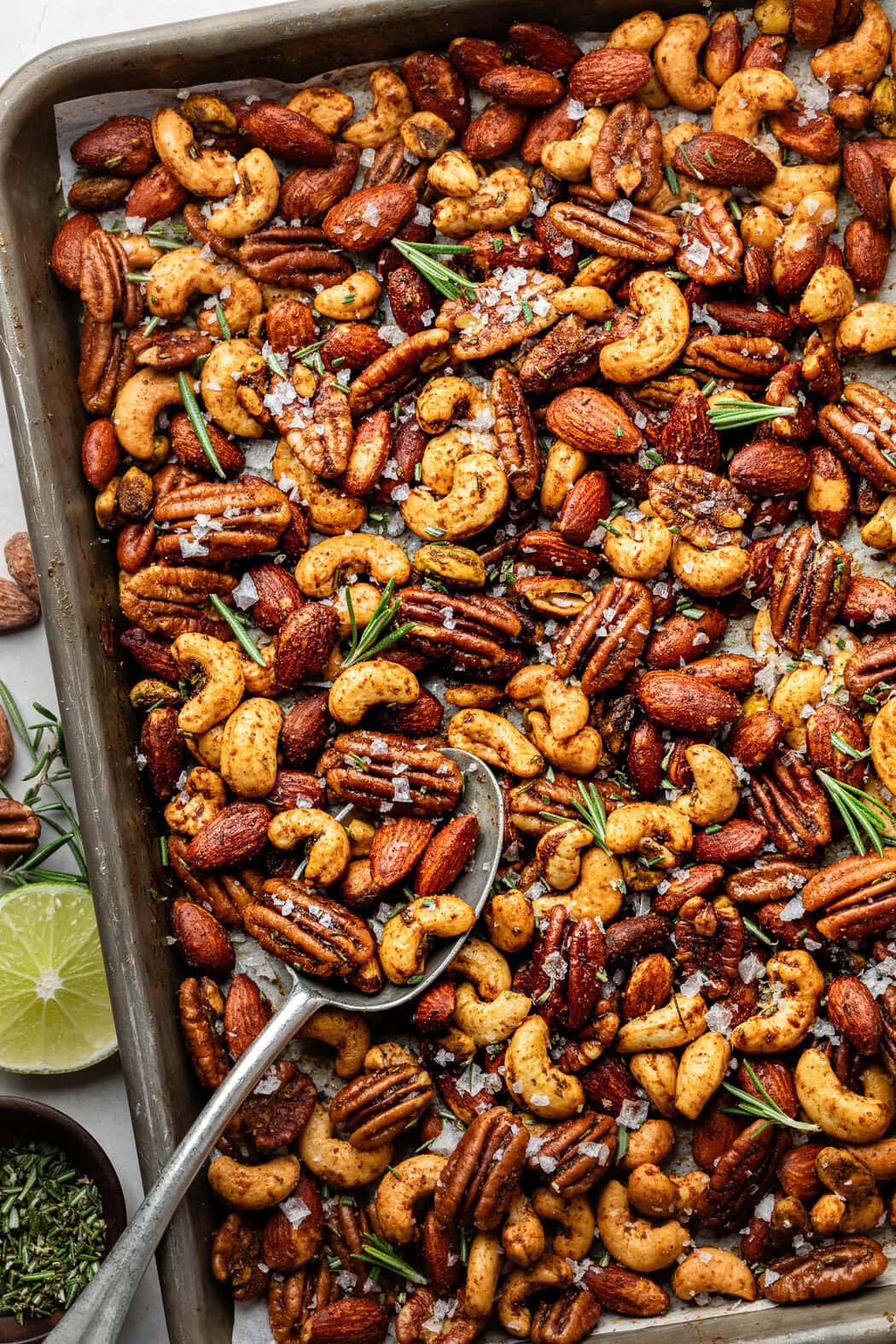

Vitamin E enhances the way the immune system functions and reduces the risk of infection by impacting T cells and reducing chronic inflammation. The antioxidants and healthy fats in nuts help have anti-inflammatory properties and help reduce oxidative stress. Researchers think those two mechanisms are what make nuts an immune-boosting food.
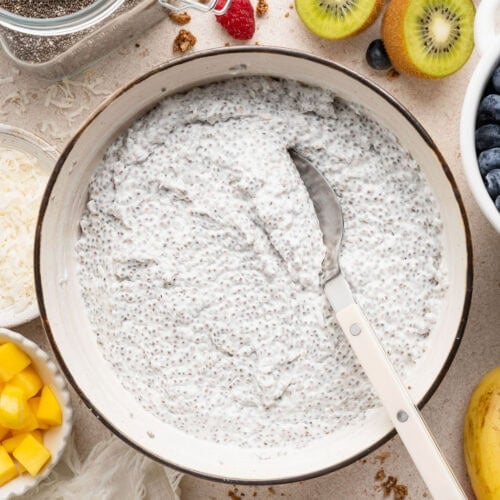
It’s easy for me to snack on pistachios and sunflower seeds, top oatmeal with walnuts, add chia seeds to yogurt bowls, and bake with almond flour to get some of the benefits.
Yogurt And Fermented Foods
With 70-80 percent of immune cells living inside the gut microbiome, the gut is a key part of the immune system. That’s why fermented foods (which feed the microbiome) are some of my top choices for keeping stuffy noses and sore throats at bay.
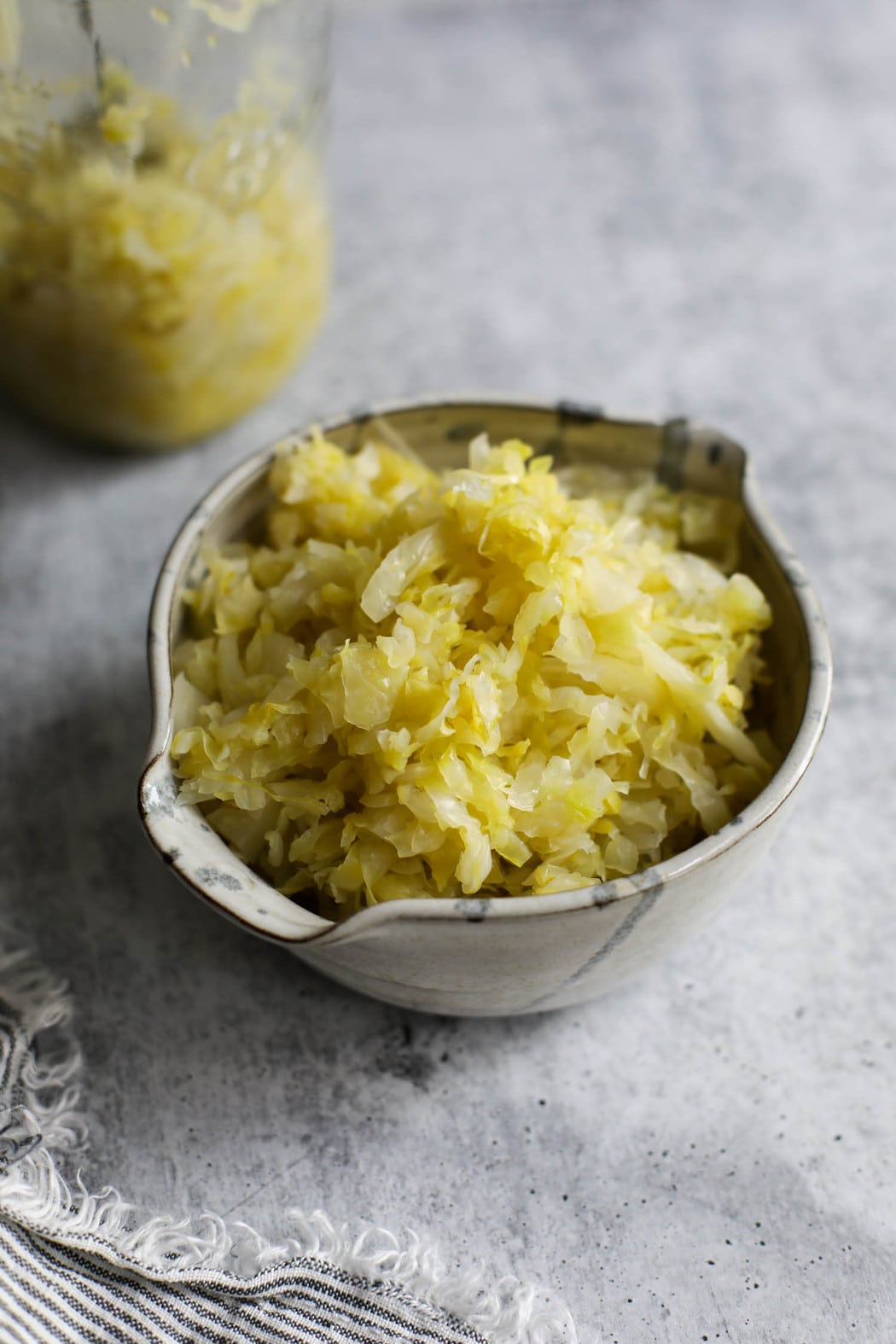
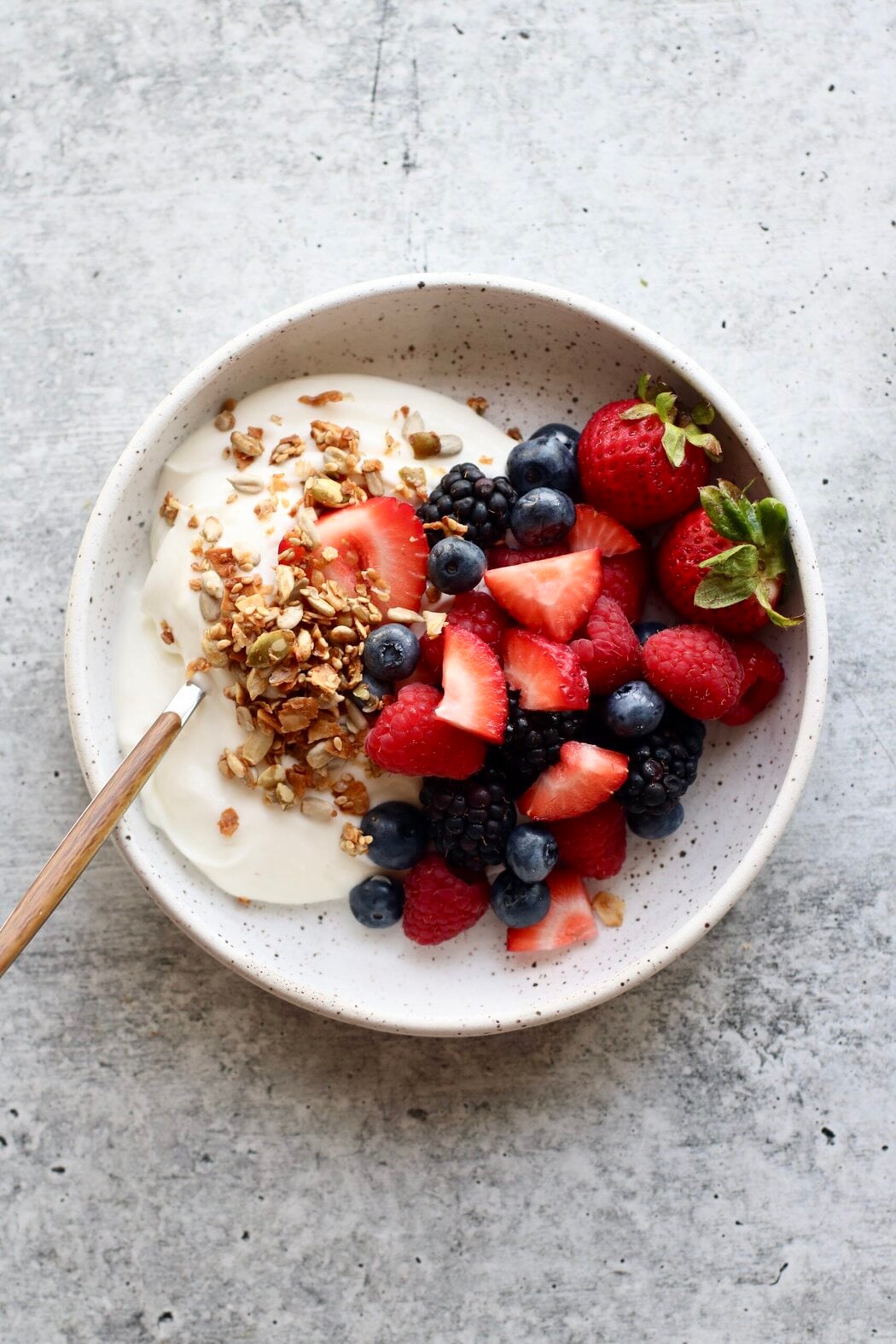
Eating fermented foods like yogurt, kefir, and sauerkraut gives my body more probiotics, or “good” bugs for my microbiome. One study found that probiotics helped reduce the likelihood of an upper respiratory infection. Other research has shown eating fermented foods helps increase diversity of gut bacteria and lower inflammation.
I do my best to eat a variety of fermented foods to support my gut health and immune system. I enjoy kefir smoothies, yogurt parfaits, and make frozen yogurt peanut butter cups for a sweet treat packed with nutrition.
Herbs, Spices, And Aromatics
It’s easy to forget that small things can have a big impact. Even though herbs, spices, and aromatics, like garlic and ginger, are often just a finishing touch on a recipe, these tiny additions have lots of benefits.
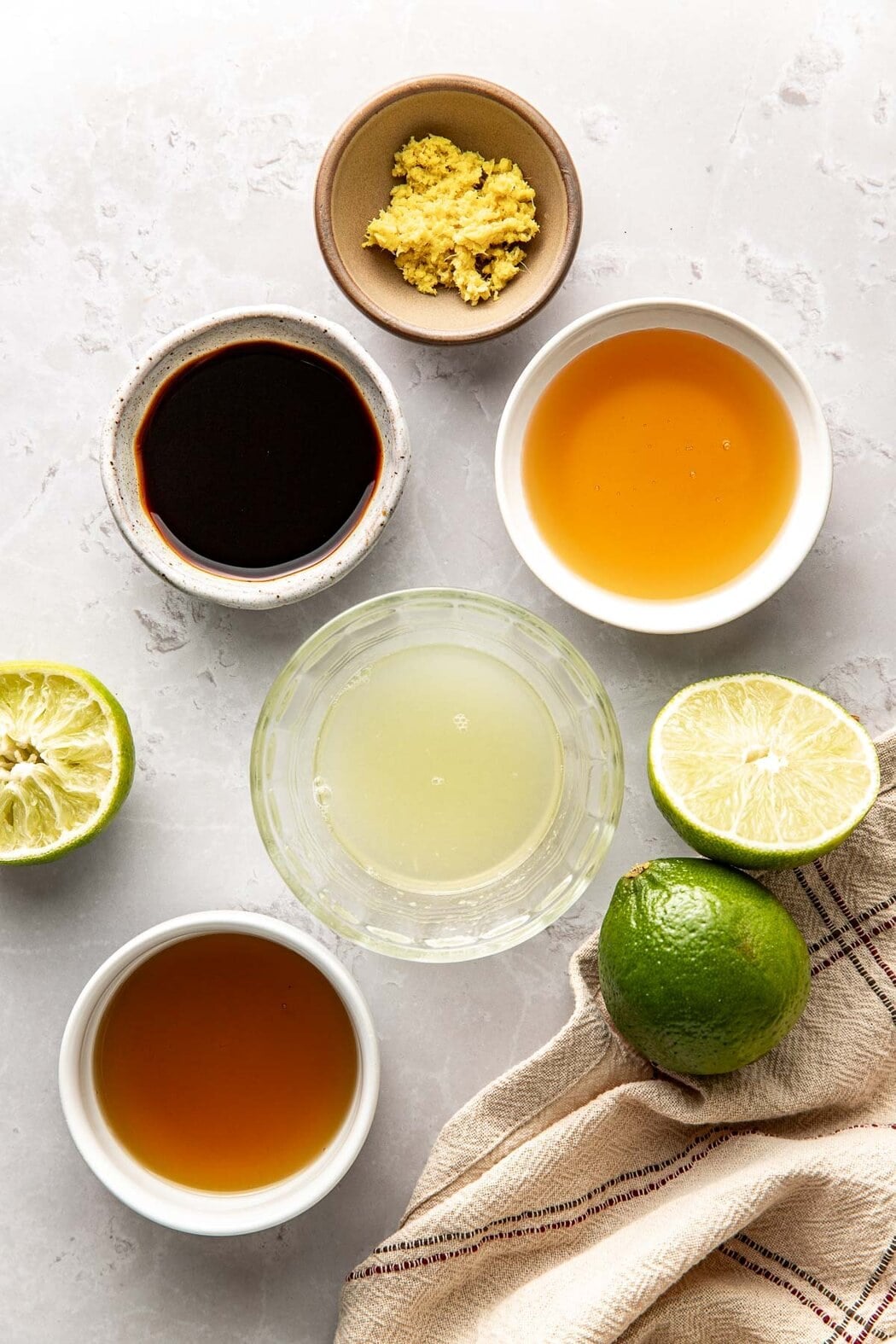

Besides adding lots of flavor to my meals, they contain plant compounds that help reduce inflammation. Herbs and spices have long been a part of traditional and alternative medicine to help heal. Though some herbal remedies don’t have science to back them up, there is some research to support herbs and spices, such as basil, rosemary, sage, thyme, spearmint, cinnamon, and cloves, having antibacterial and antiviral properties. I use them regularly for the delightful taste and potential to help me fend off illnesses with more oomph. I also turn to ginger, garlic, and turmeric during sick season.
- Ginger: For any illness where my stomach feels off, I turn to ginger. Ginger may help with nausea and vomiting. I stick to real ginger not store-bought ginger ale, which typically doesn’t contain much actual ginger. It is also loaded with gingerols, shogaols, and other antioxidants that help lower inflammation. Sipping a cup of hot ginger tea with lemon and honey is one of my favorite beverages in the winter.
- Garlic: Garlic is one of my favorite flavor agents, so I’m often dicing it up for a number of savory dishes. It’s just a bonus that it contains allicin, which may help boost the immune system as it fights off infections.
- Turmeric: The active compound in turmeric is curcumin. Curcumin can work with cells in the immune system, like B cells, T cells and macrophages, to help improve their response to infections. While some research on curcumin looks at supplements, it can’t hurt to add some of the spice to my diet. I’ve been loving it in this skillet tikka masala.
Easy Ways To Eat More Immune-Supporting Foods
While focusing on specific immune-boosting foods and nutrients is important, there are no superfoods that stop me from ever getting sick. I aim for an overall healthy diet that’s rich in whole foods and variety. This gives my body the vitamins and minerals it needs to fight infections and common colds during sick season.
It doesn’t have to be complicated. I tend to crave comfort foods, but to support my immune system I make sure to enjoy soups packed with veggies and protein, and breakfasts that start my day off with fruit, fiber, and probiotics.

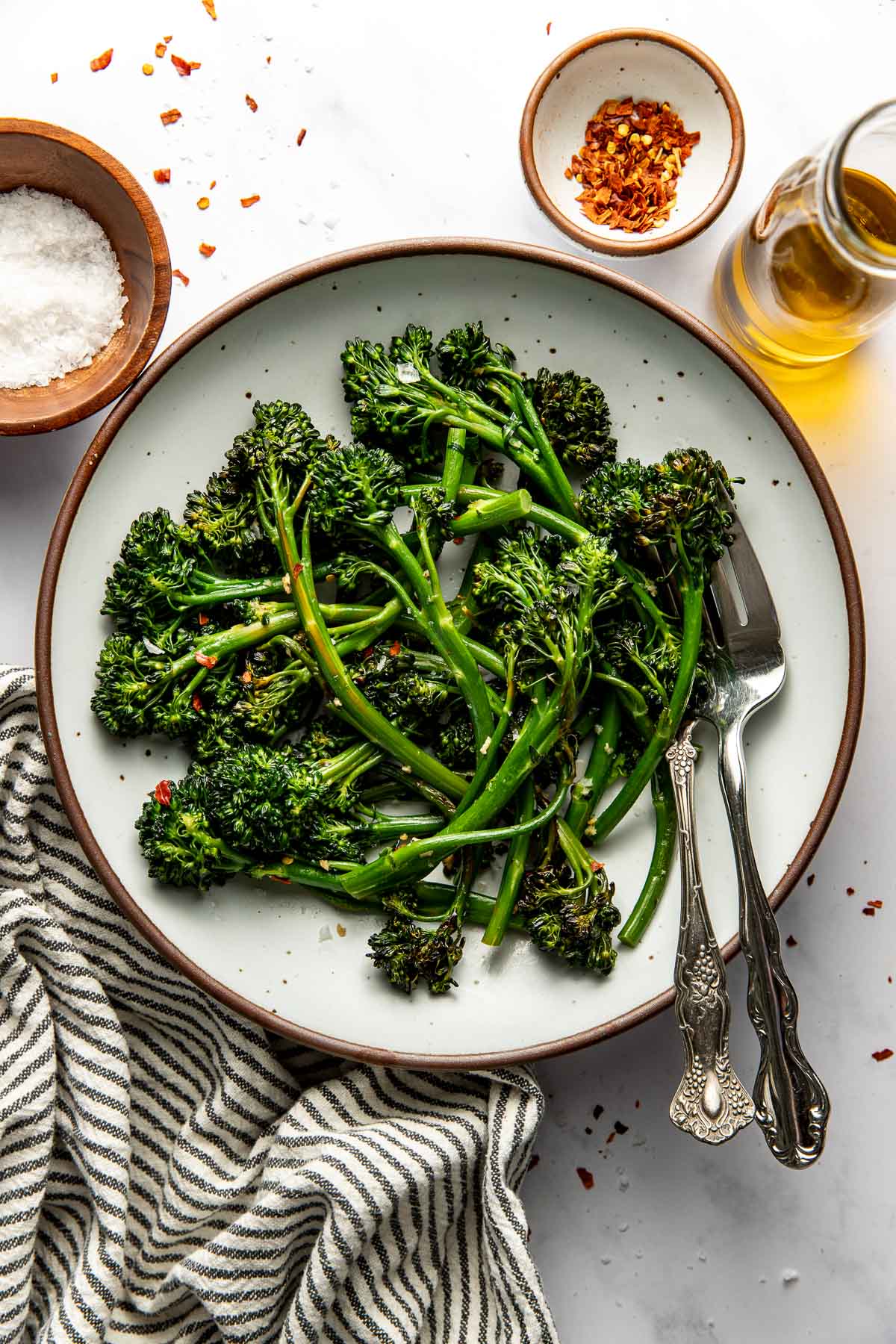
I’ll snack on tangerines for a vitamin C boost and reach for nuts for healthy fats and vitamin E. And I’ll roast butternut squash, sweet potatoes, and broccoli as a fiber-rich food to serve alongside salmon for dinner. To up my produce intake, I add extra mushrooms, peppers, and peas to pasta. Or I’ll blend a smoothie as an easy way to up my fruits and vegetables quickly. And I may add a little more garlic as I’m cooking and try to drink a few extra glasses of water.
I know that an overall healthy diet is going to help take care of my immune system. That means getting enough vitamins A,C, and E, along with minerals, flavonoids, and protein.
What To Eat And Drink When Feeling Under The Weather
If I do start feeling sick, I make a point to eat nourishing foods to help my body heal faster. I turn to options that are practical for when my appetite may be low. And I focus on staying hydrated and getting enough protein and nutrients. I’ll also do my best to rest and get a good night’s sleep so my body can heal faster.
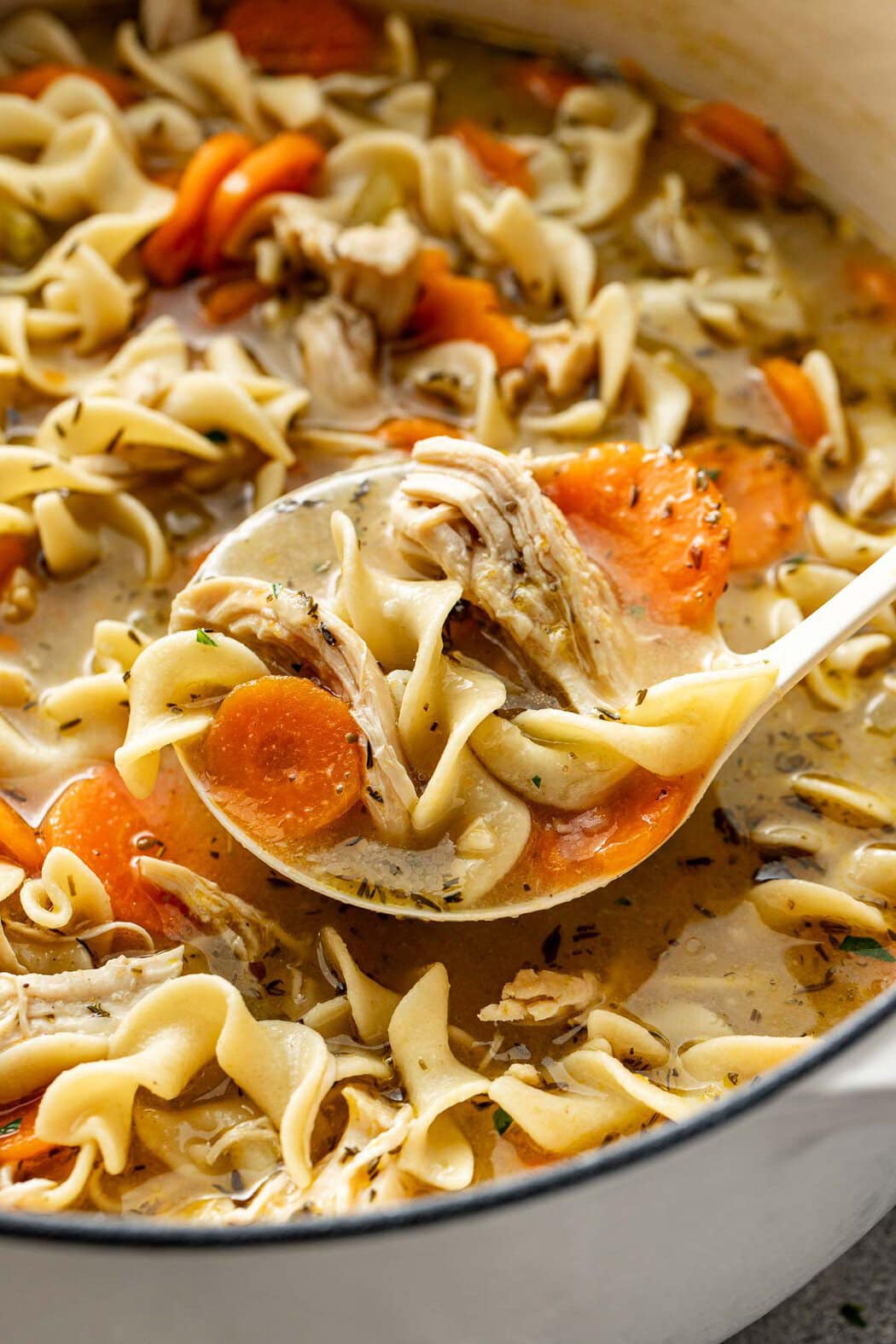
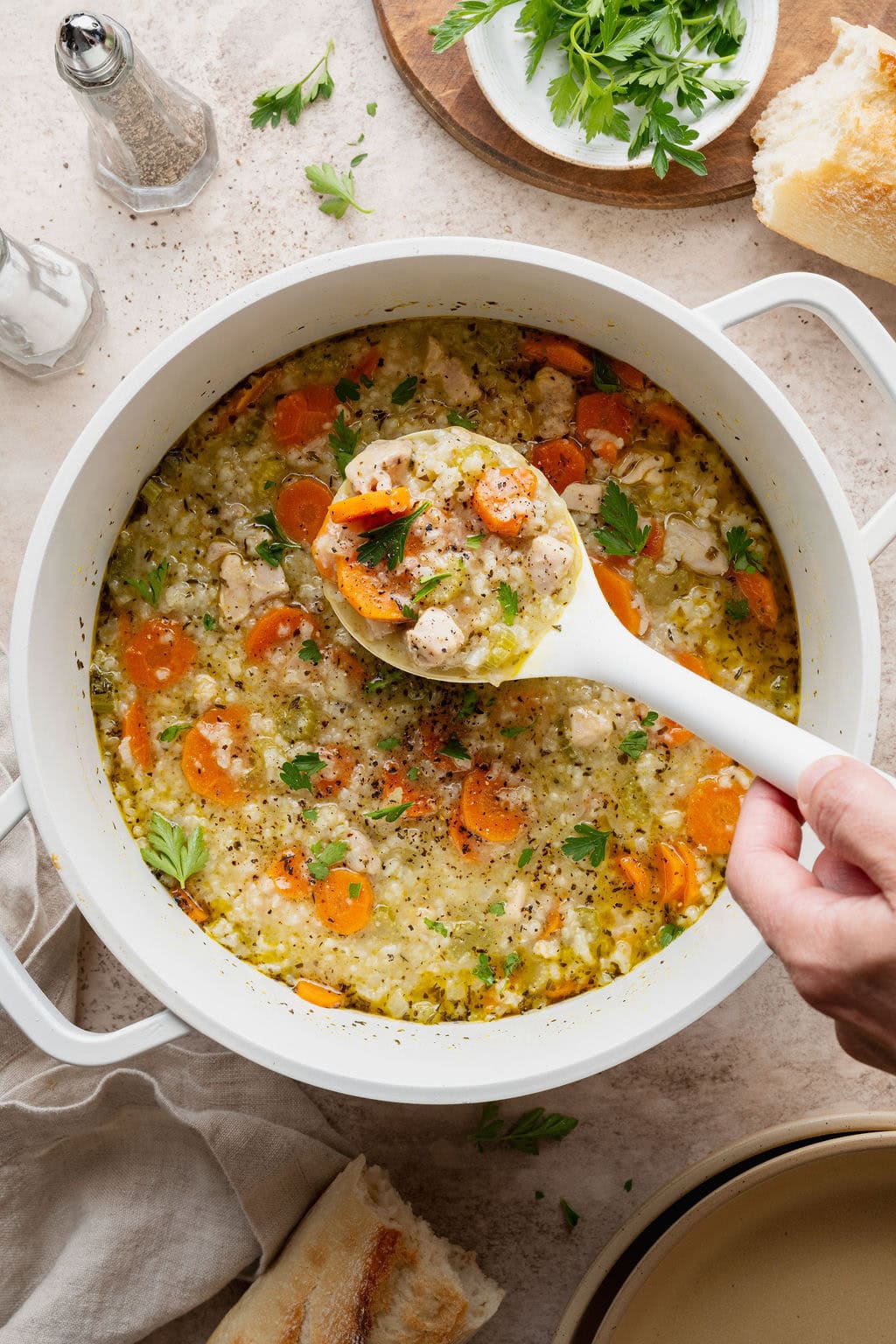
I typically make a batch of this bone broth (or if I’m prepared, I pull some out of my freezer). This nourishes my body with electrolytes and some lean protein. And it’s a great base for veggies and chicken if I’m feeling like a bowl of chicken soup. Otherwise, I’ll just sip some in a mug as a beverage.

If I’m not drinking bone broth, I’m probably making myself a mug of this copycat medicine ball tea. This hot tea soothes a sore throat and helps my congestion clear up. And I love that it has less sugar than the original Starbuck’s version. In fact, all teas help me stay hydrated, including green tea and other herbal teas.
I also turn to meals that are cozy, comforting, and easy to make. That means produce-packed smoothies, warm bowls of oatmeal, and a pot of soup on the stove (I’m partial to chicken noodle soup). Eggs and yogurt are easy protein options, too. A few bland foods, like applesauce, bananas, rice, crackers, and toast (basically the BRAT diet), are nice options for when I have an upset stomach. I also tend to limit spicy foods then too.
And avoiding dehydration is key, and luckily soups and smoothies are hydrating foods. I try to drink electrolyte beverages or sports drinks, to replenish sodium, magnesium, and potassium. I’d be remiss not to mention water as my main beverage of choice to help me recover and ease symptoms.

Frequently Asked Questions
Water is the best drink to support the immune system. Overall hydration is key and almost all beverages count toward water intake. Try a soothing cup of tea with honey or smoothies made with antioxidant-rich fruits and vegetables. Limit alcohol and sugary beverages, which have negative impacts on the immune system. Avoid any beverages with caffeine, like coffee or tea, in the afternoon to help preserve sleep.
Many lifestyle habits support a healthier immune system. Exercising regularly, managing stress, staying hydrated, getting enough sleep, and eating a well-balanced diet all help. Food choices should focus on protein, fiber, healthy fats, vitamin C, and zinc.
Research is a little mixed but does seem promising. Vitamin C won’t prevent everyone from catching a cold, but it may shorten the number of days with symptoms. Research found it may reduce the chances of getting sick for people doing intense exercise or exposed to cold temperatures. Zinc doesn’t prevent colds, but can help shorten the duration.

For ultimate success, we highly recommend reading the tips in the full blog post above. All photos and content are copyright protected. Please do not use our photos without prior written permission. If you wish to republish a recipe, please rewrite the recipe in your own unique words. Link back to the source recipe here on The Real Food Dietitians. Thank you!