
Seed oils are found in many commonly eaten foods, yet the way they’re often talked about makes it seem like they need to be avoided at all costs. As a registered dietitian, I know dramatic claims often stray from what the science really says. On one hand, people say seed oils cause disease and increase inflammation, and on the other, some advise including them in a healthy diet. But are seed oils — which are made from plant seeds — as controversial as they seem? And how do they really affect health? The evidence seems to be a bit more nuanced than today’s headlines and social media present.
Since seed oils are frequently used in restaurants, home kitchens, and by food manufacturers, it can feel tricky to know how to proceed. There is a fair amount of research on seed oils and I was excited to dive into the latest findings to help clear up some of the confusion.
What Exactly Are Seed Oils?
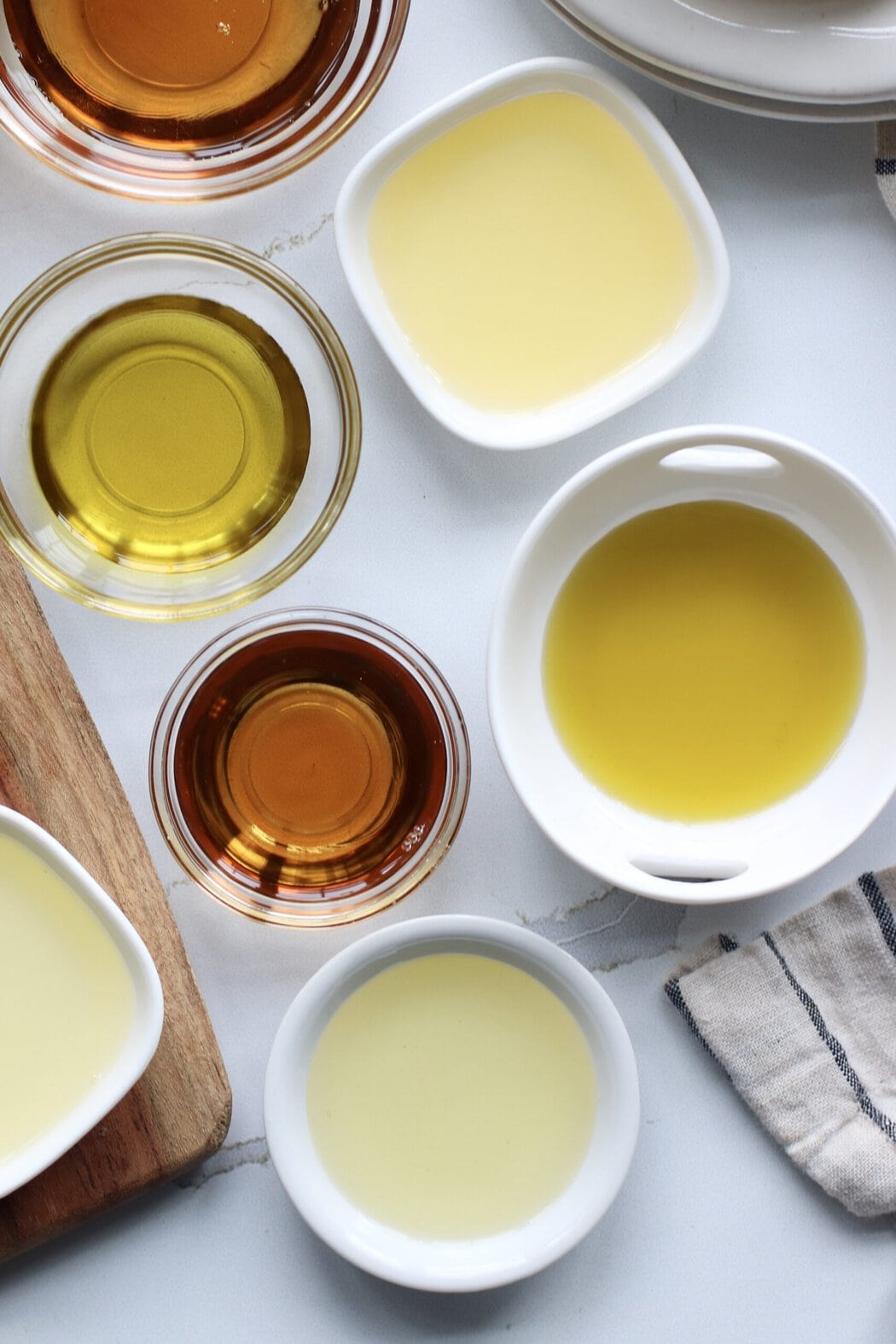
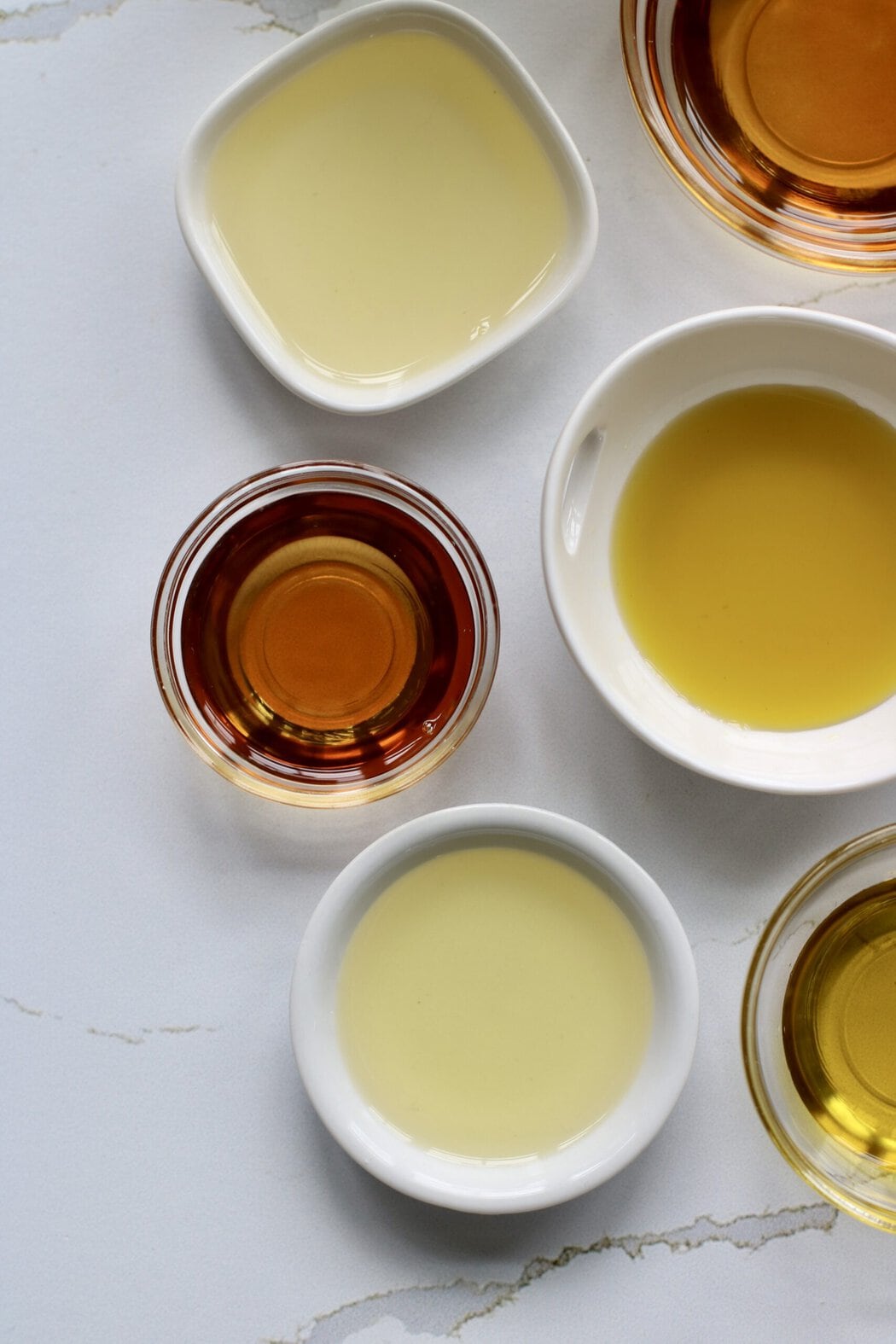
Seed oils are a category of oils that are extracted from the seeds of various plants. They are a subset of vegetable oils. The most common seed oils are:
- Soybean oil
- Canola oil
- Sunflower oil
- Safflower oil
- Corn oil
- Cottonseed oil
- Peanut oil
- Rice bran oil
- Grapeseed oil
- Sesame oil
Not all plant oils are seed oils, however. For example, olive oil and avocado oil are plant oils but they’re not seed oils. They’re made from the pressed fruit of olive plants and avocado plants.
Seed oils are liquid at room temperature and though their individual fat profiles differ, most seed oils contain mostly unsaturated fats. The unsaturated fats in seed oils are a mix of monounsaturated, polyunsaturated and saturated fatty acids. Seed oils tend to be rich in omega-6 fatty acids and contain some omega-3 fats, as well. They are much lower in saturated fats than animal fats like butter, beef tallow, and lard. Coconut oil, though not an animal-based oil, is a unique plant-based oil that is high in saturated fat.
How They’re Made
Seed oils start out as sunflower or sesame seeds, for example, but they require more than just a quick trip in a blender to become the golden oils found in bottles at the store. And how seed oils are made is a big part of the conversation around their health impacts. Seed oils are made by extracting the fat from the seeds and then refining it. Some people claim the way they are processed is what makes them unhealthy, but in addition to the fat, the refining process also helps remove compounds from the oils that would make them unstable.
Extraction Process
Extracting the oil from the seed involves using either a mechanical process or solvents, like hexane. Much of the hexane used evaporates, but not all of it.
Concerns around hexane are relevant because it’s a neurotoxin when inhaled. There are limits for how much hexane is allowed to remain in these oils, and when seed oils have been tested the amount of hexane was far, far below those small limits. A recent study found that to exceed the hexane limits, someone would need to eat 4,900 grams of seed oils a day, which is more than 20 cups.
For oils labeled “cold pressed” or “expeller-pressed” the process is slightly different. Seeds are washed, crushed, and then pressed to remove the oil. The oil is then filtered. Cold pressing works slowly to keep temperature from friction down.
Chemical extracting with solvents does get more oil out of the seed in comparison to mechanical extraction.
Refinement
Refinement is a multi-step process. Degumming is the first step, followed by neutralization, washing, bleaching, dewaxing, and deodorizing. That might sound like a lot of scary steps, but most of what they are designed to do is eliminate compounds in the oil that shouldn’t be in the finished product.
Refining seed oil helps extend its shelf life and remove some impurities, but the process has its pros and cons. The benefits include helping the oil resist oxidation (when fats turn rancid), removing pesticide residue, and giving seed oils a more neutral flavor.
However, refining oils also removes some of the beneficial compounds, like polyphenols, plant sterols, and tocopherols.
Nutritional Profile
Seed oils won’t all have the same exact nutrition information since they come from different seeds. The fat profiles vary slightly, but in general they are high in unsaturated fats and contain no protein or carbohydrates. Oil has about 120 calories per tablespoon.
One tablespoon of canola oil, for example, contains:
- 124 calories
- 0 g protein
- 0 g carbohydrate
- 14 g fat
- 1 g saturated fat
- 9 g monounsaturated fat
- 4 g polyunsaturated fat
- 2.6 g linoleic acid (omega-6)
- 1.3 g alpha-linolenic acid (omega-3)
- 2.5 mg Vitamin E (17% DV)
- 10 µg Vitamin K (11% DV)
A positive for seed oils is that, since they come from plants, they are all relatively low in saturated fat. Swapping out sources of saturated fat for more unsaturated fats is a well known way to help lower the risk of heart disease and other cardiovascular disease.
The types of unsaturated fats in seed oils are a mix of monounsaturated fatty acids (MUFA) and polyunsaturated fatty acids (PUFA). The polyunsaturated fats include linoleic acid (an omega-6 fatty acid) and alpha-linolenic acid or ALA (an omega-3 fatty acid). Both types of omegas are essential, meaning the body doesn’t make them and they need to be eaten.
ALA is linked with many benefits including anti-cancer, anti-inflammatory, and neuroprotective properties. That makes sense since omega-3 fats are known for their health properties. The linoleic acid found in seed oils is also associated with lower risk of heart disease and type 2 diabetes. Seed oils also contain some fat-soluble vitamins including vitamin E and vitamin K. Vitamin E is important for the immune system and acts as an antioxidant. Vitamin K is key for bone health and normal blood clotting.
Where These Oils Are Found
If I’m not home cooking a meal from scratch but instead opening up a packaged snack food or going to a restaurant, chances are high there are seed oils in the food I’m eating. Not all packaged foods use seed oils (like my favorite protein bars), but lots do. They’re used in many ultra-processed foods and at fast-food establishments and restaurants. Here are some places seed oils pop up:
- Ultra-processed foods: Chips, crackers, cookies, and baked goods. Seed oils are often used as the fat component in these snacks.
- Sauces, dressings, and condiments: Salad dressings, mayonnaise, pasta sauce, pesto, and creamy dips use seed oils as an ingredient.
- Frozen meals: Many frozen meals, such as burritos, lasagna, and burritos contain seed oils.
- Fast food: Seed oils are typically used in the fryer for fries, chicken, and other fried foods.
- Restaurant meals: Seed oils are a common cooking oil for restaurant kitchens.
Seed oils are relatively inexpensive, shelf-stable, and don’t have a super-strong flavor, which is why they are frequently included in many foods. One thing that stands out to me, is that seed oils are often found in foods that should be limited in the diet — but it’s not because they’re made with seed oils, but rather because they tend to be high in calories and low in nutrients.
The Debate Around Seed Oils
There is a lot being said about seed oils, and the debate seems to center around whether or not they are healthy. I hear a lot that seed oils are inflammatory because of their omega-6 fatty acids and that eating them can lead to chronic diseases. And on the other hand, I hear that seed oils are healthy fats and nothing to worry about.
The inflammation debate relates to omega-6s in seeds oils. Omega-6 fats are a healthy type of fat on their own, but most people get plenty of omega-6 fats. On the other hand, most people don’t eat enough omega-3s, so the average intake of omega-6 fats to omega-3 fats is disproportional. And, for health, that ratio matters. An optimal ratio for health is 5:1 omega-6:omega-3, but Americans currently consume closer to 20:1. That higher ratio and intake of omega-6’s may increase metabolic disorders and inflammation. Eating more omega-3-rich fish and seafood, and plant-sources of omega-3s (like flaxseed, chia seed, and walnuts) can help improve that ratio, along with decreasing intake of ultra-processed foods that are high in omega-6s.
While an imbalance of omega ratios may be pro-inflammatory, research on seed oils shows that they do not increase inflammation on their own. A recent review study on seed oils showed that they, instead, helped reduce inflammatory markers and oxidative stress. Reducing inflammation, it turns out, is more complex than just cutting down on one specific ingredient. An anti-inflammatory diet pattern includes eating lots of fruits, vegetables, legumes, nuts, and whole grains, while limiting refined carbohydrates and saturated fats.
The idea that seed oils cause obesity and chronic conditions seems to stem from the rise over the past few decades in the consumption of seed oils, which happened at the same time as rising chronic diseases and weight gain. But science has taught us that correlation is not causation. There are several major patterns in the standard American diet that correlate with rises in chronic disease.
For example, 55% of calories in most diets come from ultra-processed foods while only about 10% of people eat the recommended amount of fruits and vegetables. When I look at those dietary patterns, they point to an increased risk for weight gain, heart disease, and diabetes, without blaming seed oils. It’s true that seed oils are found in those ultra-processed foods, but those foods also tend to be quite high in sugar, salt, and calories while not contributing many beneficial nutrients. Shifting away from low nutrient-dense foods to more whole foods can help shift those trends. Chips and other snack foods made without seed oils are still low nutrient foods.
A lot of the science and nuance is lost in the online debate. Seed oils tend to take a lot of the blame for being a large part of an overall diet that’s low in nutrients. And though the omega-6:omega-3 ratio is important, seed oils themselves are not inflammatory and have been linked with a reduced risk of chronic diseases.
Some Alternatives
While people can choose to consume seed oils or limit them, there are also lots of alternatives. I personally love keeping a few different oils and fats on hand for variety in nutrients and flavor when I’m cooking.
- Olive oil: This golden oil is one I reach for all the time to make salad dressings and sauté foods. Olive oil is high in monounsaturated fats. It’s linked with improved cholesterol, lower risk of heart disease, decreased inflammation, and it delivers lots of antioxidants and polyphenols.
- Avocado oil: Another favorite around here, avocado oil is a bit more neutral in flavor than olive oil and also has a higher smoke point. It’s got a mix of monounsaturated and polyunsaturated fatty acids, and I use it most for stir-fries, grilling, and roasting.
- Ghee: This is butter that has been clarified to remove the milk solids. It’s traditionally used in Indian cooking and has a rich flavor and a high smoke point. Since it’s made from butter, it’s relatively high in saturated fat. I use it sometimes to roast veggies or drizzle it over popcorn, but there are many ways to enjoy ghee.
- Coconut oil: Coconut oil has a distinct flavor that is sometimes the perfect choice for some baked goods, no-bake treats, and savory dishes. It often works well as a dairy-free substitute for butter. It is high in saturated fat, though, so I don’t use it as an everyday cooking oil.
Looking At The Full Picture
Currently, seed oils are a hot topic in the nutrition world. The fear around them as an ingredient is based more in myth than it is science. Personally, I choose to use olive oil and avocado oil mostly when I cook at home because of the health benefits, but I don’t stress if I’m dining out at a restaurant where seed oils are commonly used. Most of the research looking at seed oils shows that eating them is linked with neutral or positive health outcomes, especially when they’re swapped in for oils and foods that are high in saturated fat.
Though I do eat them sometimes for convenience or choice, I limit my intake of ultra-processed foods that are low in nutrients. My overall dietary pattern focuses on a well-rounded, balanced diet of meals that are mostly cooked at home and where I get some whole foods every day. Eating like this naturally cuts down on my intake of seed oils, but the health benefits I receive can be most attributed to my intake of more vitamins, minerals, and antioxidants.
Frequently Asked Questions
Seed oils and vegetable oils are often the same thing. A bottle of vegetable oil in the store is typically made of one or a blend of seed oils. When choosing a cooking oil, consider smoke point, flavor, and availability. Vegetable and seed oils tend to be more affordable, have high smoke points, and are low in saturated fat. Avocado oil and olive oil are a bit higher priced but also have more health benefits.
Essential fatty acids are necessary to eat because the body cannot make them. Omega-3 and omega-6 fats are essential fatty acids. Humans need them for heart health, brain development, eye health, and supporting our immune systems. Although a true deficiency is rare, low levels of essential fatty acids may lead to skin conditions and infections.
Many different oils are linked with health benefits, including olive oil, avocado oil, and even seed oils, like canola and soybean oils. Olive oil, however, always tops my list of healthy oils, thanks to its monounsaturated fats and antioxidants that are good for my heart and good for reducing inflammation.
Seed oils, like canola oil and sunflower oil, work well in recipes that need a neutral-flavored oil and call for medium to high-heat cooking. Cold-pressed or expelled-pressed oils work well in salad dressings and recipes that use less heat. Regardless of the oil used, I prepare a variety of recipes that include protein, vegetables, whole grains, and other real foods. Oil is just one small piece of a healthy diet.
More Wellness And Nutrition Guides


For ultimate success, we highly recommend reading the tips in the full blog post above. All photos and content are copyright protected. Please do not use our photos without prior written permission. If you wish to republish a recipe, please rewrite the recipe in your own unique words. Link back to the source recipe here on The Real Food Dietitians. Thank you!


Thank you for this information. I have been wondering about seed oils and had not taken the time to research them. Your article was very helpful.
We are happy to hear this was helpful, Cara!