Calcium is the most prevalent mineral in the body, best known for helping to keep our bones and teeth strong. Beyond that, it plays a role in nerve signaling, allowing our brains and bodies to communicate, muscle function, and hormone responses.
As a dietitian and woman nearing perimenopause, I want to keep my body as healthy as possible as I get older. And that includes getting lots of nourishing foods, exercise, good sleep, and making sure I get enough calcium-rich foods in my diet.
While I’ll always remember the milk mustache ads that appeared in every magazine I read as a teen, dairy isn’t the only way to get calcium. Plenty of foods are a good source of calcium and they often get overlooked. I wanted to share foods high in calcium, including non-dairy and fortified options, plus some tips for absorbing calcium and answers to questions I get often.
Dairy Products
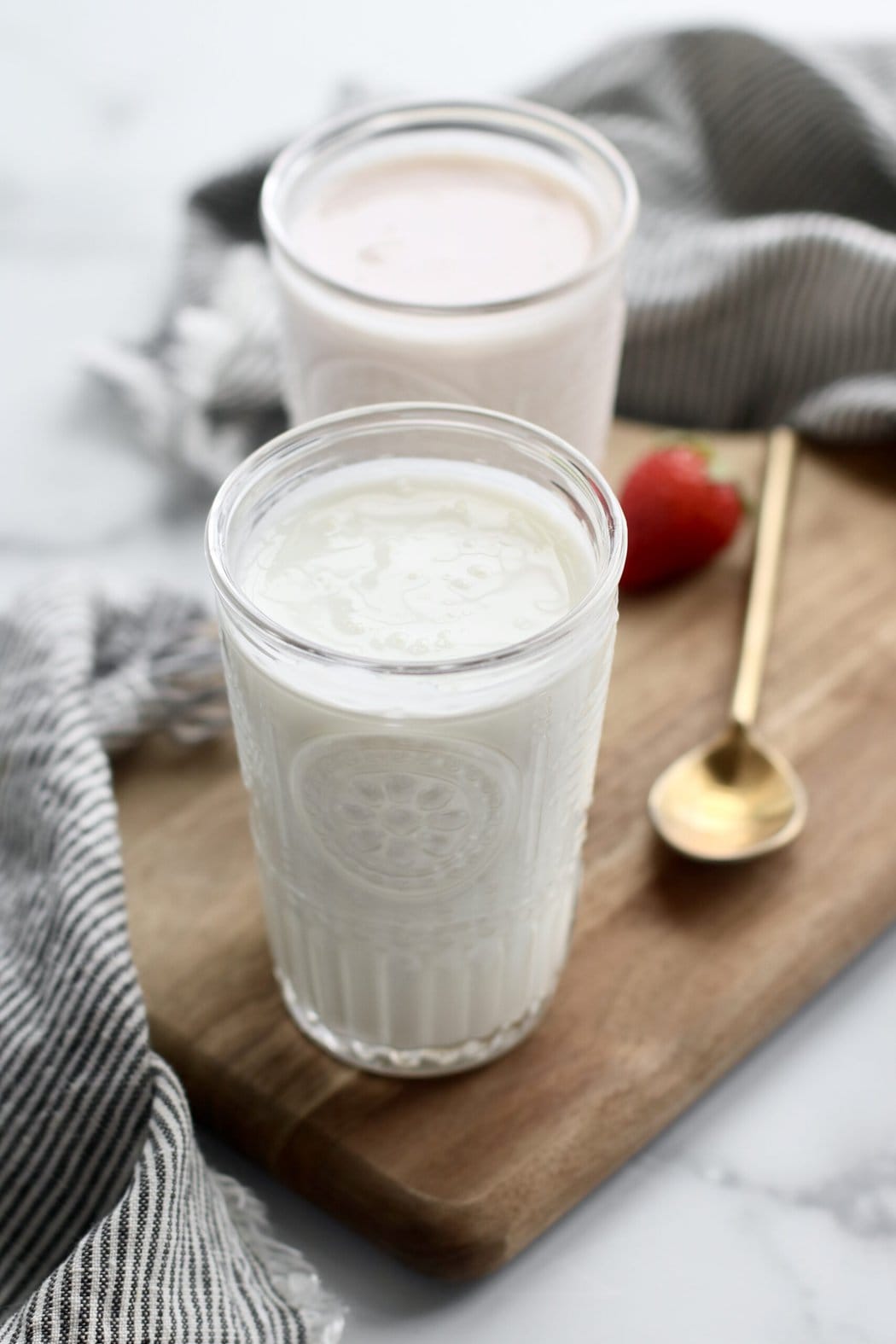
Dairy products are the most well known source of calcium in the diet. It’s a big category of foods, including milk, yogurt, and cheese, and the amount of calcium and other nutrients in each item varies. Overall, eating dairy helps me hit my calcium goals for the day. Many dairy products are also fortified with vitamin D, which helps promote calcium absorption and reduce the risk of osteoporosis. Non-dairy milks, such as soy milk and almond milk, are typically fortified with calcium and vitamin D. Check the package to see how much has been added, when choosing a plant-based milk.
- Milk: 309 mg calcium in 1 cup. I don’t often reach for a glass of milk as an adult, but it is always in my house. I often add it to my matcha lattes and use it as an ingredient for oatmeal and smoothies, plus my kids drink it. With just over 30 percent of the daily value for calcium, plus some vitamin D and protein, milk is a great drink for calcium. Whole, low-fat, and fat-free milk all contain calcium.
- Kefir: 316 mg calcium in 1 cup. This fermented probiotic-rich drink is similar to a drinkable yogurt and helps protect bones with calcium, vitamin D, and vitamin B12. I love it in overnight oats, smoothies, and in place of buttermilk in pancakes.
- Yogurt: 189 mg calcium per 6 ounces. Yogurt is a great source of probiotics, the good bacteria that support a healthy gut microbiome. Greek yogurt is also rich in protein, with about 18 grams per serving. Plain Greek yogurt is a fridge staple for breakfast and high-protein snacks.
- Cottage cheese: 114 mg calcium in a ½ cup serving. While cottage cheese has grown in popularity because it’s versatile and high in protein, it also delivers around 10 percent of the daily value for calcium per serving. I use it to make higher-protein ranch dip with whipped cottage cheese and cottage cheese egg bakes, which are perfect for meal prep.
- Cheese: Since cheese is made with milk, it has some calcium, but depending on the type of cheese, amounts vary. Hard cheeses, like Parmesan, tend to be higher in calcium because they have less moisture than a softer cheese, like mozzarella. Cheese can be a touch high in sodium and saturated fat to be a main source of calcium. I like using cheese to add flavor to vegetables and to make casseroles a little heartier and sometimes grab a part-skim mozzarella stick for a quick snack with some protein and calcium.
- Parmesan: 335 mg calcium in 1 ounce
- Swiss: 252 mg calcium in 1 ounce
- Cheddar: 199 mg calcium in 1 ounce
- Mozzarella: 143 mg calcium in 1 ounce
Leafy Greens And Vegetables
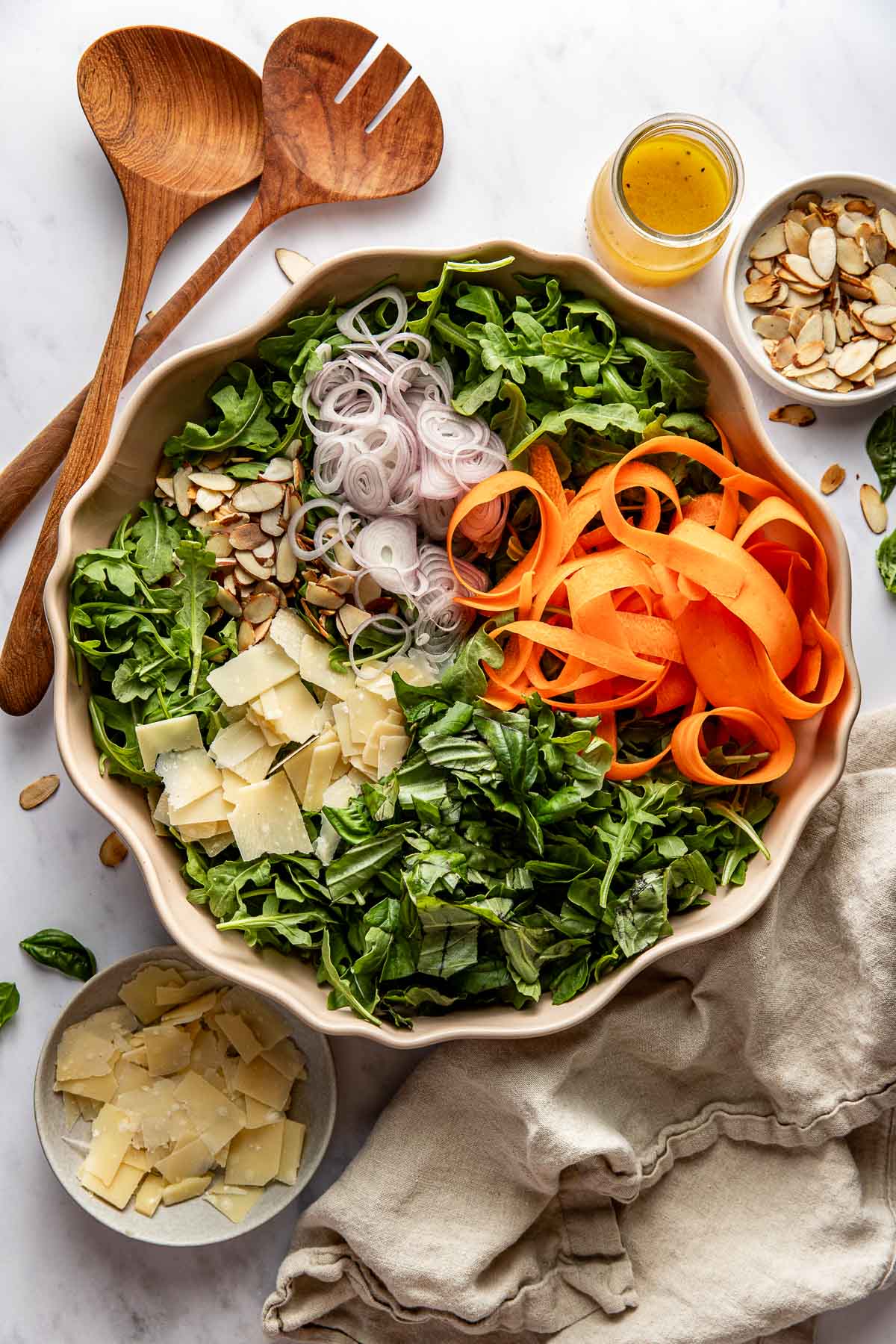
Vegetables and leafy greens are a food group I eat daily. Dark leafy greens, like kale and spinach, are rich in nutrients and phytochemicals that may help protect against diabetes, obesity, and heart disease. They contain fiber, vitamin C, beta carotene, potassium, magnesium, iron, and calcium. While greens have a lot going for them, some are particularly high in oxalates, an anti-nutrient that inhibits calcium absorption. Spinach and Swiss chard have the highest levels of oxalates, while cabbage, broccoli, kale, and cauliflower are considered low-oxalate foods. People at risk for kidney stones may need to limit very high sources of oxalate, but it’s also encouraged to eat plenty of calcium-rich foods, since calcium can help bind to oxalates.
I try to eat a variety of vegetables, for taste and flavor, and to make sure I’m getting different micronutrients. I focus on choosing some higher-calcium vegetables for bone health, too.
- Kale: 177 mg calcium in 1 cup cooked
- Broccoli: 62 mg calcium in 1 cup cooked
- Spinach: 245 mg calcium in 1 cup cooked
- Collard greens: 324 mg calcium in 1 cup cooked
- Turnip greens: 199 mg calcium in 1 cup cooked
- Bok Choy: 158 mg calcium in 1 cup cooked
Fish With Edible Bones
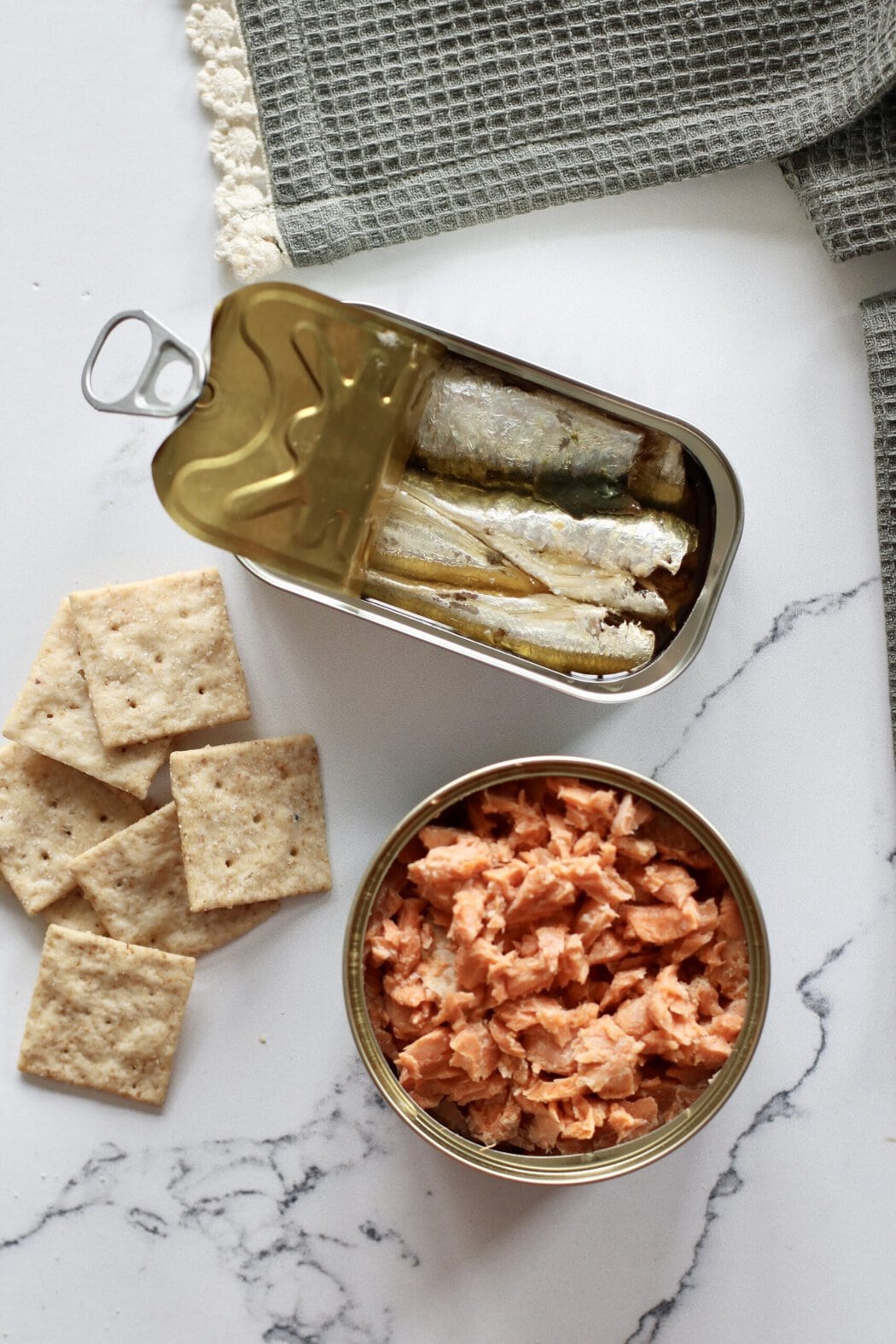
Some canned fish, including sardines and salmon, contain small, soft edible bones. I don’t ever notice them, but because I am eating the fish with bones, I get a good source of calcium with my seafood. Eating fish without bones, like canned tuna or a large salmon filet, is not a good source of calcium, since it’s the bones that contain the mineral. Fatty fish is a great source of omega-3 fatty acids, which benefit heart health, reduce inflammation, and may help reduce cancer risk. I love all types of seafood, but the canned options listed here are affordable, easy and help strengthen my bones. I like making this 5-minute salmon salad for weekday lunches and stocking my pantry with safe seafood options, like sardines.
- Canned salmon: 241 mg calcium per 3 ounces
- Sardines: 324 mg calcium per 3 ounces
- Mackerel: 205 mg calcium per 3 ounces
- Anchovies: 197 mg calcium per 3 ounces
Nuts And Seeds
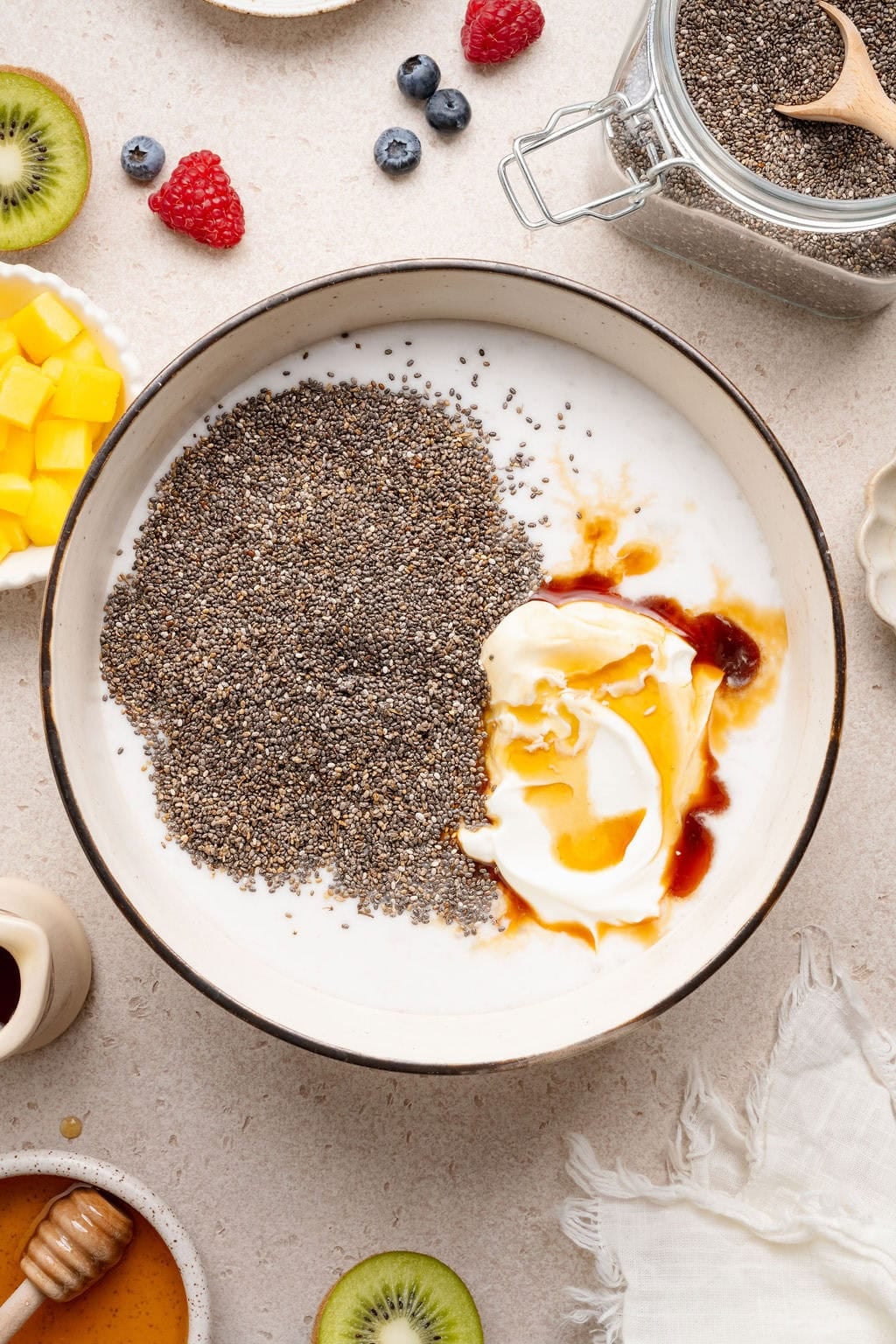
Nuts and seeds aren’t necessarily the highest in calcium, but many offer a decent amount per serving. I love that when I grab a handful of pistachios, spread some almond butter on an apple, or sprinkle chia seeds over yogurt, I’m getting a small calcium boost, too. Nuts and seeds also deliver heart-healthy fats, a little protein, some fiber, and other nutrients, so it’s a food category I feel good about choosing. Research links eating nuts to reduced risk of heart disease, cancer, and all-cause mortality.
- Chia seeds: 179 mg calcium per 1 ounce
- Flaxseeds: 69 mg calcium per 1 ounce
- Almonds: 76 mg calcium per 1 ounce
- Sesame seeds: 280 mg calcium per 1 ounce
- Pistachios: 30 mg calcium per 1 ounce
Fruits
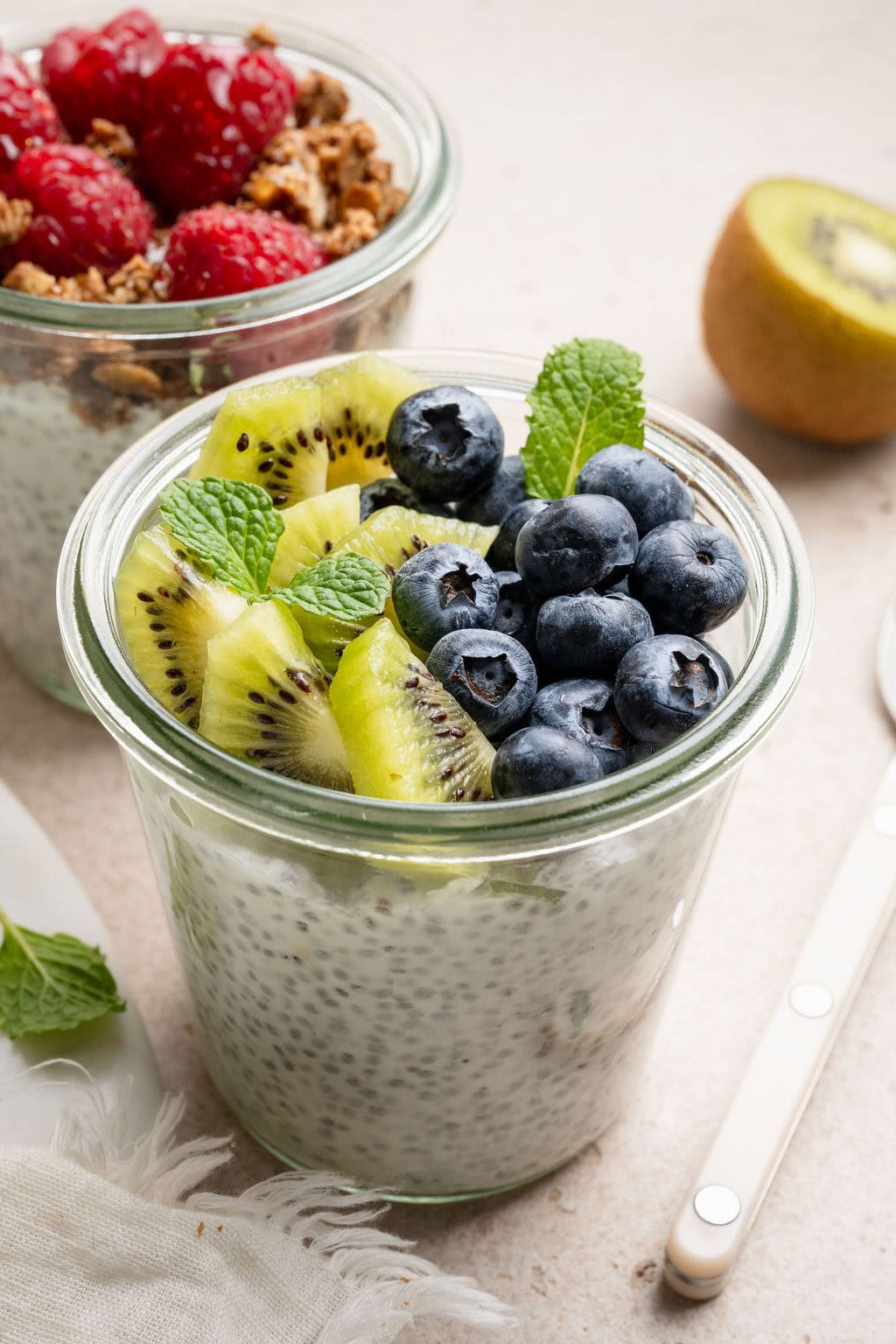
Fruits are rich in vitamins, antioxidants, and fiber, but most are actually relatively low in calcium. Some fresh fruits, like kiwi and oranges, contain a little. Dried figs and prunes also have a fair amount of the mineral.
And for people who skip dairy and don’t love some of the other high-calcium foods on this list, a calcium-fortified orange juice or other fortified food products might be a good way to get calcium in. In general, choosing whole fruits is a more nutritious choice because they come with fiber, which slows down digestion. Though I don’t get a ton of calcium from fruit, it’s good to know that when I pick up kiwis, oranges, and prunes, I’m getting some.
- Kiwi: 63 mg calcium in 1 cup
- Oranges: 65 mg calcium in 1 orange
- Prunes: 17 mg calcium in about 5 prunes
- Dried figs: 65 mg calcium in about 5 figs
- Calcium-fortified orange juice: 350 mg calcium in 1 cup
Beans And Grains
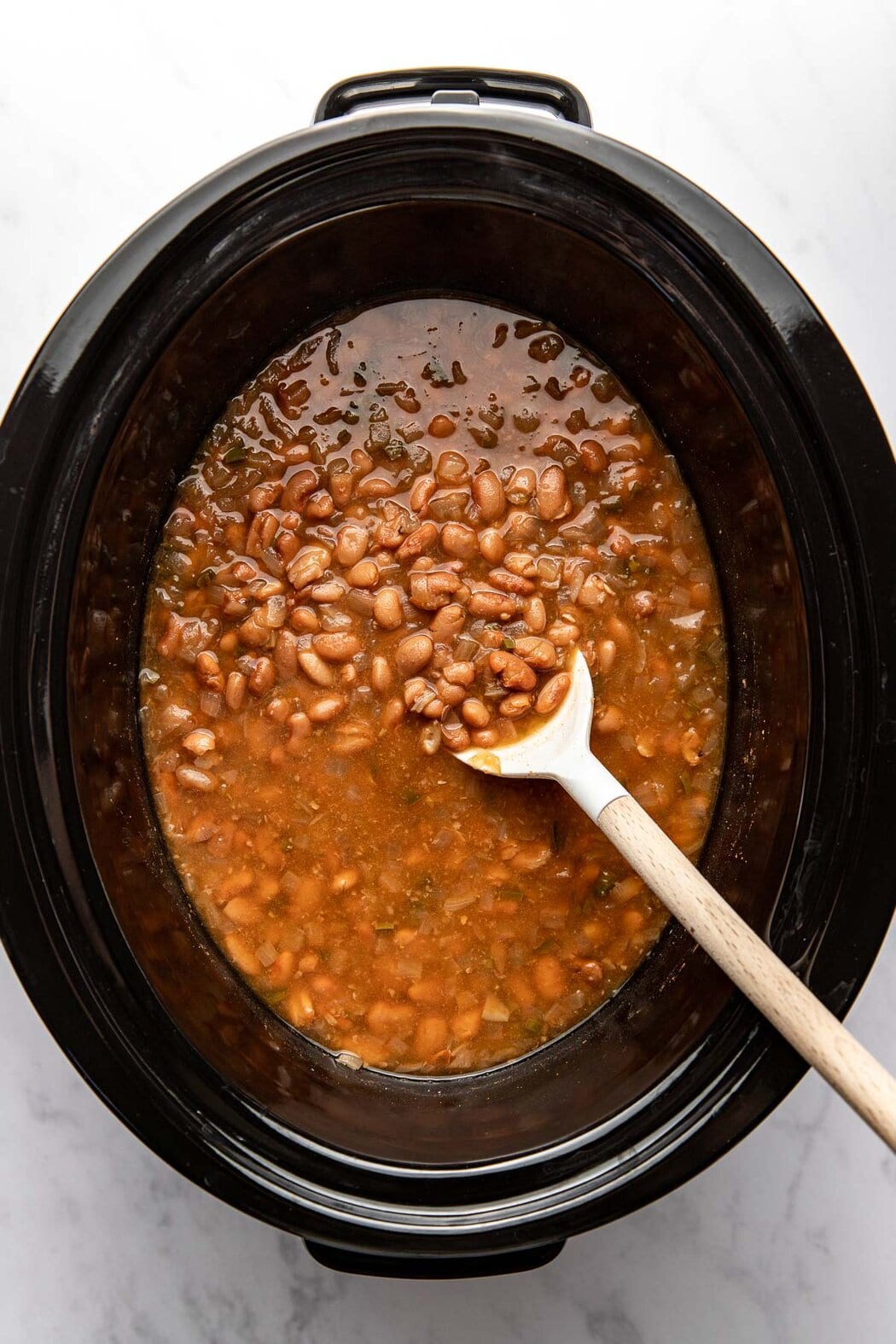
Beans and grains can be a great way to round out calcium sources in the diet. None are super high in calcium, but eaten throughout the day, the little bits can add up. Beans, like edamame, chickpeas and white beans, all contain plant-based protein along with phytonutrients, fiber, and some calcium. I aim to include a mix of beans and legumes in my diet. While tofu isn’t technically a bean, it is made from soybeans and is often fortified with calcium, making it a great vegan option to help with strong bones.
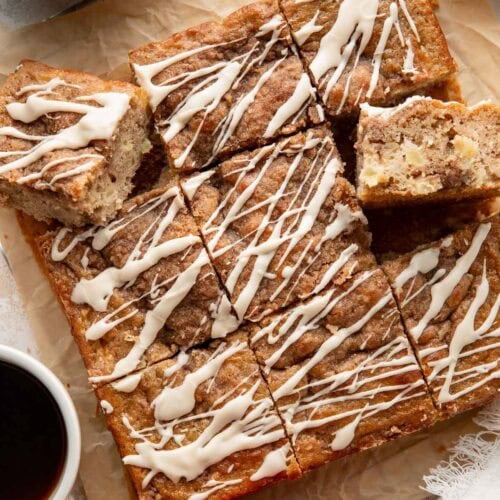
The highest calcium whole grains aren’t necessarily the most commonly eaten. Teff is an ancient grain, that’s naturally gluten-free and delivers iron and some calcium. Teff flour is great binder in these pesto meatballs and also delicious in this blueberry coffee cake. Corn tortillas are traditionally made by soaking the corn with lime water, before rinsing and grinding. This process, known as nixtamalization, helps improve the nutrition of the corn, increasing the iron, folic acid, and calcium content.
I try to include a variety of beans and whole grains in my diet for the fiber and health benefits, and it’s a nice perk to add a modest amount of extra calcium for my bones.
- Edamame: 49 mg calcium per ½ cup serving
- Chickpeas: 40 mg calcium per ½ cup serving
- White beans: 80 mg calcium per ½ cup serving
- Black-eyed peas: 40 mg calcium per ½ cup serving
- Lentils: 19 mg calcium per ½ cup serving
- Teff: 123 mg calcium per 1 cup, cooked
- Amaranth: 116 mg calcium per 1 cup, cooked
- Quinoa: 31 mg calcium per 1 cup, cooked
- Corn tortilla: 46 mg calcium in 1 6-inch tortilla

Calcium-Rich Meal And Snack Ideas
I try to include lots of calcium-rich foods from the above categories, including yogurt, cheese, leafy greens, fish, nuts, seeds, fruits, beans, and grains throughout my weekly meal plans. Here are my suggestions for snacks and meals to eat more calcium.
- Plain Greek yogurt with diced kiwi and chia seeds
- Chia seed pudding
- Lasagna soup topped with ricotta and mozzarella cheese
- Thai chicken salad with edamame
- Slow cooker white chicken chili
- 5-ingredient go-to green smoothie
- Pumpkin overnight oats
- Homemade tzatziki sauce
- A handful of prunes and almonds
- Kale quinoa salad with lemon vinaigrette
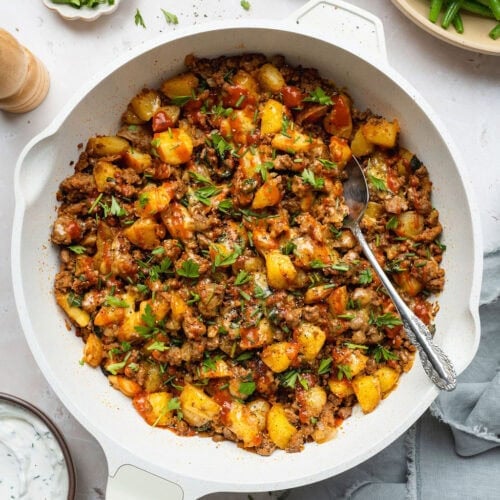
- Greek orzo skillet with chicken and chickpeas
- A quick quesadilla with cheddar and black beans on a corn tortilla
Tips For Better Absorption
There are a few things to keep in mind to maximize calcium absorption:
- Spread it out throughout the day: The body can only absorb so much calcium at once, from food and supplements. Try to spread out calcium-rich foods and get some at breakfast, lunch, dinner, and snacks. The body does best absorbing no more than 500-600 mg of calcium at a single meal.
- Pair calcium with vitamin D: Vitamin D helps the body absorb calcium in the intestine. It’s responsible for the active transport of calcium in the body. Vitamin D also helps remineralize bones and keep muscles strong.
- Be mindful of oxalates: Oxalates can bind to calcium and reduce how much is absorbed. Spinach and Swiss chard are higher in oxalates, so it’s a good idea to get a variety of vegetables to avoid overconsuming those that contain the anti-nutrient.
- Get some fiber: Prebiotic fibers may help increase calcium absorption and retention. Researchers think that as the fiber is digested by gut bacteria, metabolites are created which help increase how much calcium the body can absorb.
Frequently Asked Questions
Many people get less than the recommended amount of calcium daily. Adult women and men need about 1,000 mg daily. 1,200 mg is recommended for women after the age of 51, as the body cannot absorb it as well after menopause. All adults over 70 should aim for 1,200 mg. Calcium deficiency can lead to osteoporosis, fragile bones, and a greater chance of falling.
Yes, but it may take some planning. Dairy foods are a great source of calcium, but plenty of non-dairy foods contain calcium. Fish with bones, some vegetables and greens, fortified foods, beans, grains, nuts, seeds, and tofu all can help meet calcium needs. People who don’t consume dairy are at a greater risk of deficiency. So chatting with health professionals about supplementation may be helpful.
Adolescent boys and girls aged 9-18, along with women 51-70 and men and women over 70, are all at risk for calcium deficiency. Postmenopausal women, people with lactose intolerance and dairy allergies, and people who eat a vegan diet are all more likely to be deficient in calcium. Osteoporosis can affect anyone, but it is most commonly seen in non-Hispanic white women and Asian women. Also, poverty and low income are associated with an increased risk of calcium deficiency.
Many people with low calcium levels don’t experience any symptoms. Common symptoms for hypocalcemia, or low calcium, include numbness or tingling in hands and feet and muscle spasms. Severe symptoms can include congestive heart failure, seizures, cataracts, neurologic symptoms, such as depression and bipolar disorder, and coma.
Osteoporosis is a bone condition where bone loss occurs. Bones lose their strength, becoming weaker and less dense. It increases the risk of fractures and broken bones. When calcium intake is low, the body pulls calcium out of the bones to maintain blood levels. Over time, bones become weaker as they lose calcium. Low calcium intake increases the risk of osteoporosis, but there are other risk factors, including body size, race, family history, low levels of physical activity, and certain medications.


For ultimate success, we highly recommend reading the tips in the full blog post above. All photos and content are copyright protected. Please do not use our photos without prior written permission. If you wish to republish a recipe, please rewrite the recipe in your own unique words. Link back to the source recipe here on The Real Food Dietitians. Thank you!