A good balsamic vinaigrette has always been one of my favorite dressings. I think store-bought balsamic dressing just isn’t the same, not even close. This quick, flavorful homemade dressing comes together with a handful of everyday ingredients and has a rich balsamic flavor and almost creamy texture that makes any salad or dish taste so much better.
Recipe Highlights
Beats store-bought salad dressing: I love the bold, tangy-sweet flavor of this balsamic vinaigrette, and my easy homemade version is so much better than the watery texture and bland flavor of most store-bought balsamic dressings.
Simple ingredients: Olive oil, balsamic vinegar, Dijon mustard, maple syrup, garlic, salt, and pepper are all it takes to make this flavorful dressing. Similar to my red wine vinaigrette and Italian dressing, it’s all about achieving the right ratios of oil to vinegar.
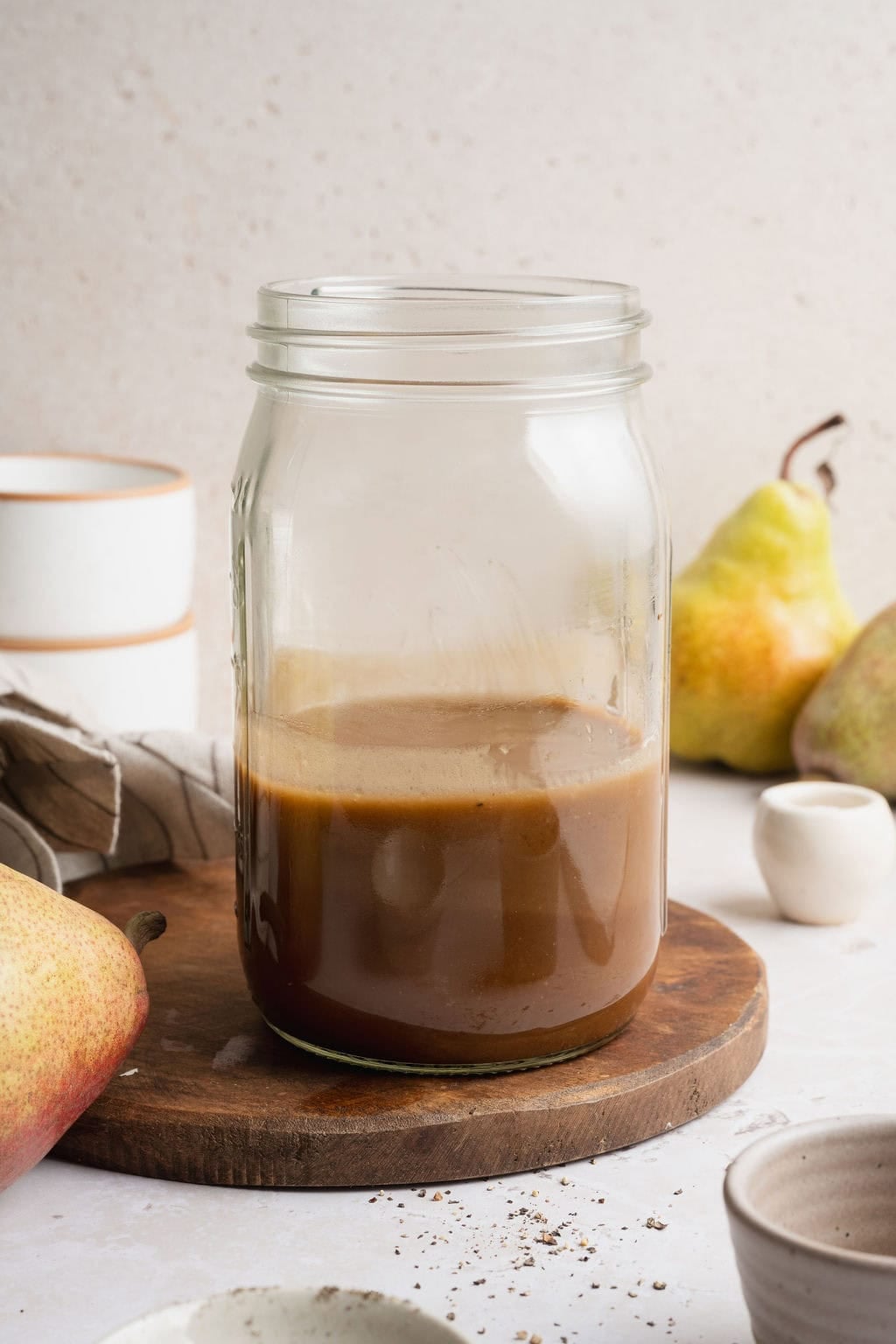
Creamy texture: A handheld immersion blender emulsifies the ingredients, creating a smooth, creamy consistency without any cream or dairy. This can also be achieved by shaking the ingredients in a jar or using a small blender.
More than salad dressing: This vinaigrette adds so much flavor to garden salads, but it also doubles as a marinade or finishing sauce for vegetables or chicken.
Main Ingredients
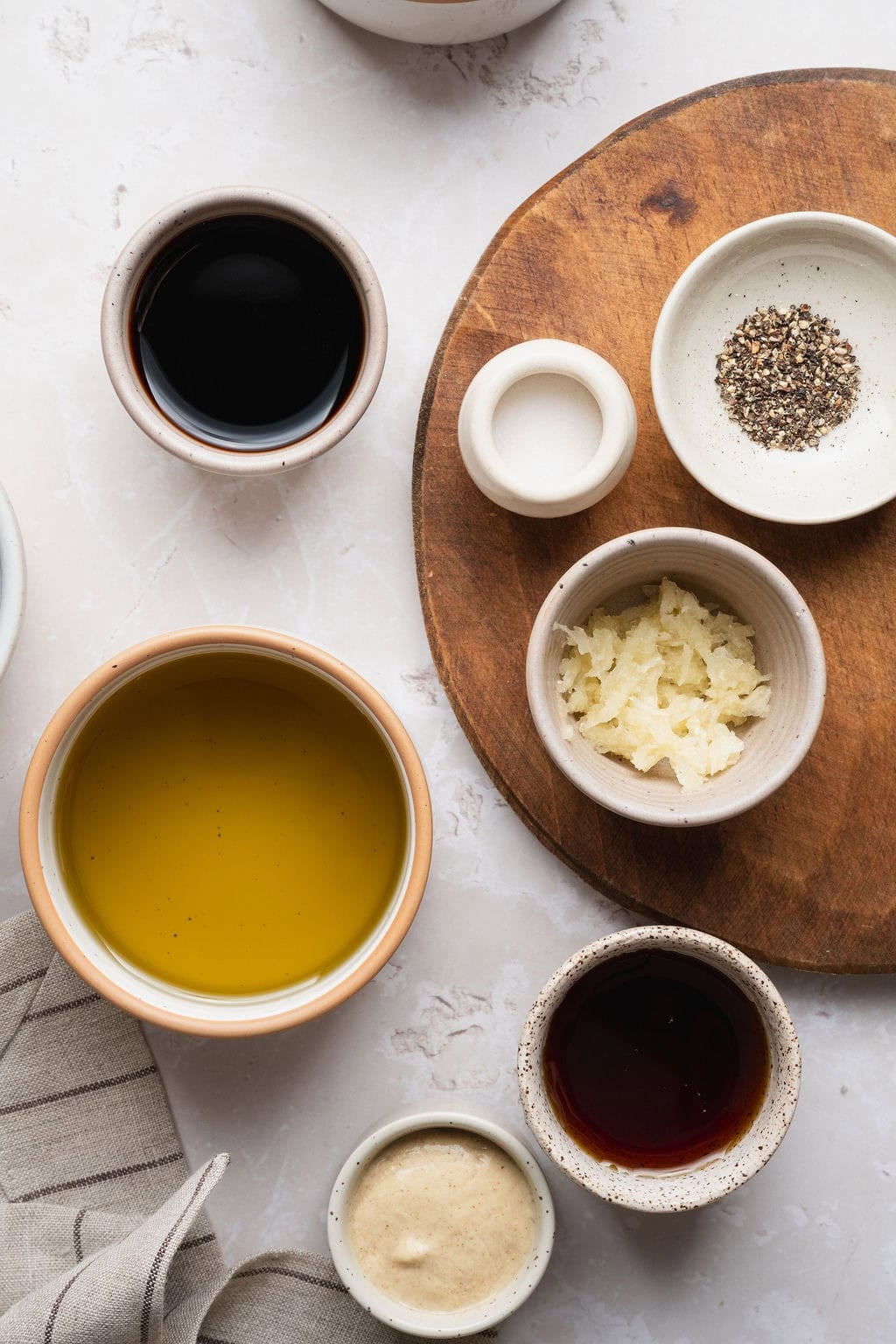
My homemade balsamic vinaigrette requires just a handful of everyday ingredients:
- Extra-virgin olive oil: This oil makes up the base of the vinaigrette, adding richness and healthy unsaturated fats. I recommend using a good-quality EVOO for the best flavor.
- Balsamic vinegar: This dark vinegar provides the signature tangy, slightly sweet flavor. A good-quality balsamic vinegar makes a noticeable difference. For a twist, try specialty types of balsamic vinegar, like peach balsamic or white balsamic.
- Pure maple syrup: My sweetener of choice to balance the acidity of the vinegar. Honey also works well.
- Dijon mustard: This adds a little tang and helps emulsify the oil and vinegar into a smooth dressing.
- Garlic: Fresh minced garlic adds savory flavor and a little bite. I prefer fresh garlic here, but garlic powder can work in a pinch.
- Salt and pepper: Fine kosher salt or sea salt plus freshly ground black pepper are the only simple seasonings needed to bring all of the flavors together.
Find the ingredient list with exact measurements in the recipe card below.
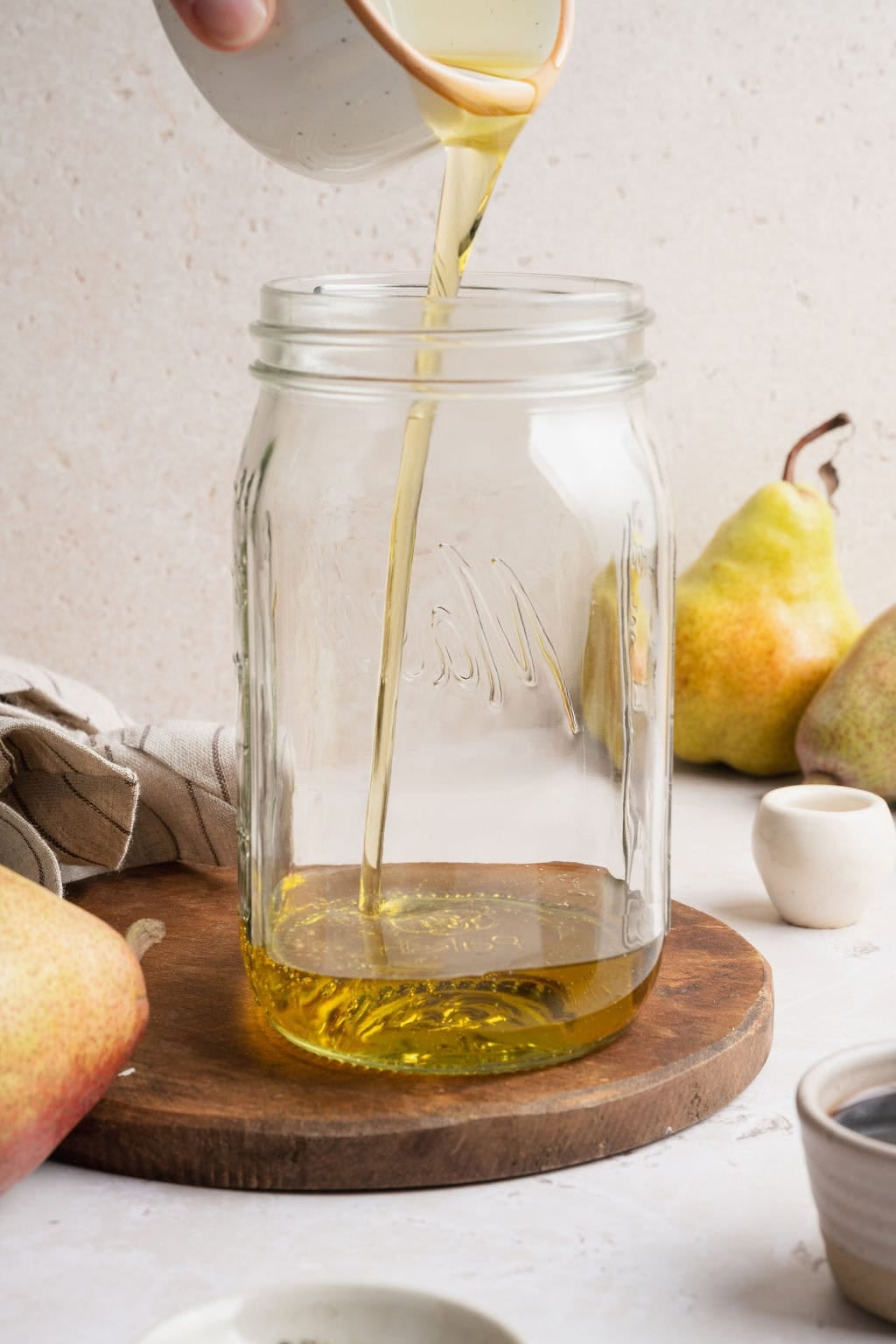
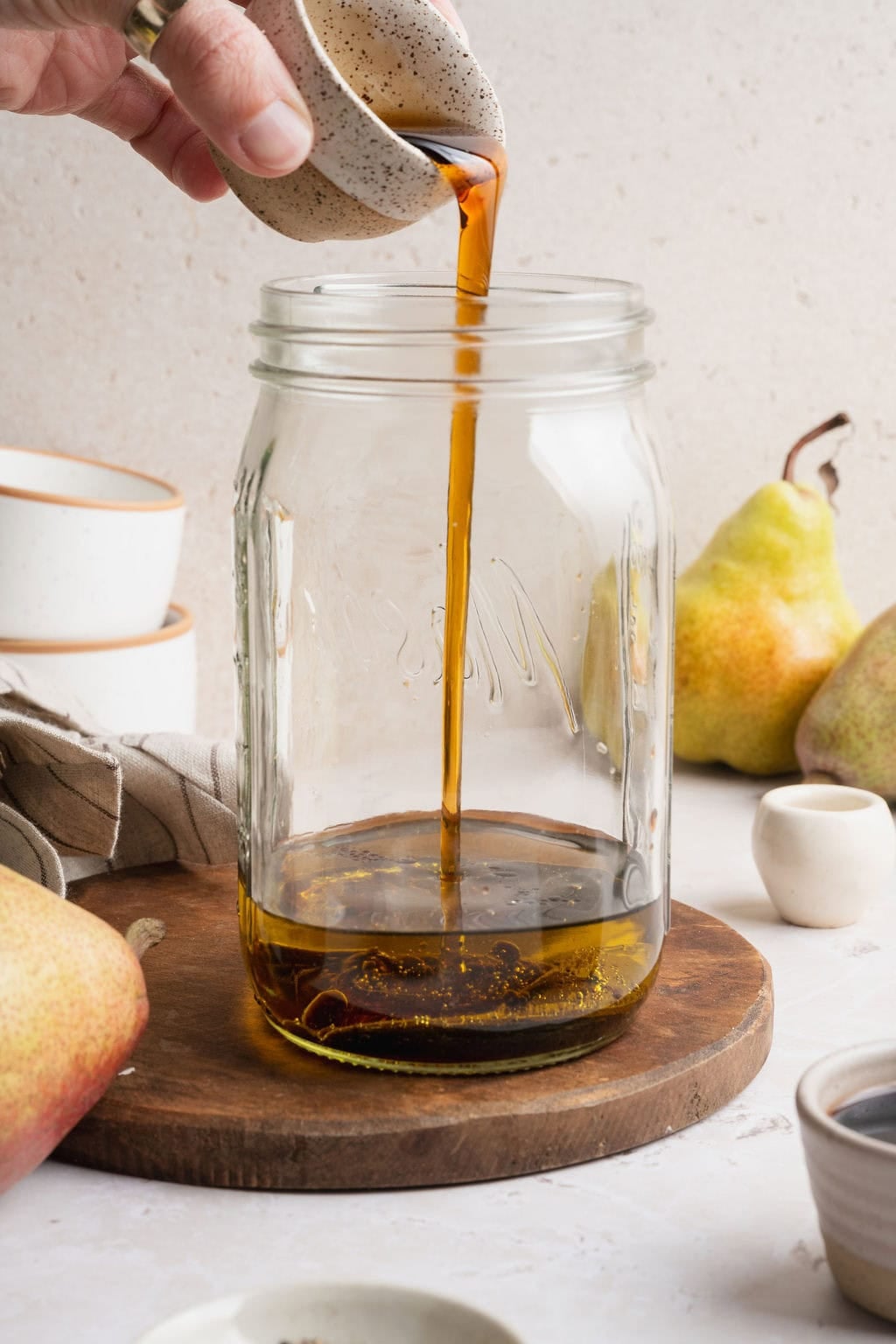
Blend And Serve
I’ve made this vinaigrette recipe so many times that I can do it in less than 2 minutes now. Here are the basic steps:
- Combine all of the ingredients to a small bowl or jar.
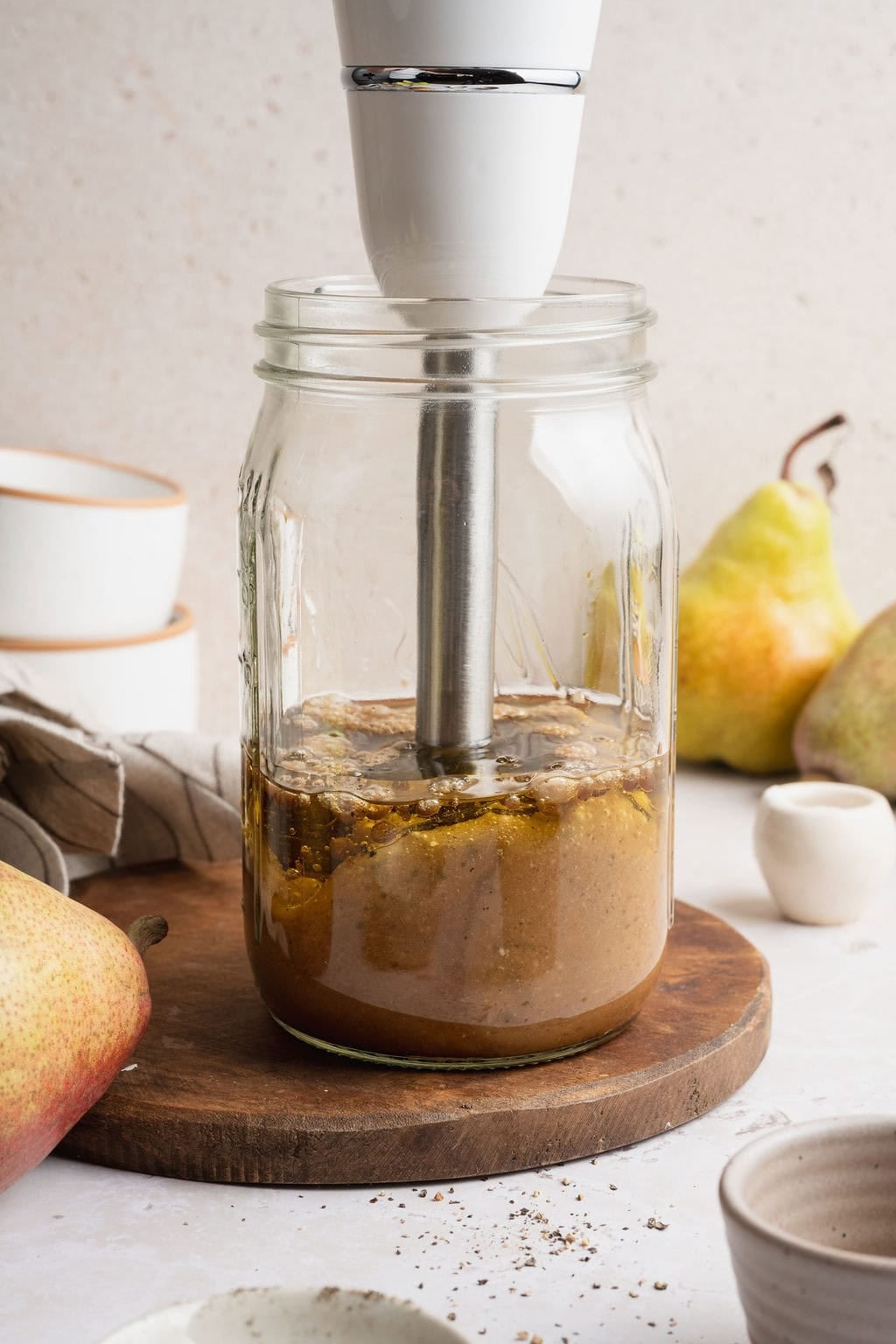
- Blend until smooth and creamy using a handheld immersion blender, or use a small food processor, whisk vigorously, or shake everything together in a tightly covered jar.
- Store in the fridge, then give the dressing another shake before serving if it separates.
For serving size and the complete directions and ingredient amounts, scroll down to the recipe card below. All of our recipes include the nutrition analysis, listing calories (kcals), protein, carbohydrates/carb, fiber, sugar, sodium, cholesterol, and more per serving.
Use An Immersion Blender
I prefer making this balsamic vinaigrette recipe with a small handheld immersion blender. It really mixes everything together and thoroughly emulsifies the oil and vinegar, creating an almost creamy texture that makes the dressing feel a little more finished and special.
The immersion blender is especially helpful when the dressing is made in a small bowl or jar. Just blend until the ingredients are well combined and the vinaigrette looks smooth. It takes only a few seconds, and the texture is worth it.
Ways To Use Balsamic Vinaigrette
This homemade balsamic dressing recipe is so versatile and I find myself using it for much more than salads. Here are some creative ways to use it:
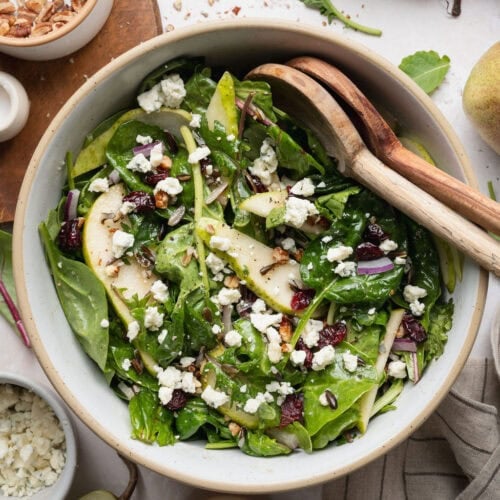
- Toss with salad greens. My homemade balsamic vinaigrette adds so much flavor to simple mixed green salad, spinach, arugula, or a combination of favorite vegetables. A drizzle of dressing is often all it takes to make a salad recipe feel complete.
- Serve it with pear salad: This is the dressing I serve with my pear salad, and the tangy balsamic flavor complements the sweet, juicy pears and fresh greens so well.
- Use on caprese salad: Balsamic vinaigrette is a delicious way to dress up fresh tomatoes, mozzarella, and basil. Try it instead of balsamic glaze in this classic caprese salad.
- Toss with a quinoa: The sweet-tangy dressing works well with fruit, greens, and creamy cheese, like in this quinoa arugula salad with peaches and goat cheese.
- Drizzle over roasted vegetables: Balsamic and roasted vegetables are a classic combination. So I think this vinaigrette is a great fit for pairing with these balsamic roasted vegetables.
- Add it to a chicken salad: I love the combination of balsamic, fruit, and chicken, like in this strawberry spinach chicken salad. It’s also a nice complement to pasta salad.
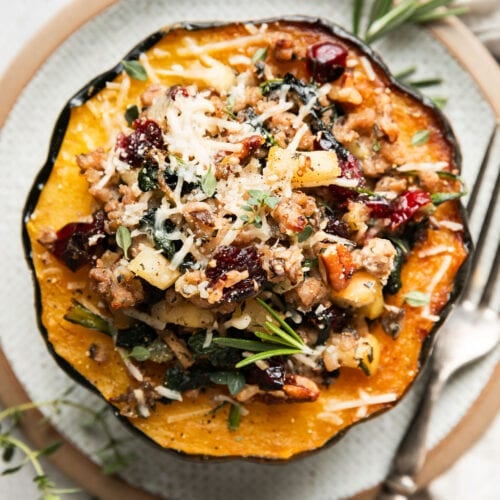
- Use it as a marinade: This vinaigrette can also be used to marinate vegetables or chicken before roasting, grilling, or baking. The balsamic vinegar adds flavor, while the olive oil helps coat the ingredients, like in this marinated balsamic chicken veggie bake recipe.
Storing Leftovers
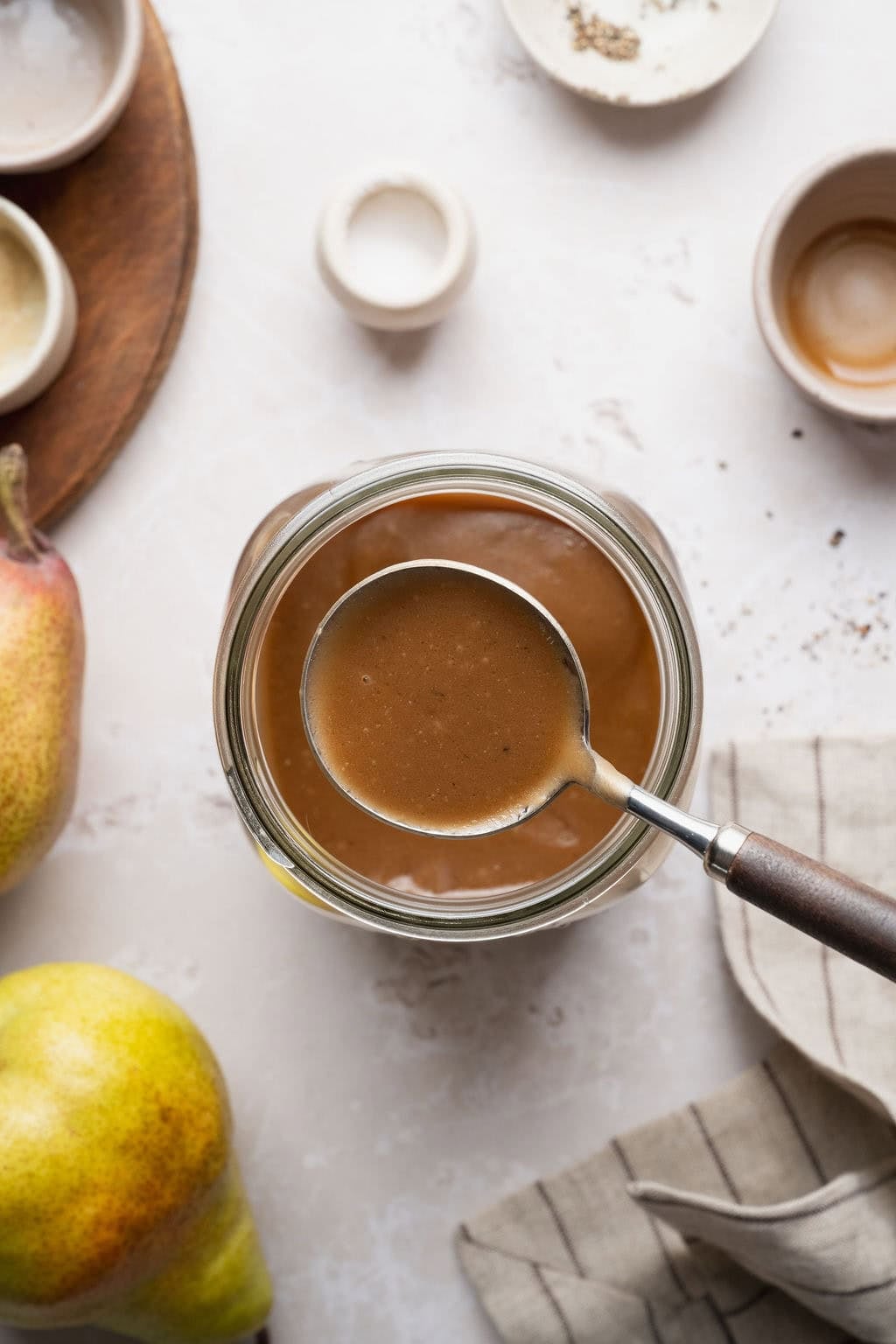
Store this homemade balsamic vinaigrette in a small mason jar with a tight-fitting lid. It will last in the refrigerator for up to 2 weeks. The vinaigrette may solidify once chilled because of the olive oil. If that happens, run warm water over the jar until the dressing loosens, then shake it well before serving.
Frequently Asked Questions
Balsamic vinegar is a single ingredient made from grape must, while balsamic vinaigrette is a dressing made with balsamic vinegar, oil, and other ingredients, such as Dijon mustard, sweetener, and seasonings like dried thyme or oregano. Balsamic vinegar is tangy and concentrated, whereas balsamic vinaigrette is typically smoother, richer, sweeter, and ready to drizzle over salads or use as a marinade.
Yes, it can be omitted. Dijon mustard adds flavor and acidity and it also helps emulsify the dressing, but this recipe is also great without it. The vinaigrette will be a little less creamy. And may separate more quickly, so just give it a good shake before serving.
Yes, I think pure maple syrup is a great option to use instead of honey. And if you prefer no sweetener, feel free to leave it out.
As a dressing option, this homemade vinaigrette is a suitable healthy option to fit in a balanced diet. Extra-virgin olive oil provides primarily heart-healthy monounsaturated fats, while balsamic vinegar adds flavor with minimal calories per tablespoon. As a registered dietitian, I love making homemade dressings. They’re an easy way to add flavor to vegetables and salads without requiring a long ingredient list.
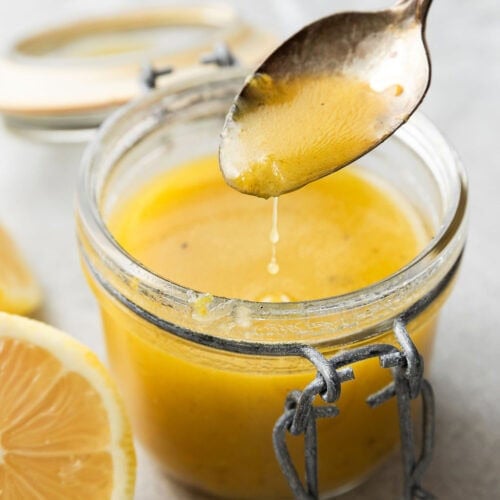
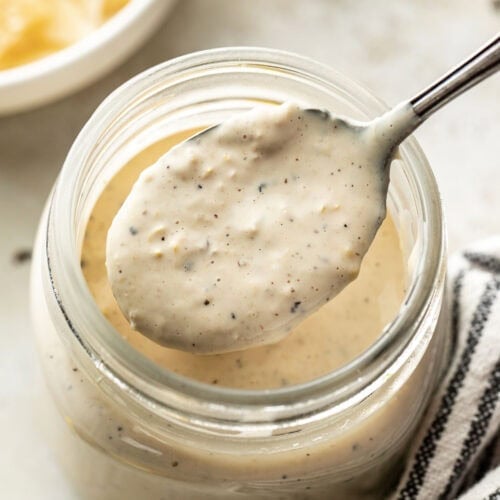
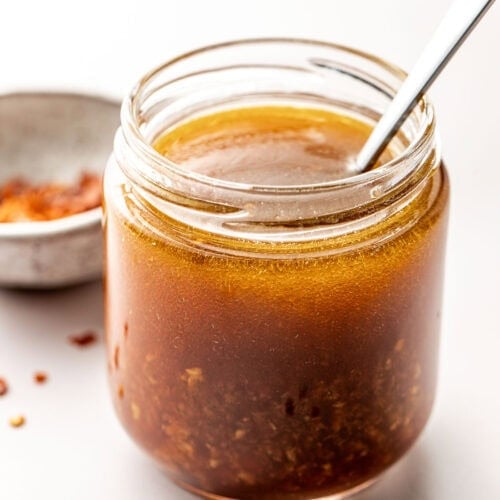
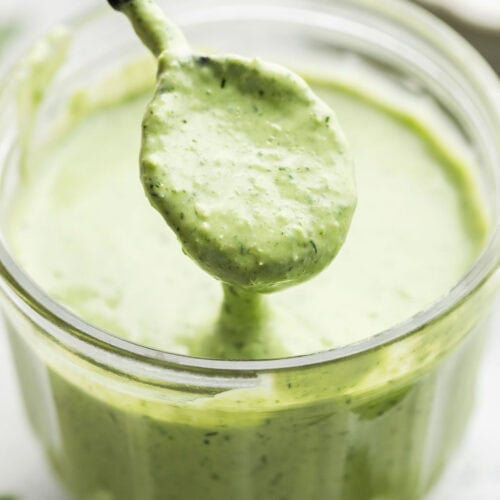
More Dressings And Vinaigrettes You’ll Love
Want to save this recipe?
Enter your email below & we’ll send it straight to your inbox. Plus you’ll get great new recipes from us every week!
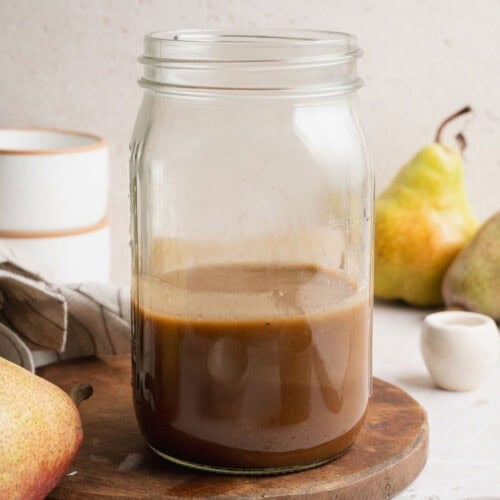
Homemade Balsamic Vinaigrette Recipe
This homemade vinaigrette is a quick, flavorful dressing that’s fast and so much better than store-bought balsamic vinaigrettes. It’s perfect for drizzling over salads and roasted vegetables, and also doubles as a marinade.
Ingredients
- ⅔ cup extra-virgin olive oil
- ¼ cup balsamic vinegar
- 2 tablespoon pure maple syrup or pure honey
- 2 teaspoon Dijon mustard
- 2 small garlic cloves, minced
- ½ teaspoon fine salt
- ¼ teaspoon black pepper
Instructions
- To a small bowl or small jar with a tight-fitting lid, add the olive oil, balsamic vinegar, maple syrup, mustard, garlic, salt, and pepper. Using a small handheld immersion blender, blend the ingredients until smooth and creamy. Alternatively, you could blend it in a small food processor, whisk it vigorously, or shake it up in a tightly covered jar.
- Store the vinaigrette in a covered jar or airtight container in the refrigerator for up to 2 weeks.
Last Step! Please leave a review and rating letting us know how you liked this recipe! This helps our business thrive so we can continue providing free recipes and high-quality content for you.
Notes
The vinaigrette may solidify once chilled. If this happens, run warm water over the jar then shake it again.
Nutrition Information
- Serving Size: 1 tablespoon
- Calories: 93
- Fat: 9 g
- (Sat Fat: 1 g)
- Sodium: 85 mg
- Carbohydrate: 3 g
- (Fiber: 0 g
- Sugar: 3 g)
- Protein: 0 g
- Cholesterol: 0 mg
Dietary
The photos in this post were taken by Kaitlin of Creating Kaitlin.
For ultimate success, we highly recommend reading the tips in the full blog post above. All photos and content are copyright protected. Please do not use our photos without prior written permission. If you wish to republish a recipe, please rewrite the recipe in your own unique words. Link back to the source recipe here on The Real Food Dietitians. Thank you!