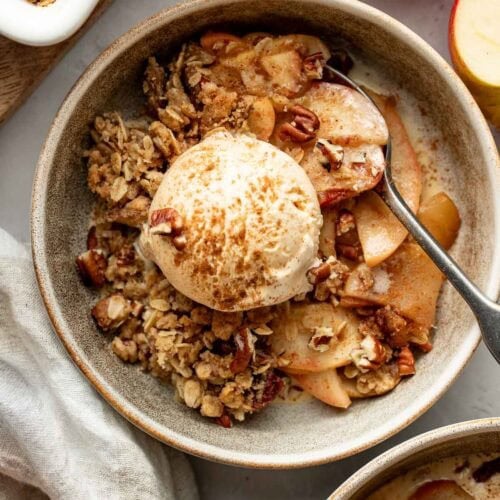
As a dietitian who loves real food, I typically take a food-focused approach to getting the nutrients I need. That means adding nutrient-rich foods to my diet to ensure I’m getting enough of the vitamins and minerals that support my health. It works well for me, since most of the recipes I cook are loaded with vegetables, proteins, healthy fats, fruits, and other whole foods.
Vitamin D, however, can be a bit trickier than many other nutrients, as it isn’t found in high amounts in lots of foods.
That doesn’t mean I don’t want to try to eat the few foods that actually do have vitamin D. Some contain it naturally, while some foods are fortified with Vitamin D, an essential fat-soluble vitamin. It supports calcium absorption, helps keep bones strong, improves muscle function, aids immune function, and may even slow tumor progression.

As I’ve been going through perimenopause, I have been learning to support my body in new ways. Research shows that women with low vitamin D levels can have more severe symptoms during menopause. Declining estrogen levels can weaken bones and also make it more difficult for the body to process and absorb vitamin D. That double blow to bone health has me more focused than ever on vitamin D-rich foods.
Vitamin D can be obtained through food, sun exposure, and supplements. Many people ask me for nutrition tips, and one of the questions I get frequently is about vitamin D. Here are the foods I’ve researched and include in my diet regularly to help give me enough vitamin D.
Fatty Fish And Seafood
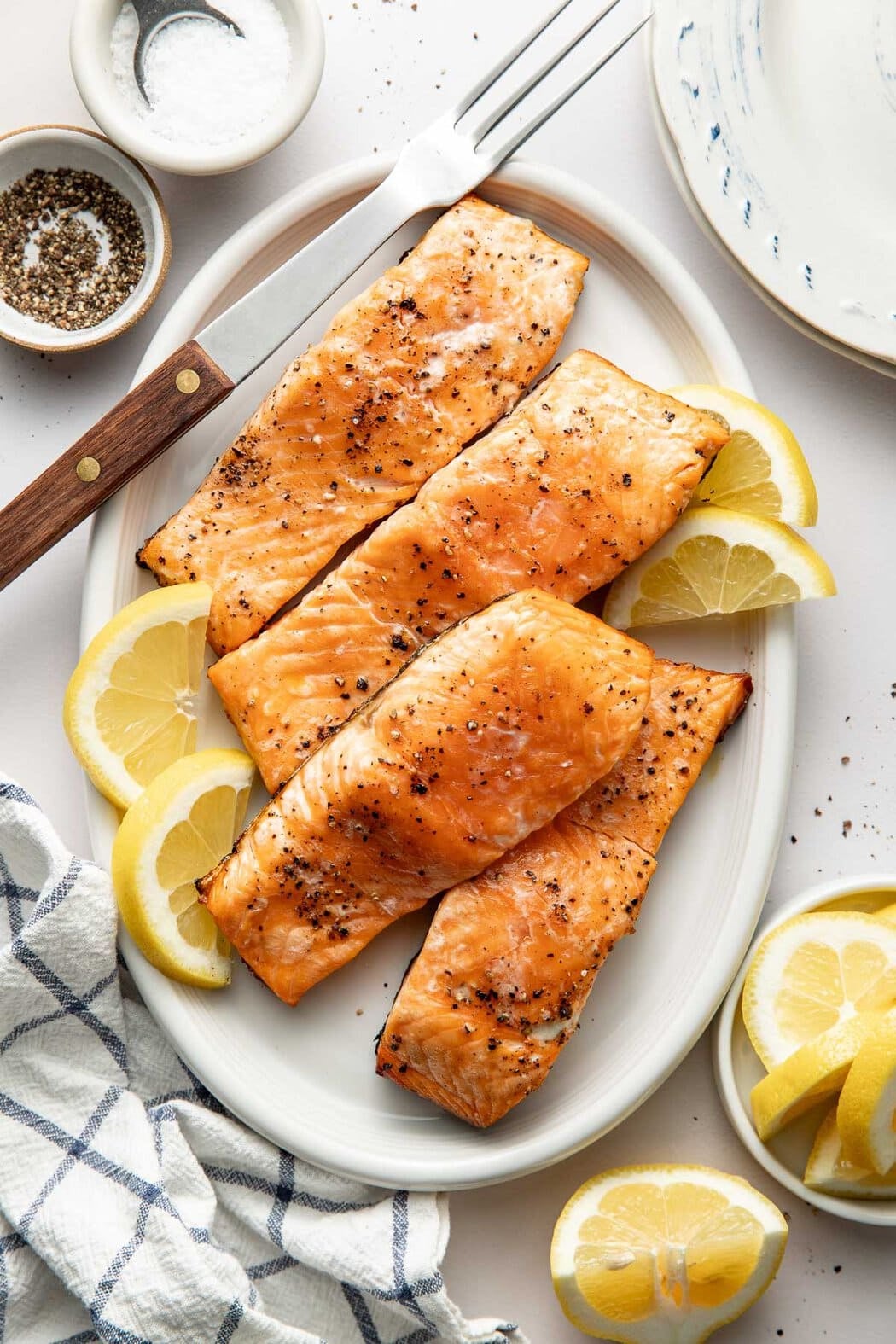
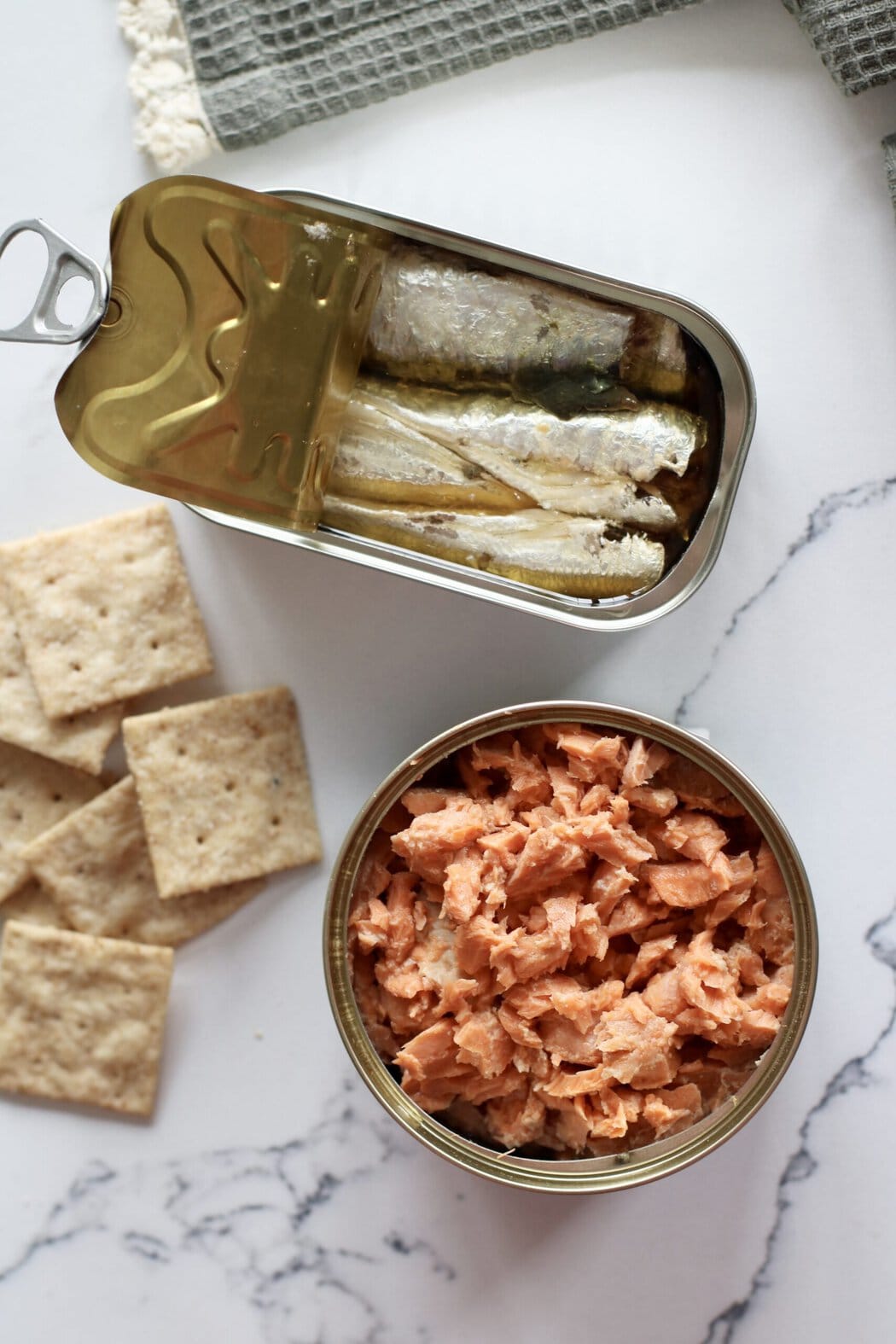
Fish and seafood are some of my favorite foods to reach for and fatty fish happen to be one of the top natural food sources of vitamin D. They contain mostly vitamin D3, or cholecalciferol. These fish also give me a boost of omega-3 fatty acids, healthy fats that are anti-inflammatory and help protect my heart. I enjoy choosing fish as a protein source, which helps fill me up, support my muscles, and balance out my meals. If I’m choosing fish with tiny edible bones, like canned salmon and sardines, my body also gets a dose of calcium.
I often make my miso-glazed salmon, teriyaki salmon bowls, or these easy tuna patties for quick weeknight dinners. The following seafood contains the highest amounts of vitamin D.
- Trout: 12 mcg (480 IU) per 3 ounces cooked
- Salmon: 8.3 mcg (332 IU) per 3 ounces cooked
- Mackerel: 6.8 (272 IU) mcg per 3 ounces cooked
- Herring: 2.7 mcg (108 IU) per 3 ounces cooked
- Sardines: 4.1 mcg (163 IU) per 3 ounces cooked
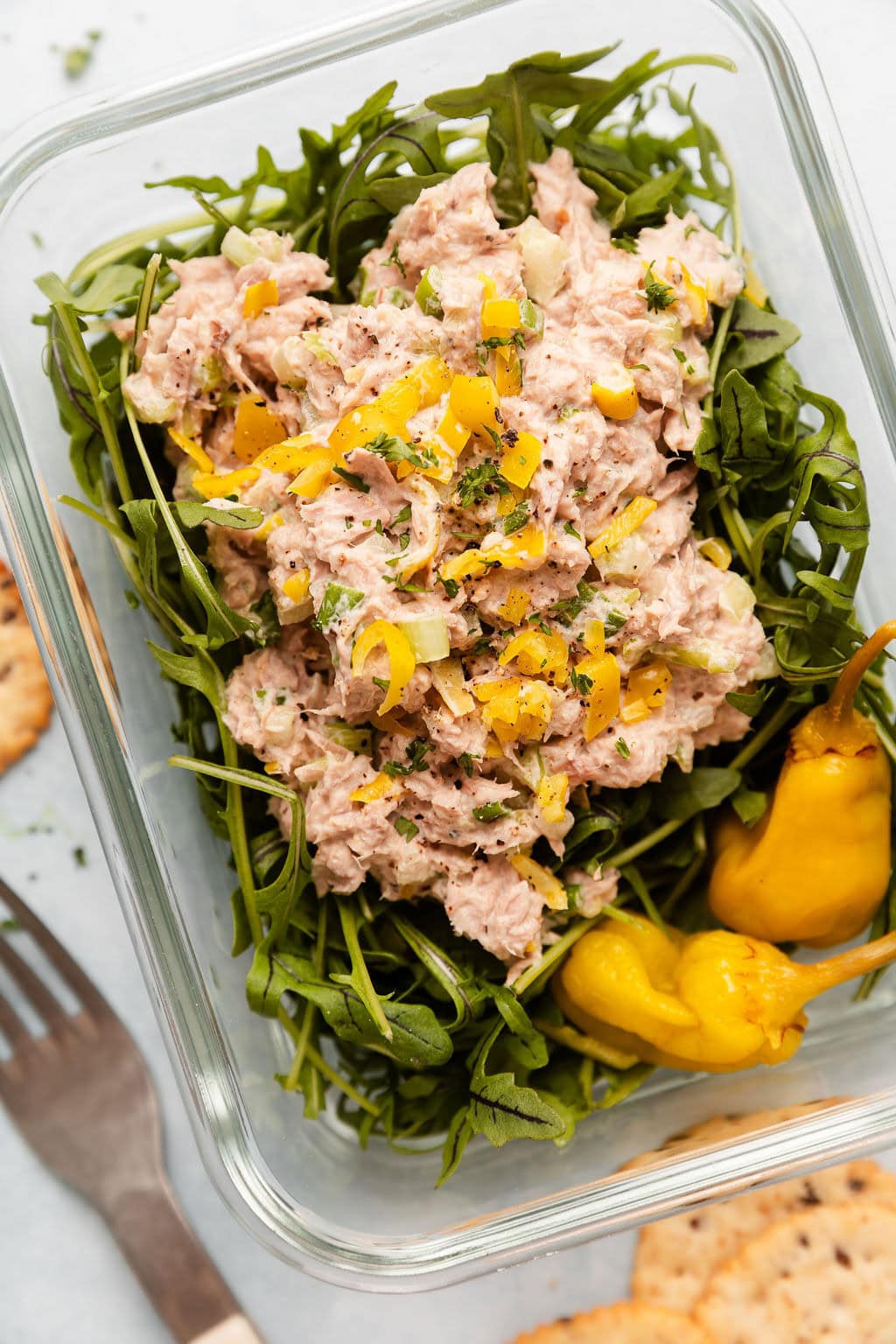
- Canned Tuna: 1 mcg (40 IU) per 3 ounces cooked
Eggs, Liver, And Other Animal Foods
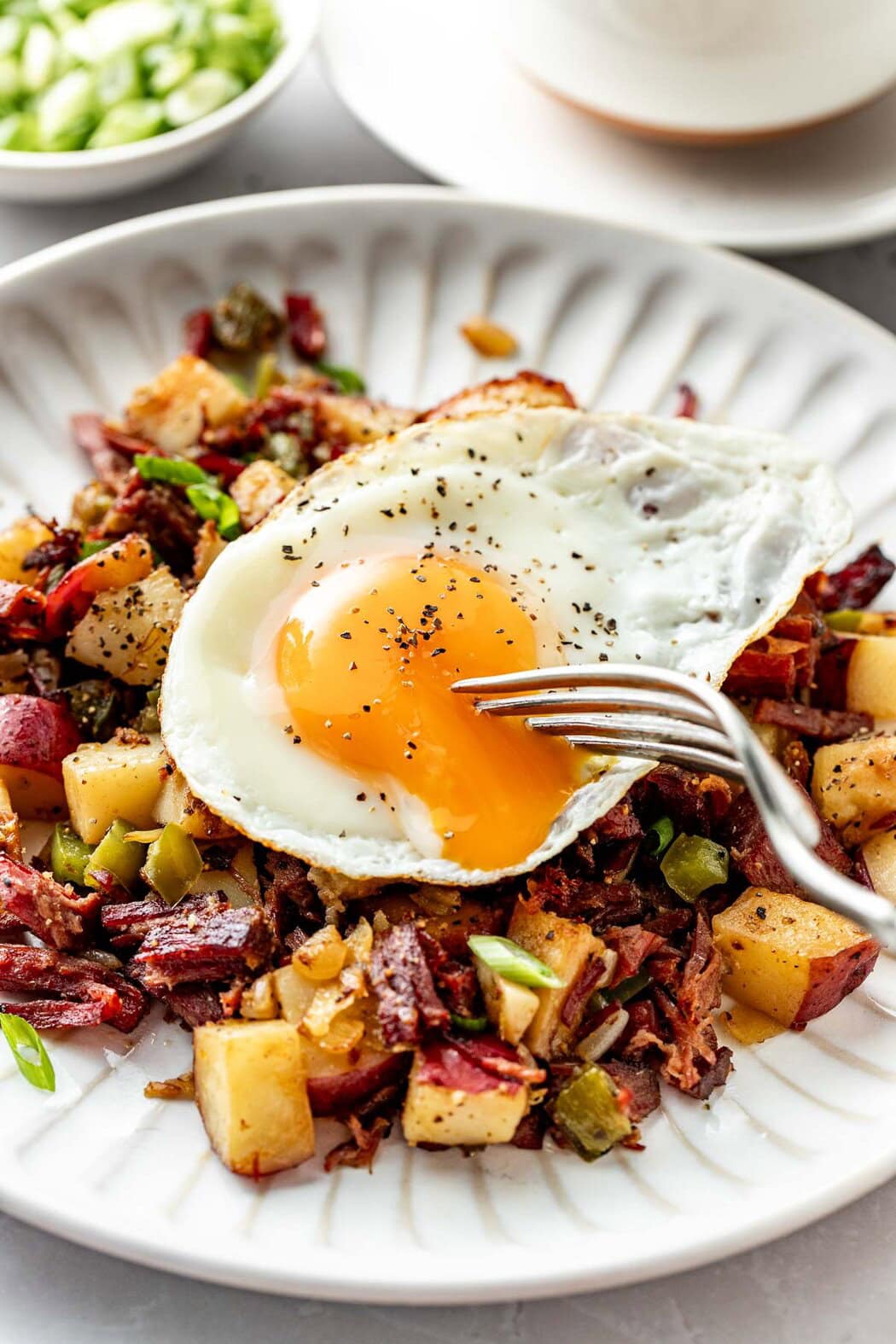
Some animal foods contain small amounts of vitamin D. Animals, like chickens or cows, eat foods with vitamin D and some gets stored in their bodies.
That’s the same way some vitamin D gets into eggs. The yolk is where vitamin D lives and it also contains some of the protein and other vitamins and nutrients. While egg yolks naturally have some vitamin D, there are also many brands fortifying eggs with vitamin D. Those eggs deliver more than the typical 50 IU per egg.
Beef liver, cheese, and chicken all contain small amounts of vitamin D, but I’m not relying on them to hit my vitamin D intake. I do include lots of animal proteins in my diet to help me hit my protein goals and because they are often a source of other nutrients, like iron and B vitamins.
- Egg yolk: 1.2 mcg (50 IU) per egg
- Beef liver: 0.75 mcg (30 IU) per 3 ounces
- Cheddar cheese: 0.13 mcg (5 IU) per ounce
- Chicken thighs: 0.17 mcg (6 IU) per 3 ounces
Mushrooms

Mushrooms are one of the only plant sources of natural vitamin D. What’s neat is that just like people, mushrooms can actually make their own vitamin D from sunlight. When mushrooms are exposed to UV light, they generate significant amounts of vitamin D (most of it as vitamin D2), also called ergocalciferol.
Researchers first discovered this comparing wild grown mushrooms that had plenty of sunlight, to ones that were grown in darkness. Just 15-20 minutes of sunlight helps mushrooms generate 10 mcg (400 IU) of vitamin D per serving, compared to around 1 mcg (40 IU) without the sunshine. And mushrooms exposed to UV light, a more concentrated source, can actually get closer to 40 mcg (1600 IU) of vitamin D. The amount varies depending on the type of mushroom and how much exposure it had.
I l look for “UV-treated” or “High Vitamin D” on the package to find mushrooms that have more vitamin D. Mushrooms have a nice earthy flavor and also deliver B vitamins and other minerals in addition to vitamin D. I like to add mushrooms to my turkey bolognese for a hearty meal, use them as a hearty sandwich filling in Greek gyros with portobello mushrooms, or include them in taco night, like in these vegan enchiladas.
Fortified Foods And Drinks

It may not seem like dairy milk, tofu and cereal have a lot in common—but they can all be fortified with vitamin D and help contribute to daily intake. The amount of vitamin D, along with other nutrition numbers, will vary depending on the brand, so I always recommend checking the label to see what’s included. Many brands fortify with calcium and vitamin D, along with other nutrients, so many of these products are a good pick for bone health. Oat milk, almond milk, soy milk, and other non-dairy milks all come in fortified versions. I include fortified soy milk regularly in my diet, add kefir to smoothies, and often compare products to find fortified options with a bit more vitamin D.
- Whole cow’s milk: 2.4 mcg (96 IU) per one-cup serving
- Fortified soy milk: 1.7 mcg (68 IU) per one-cup serving
- Fortified almond milk: 2.6 mcg (107 IU) per one-cup serving
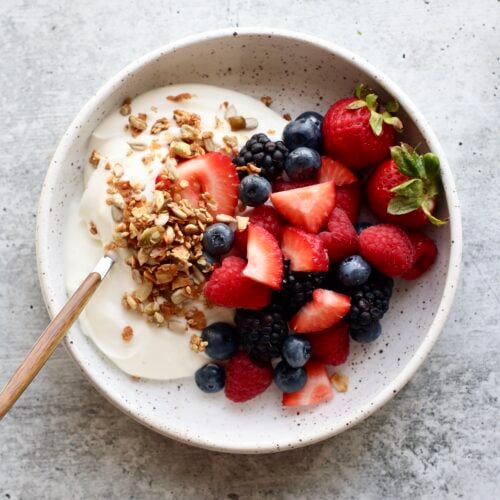
- Yogurt: 1.3 mcg (53 IU) per ¾ cup serving
- Kefir: 2.4 mcg (100 IU)
- Cereal: 1 mcg (40 IU) per ¾ cup serving
- Fortified orange juice: 2.5 mcg (100 IU) per one-cup serving
- Fortified tofu: 2.1 mcg (86 IU) per 3 ounces
Vegetarian And Dairy-Free Options
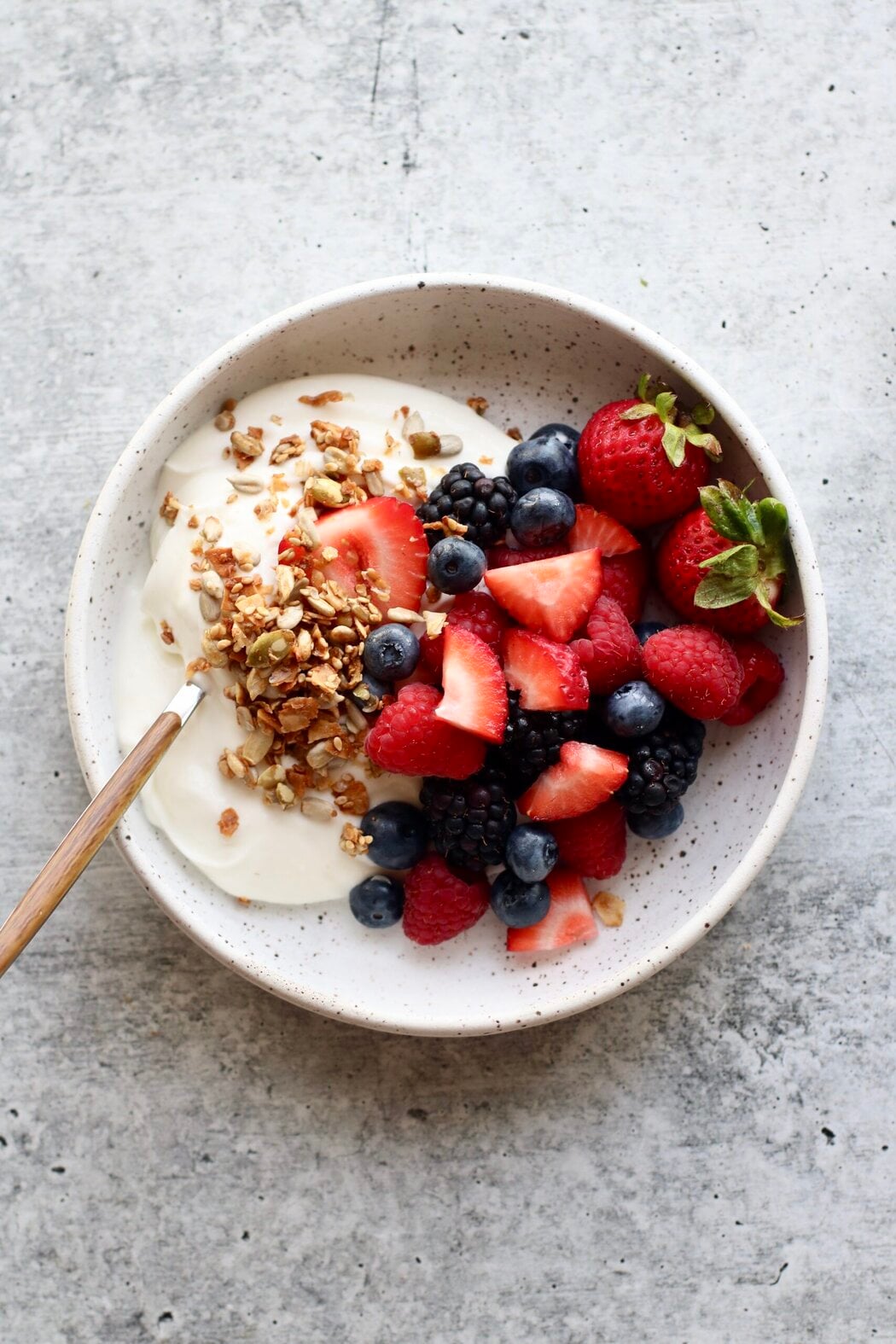
For vegetarians, vegans and people who avoid dairy, getting enough vitamin D may feel limiting. Many of the better food sources of the vitamin are fish, eggs, and dairy products.
There is good news though. Many plant-based products, like non-dairy milks and yogurts, cereals, tofu, and UV-fortified mushrooms, can deliver a decent dose of vitamin D. Vegetarians who include milk, yogurt and eggs (called (lacto-ovo vegetarians), may get a good amount through those foods. Those who are dairy-free might reach for more fatty fish for a vitamin D boost. The other way to get vitamin D, without dairy or animal products, is through sunshine.
Easy Ways To Add More Vitamin D To Meals
Since there aren’t a lot of food sources of vitamin D it may feel tricky to get enough from diet alone. However, I still make a conscious effort to include meals and snacks that deliver vitamin D throughout the week. These healthy habits add up throughout the week to help me get more vitamin D.
- Meal prep egg bites for busy mornings. They can be an easy way to sneak more vitamin D and protein in.
- Have a weekly salmon dinner. Salmon makes it onto my meal plan weekly for both the omega-3 and vitamin D benefits. I’m partial to these air fryer salmon bites and also love making these salmon Caesar salad grain bowls.
- Keep canned fish on hand. Tuna and sardines are pantry staples for me. They’re easy to add to salads, sandwiches, and other meals and provide lots of nutrients, including vitamin D. Tuna pasta salad is an easy meal that’s always a hit in my house.
- Snack on fortified breakfast cereals I don’t always have cereal at breakfast, but for a hearty snack I love pairing a fortified-whole grain cereal with some fortified soy milk for a vitamin D boost.
- Add mushrooms to meals. Mushrooms can be a bit polarizing, but i look for the high vitamin D options at the store and add them to tacos, pasta dishes, stir-fries, and more. They work really well in casseroles and dishes like shepherd’s pie.
Can Food Provide Enough?
The recommended dietary allowances or RDA for vitamin D in both micrograms and international units, according to the National Institutes of Health are:
- 10 mcg (400 IU) from birth to 12 months
- 15 mcg (600 IU) for children and teens 1-18
- 15 mcg (600 IU) for adults 19-70 years
- 20 mcg (800 IU) for adults 71 and old
- 15 mcg (600 IU) during pregnancy and breastfeeding
Some experts advise getting even more. The International Osteoporosis Foundation encourages adults over 60 to get 20-25 mcg (800-1000 IU) to support bones and muscle strength. Too much vitamin D, or vitamin D toxicity, can also cause nausea, vomiting, dehydration and even kidney stones. The upper limit for vitamin D is 100 mcg (4,000 IU) for adults.
Technically food can provide enough, but it can be really challenging to meet vitamin D needs through food alone. Most of the foods on this list contain some, but not a very substantial amount.
The body can make its own vitamin D when skin is exposed to sunlight, which is why it’s sometimes called the “sunshine vitamin”. Skin color, clothing, and the time of year (ie: winter) can all impact how much the body produces. Dietary supplements are also an option to get more. I regularly test my levels of vitamin D so I know if I’m getting enough to support my bones, immune system and mood.
Frequently Asked Questions
Many foods contain calcium as well as vitamin D, which are beneficial nutrients for bone health. Fortified dairy and non-dairy milks are good sources of both. Fatty fish with bones included, such as canned salmon and sardines, can also supply both. Other fortified foods, like cereals and orange juice, often have both calcium and vitamin D added.
Getting your blood level checked, to see how much vitamin D your body has, is the best place to start to see if supplementation with vitamin D is necessary for you. Some people, like those who are vegan, dairy-free, or who do not get a lot of sunlight exposure, may be at greater risk for vitamin D deficiency.
Many people with vitamin D deficiency do not have any symptoms. Not getting enough vitamin D can increase risk of osteoporosis and bone fractures. Those who do not get enough vitamin D over time may see signs of bone pain, weakness, fatigue and muscle twitching and can develop osteomalacia. Children who do not get enough vitamin D may be tired, developmentally delayed, irritable, and develop rickets, a bone disease that causes weak bones and bowed legs.

For ultimate success, we highly recommend reading the tips in the full blog post above. All photos and content are copyright protected. Please do not use our photos without prior written permission. If you wish to republish a recipe, please rewrite the recipe in your own unique words. Link back to the source recipe here on The Real Food Dietitians. Thank you!