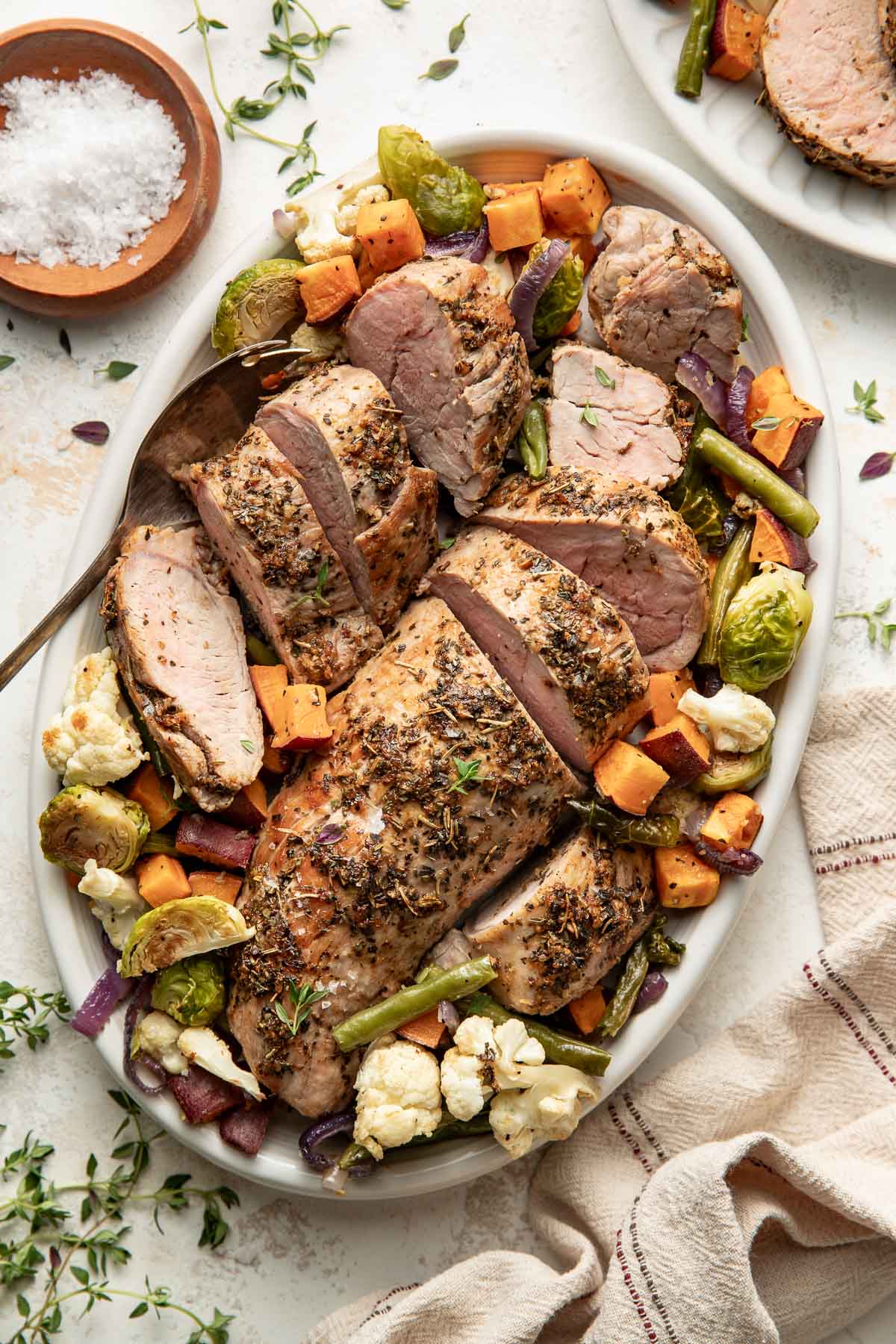
This oven-roasted pork tenderloin is one of my go-to ways to cook pork, especially during the cooler months when a cozy, flavorful dinner sounds especially good. I love that pork tenderloin is lean, high in protein, and cooks quickly, while this sear-and-roast method creates a beautiful golden outer crust that keeps the inside tender and juicy. Seasoned with a simple blend of garlic, Italian seasoning, paprika, salt, and pepper, this dinner feels a little elevated while still being incredibly easy to make on a weeknight in just 30 minutes flat.
Recipe Highlights
Simple ingredients, big flavor. I use a handful of pantry seasonings to create a savory, garlicky crust that makes this pork taste so delicious. No marinade or brown sugar necessary!
Golden on the outside, juicy on the inside. Searing the pork before transferring it to the oven gives the exterior a nice golden color and flavor while the gentle oven heat finishes the tenderloin without drying it out.
A quick weeknight protein. Pork tenderloin cooks much faster than larger cuts of pork, so this recipe can go from my kitchen counter to my dinner table in just 30 minutes.
Perfect for meal prep. I love having leftover sliced pork tenderloin in the refrigerator as a make-ahead option for easy lunches and dinners. It reheats well as an easy protein to add to salads, sandwiches, and dinner bowls.
Simple Ingredients, Big Flavor
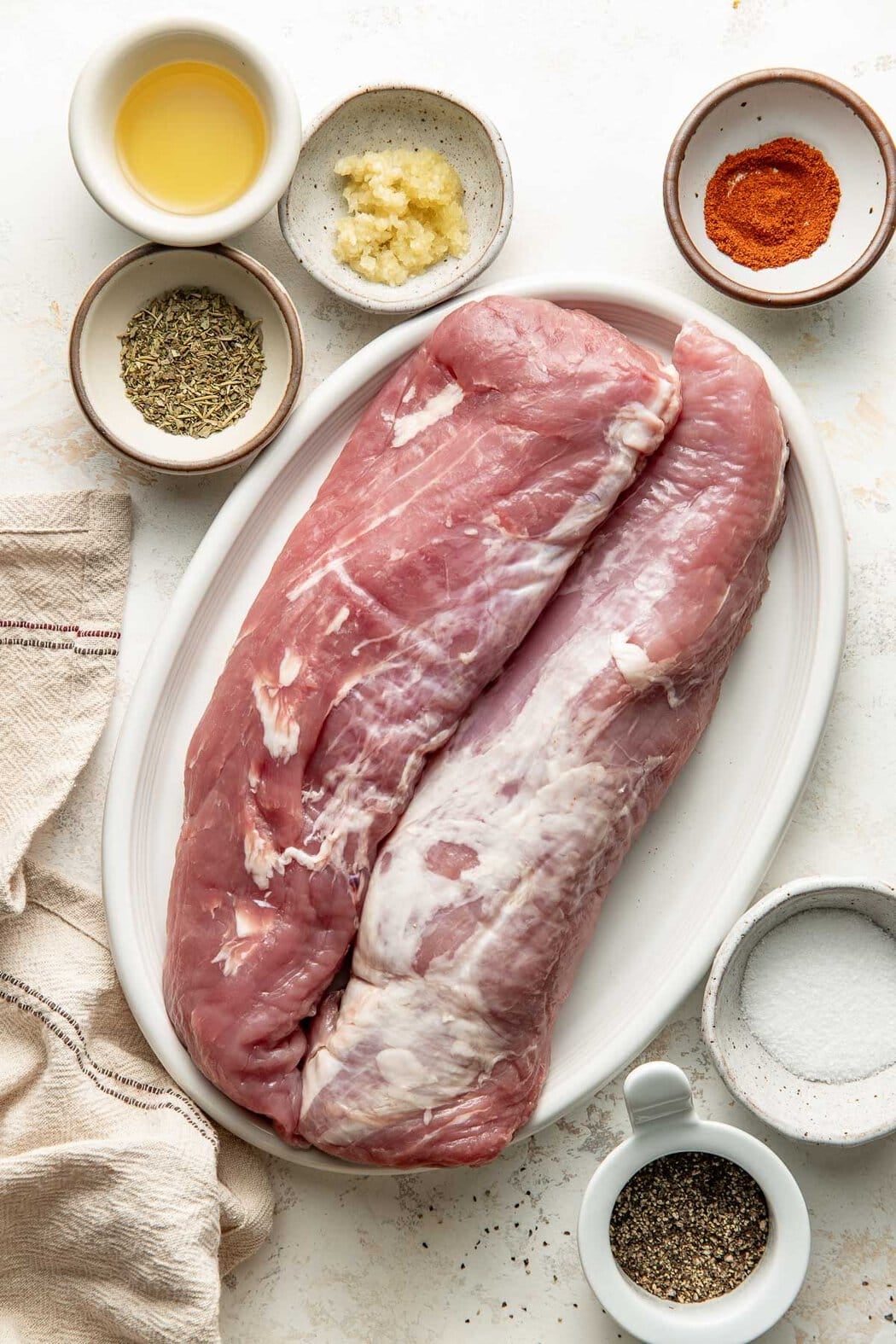
There’s no need to purchase any fancy ingredients or equipment to make this comfort food dinner. Here’s what to gather:
- Pork tenderloin: This is one of my favorite lean protein sources because it is high in protein, cooks quickly, and becomes so tender and juicy when cooked properly. The smaller, narrow shape makes it especially well suited to this sear-and-roast method.
- Avocado oil: I use avocado oil for searing because it has a high smoke point and a neutral flavor, so it lets the pork and seasonings shine. Olive oil, vegetable oil, or melted butter are all fine substitutes.
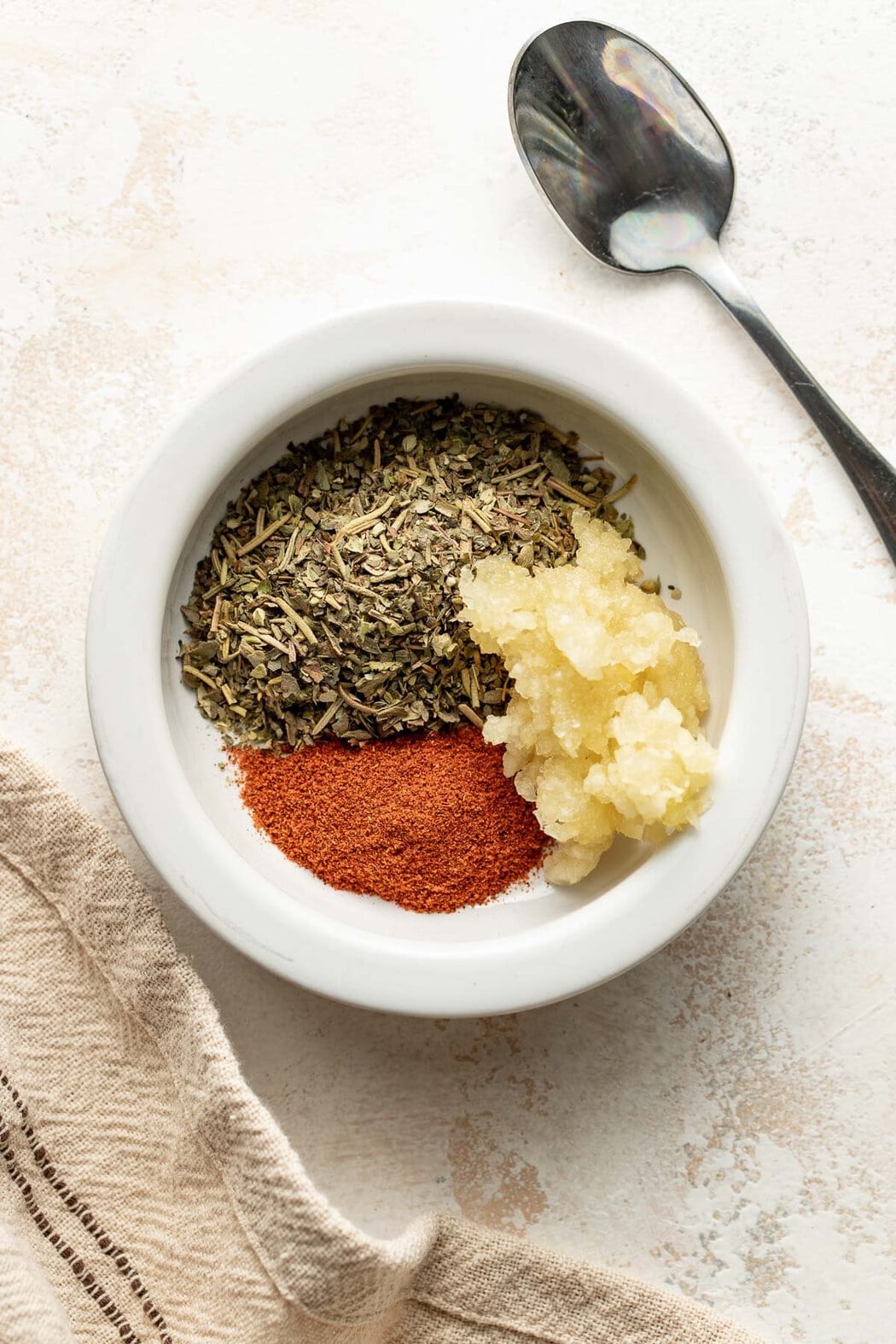
- Garlic: Fresh minced garlic adds a punch of savory flavor to the seasoning mixture and pairs especially well with pork. In a pinch, use 1½ teaspoons of garlic powder or onion powder instead.
- Italian seasoning: This simple dried herb blend adds an herby flavor without requiring a long list of individual spices. In lieu of Italian seasoning, a mix of dried oregano and dried rosemary can be used.
- Paprika: Paprika rounds out the seasoning blend with a mild, slightly sweet flavor and helps create an especially appetizing color on the pork. Smoked paprika also can be used.
- Salt and black pepper: These pantry staples bring the whole seasoning blend together and enhance the natural flavor of the pork. I typically use ground kosher salt and tri-color red, white, and black pepper blend, but pre-ground work just fine.
Find the ingredient list with exact measurements in the recipe card below.
Don’t Mix Up These Two Cuts
Pork tenderloin and pork loin sound like they should be interchangeable, but they are actually two different cuts of pork. Pork tenderloin is a smaller, narrow, boneless cut that is very lean and cooks relatively quickly. Pork loin is much larger and wider and typically needs a longer cooking time.
Because the size, shape, and cooking times are so different, pork loin should not be substituted for pork tenderloin in this recipe. This particular method and cooking time are designed specifically for pork tenderloin.
The Secret To Juicy Results
It’s really simple to make pork tenderloin in the oven – trust me! Here are the three basic steps:
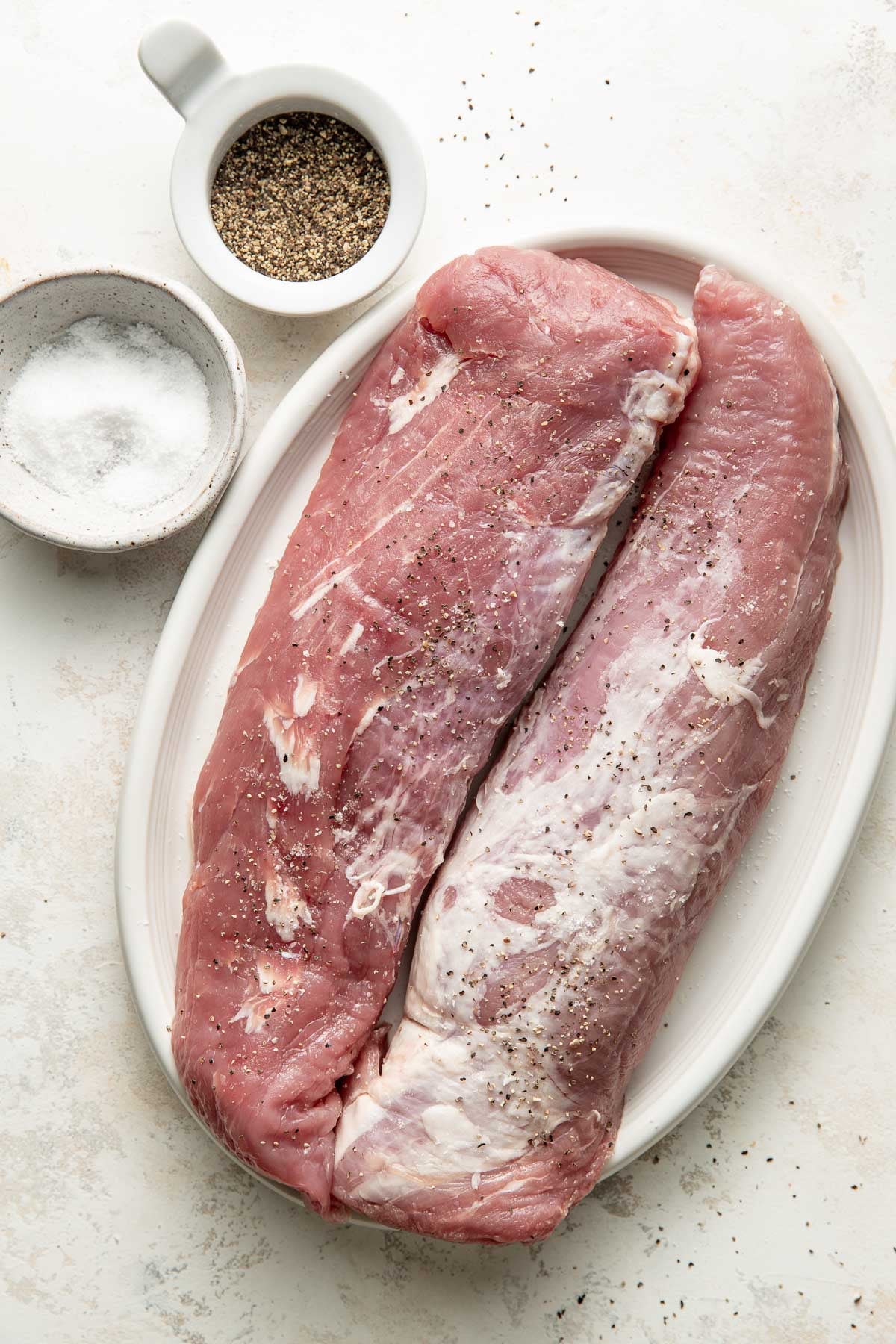
- Pat the pork dry: I start by patting the pork tenderloins very dry with a paper towel. This small step makes a big difference because removing excess moisture helps the pork sear rather than steam, which is what creates that gorgeous golden-brown crust.
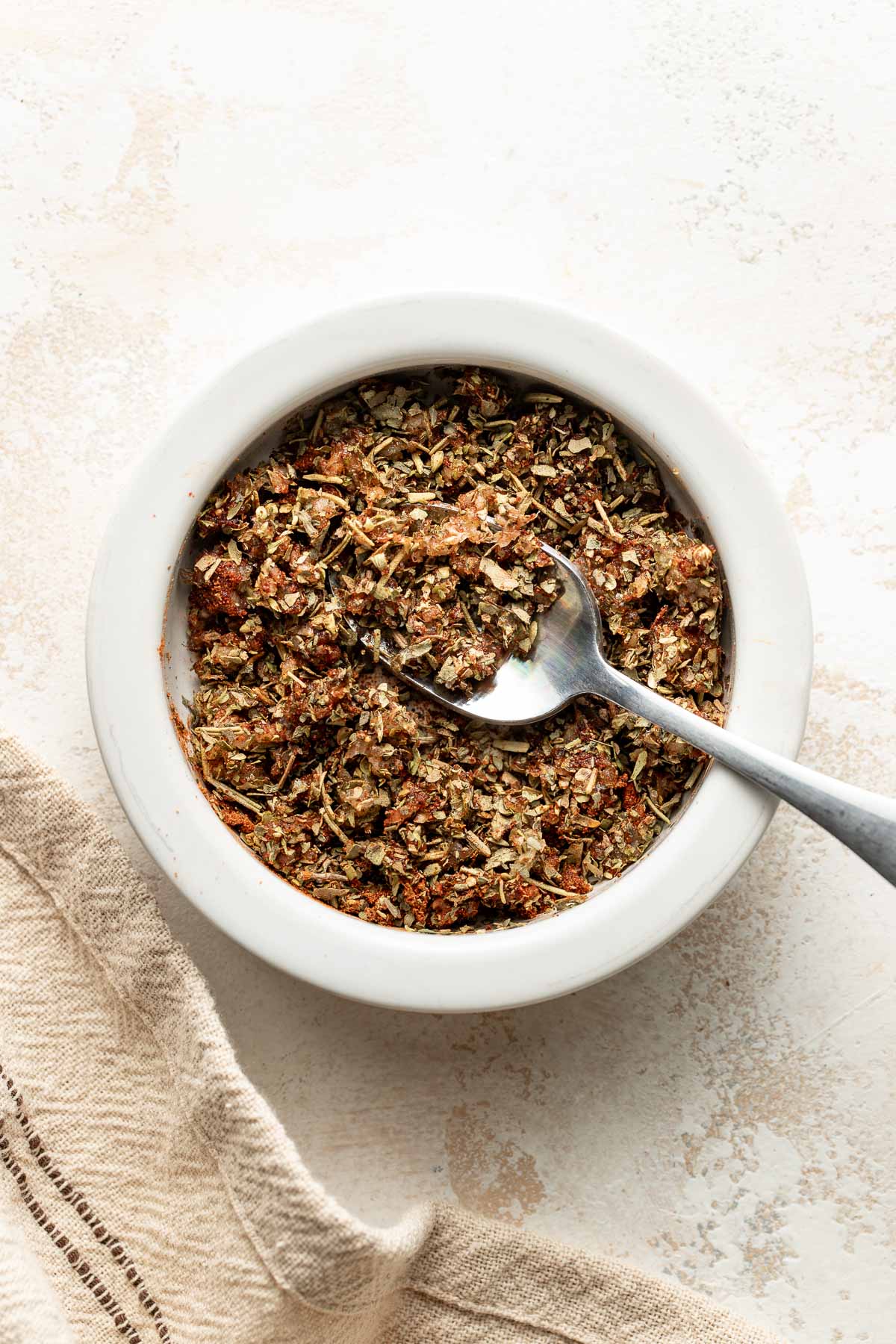
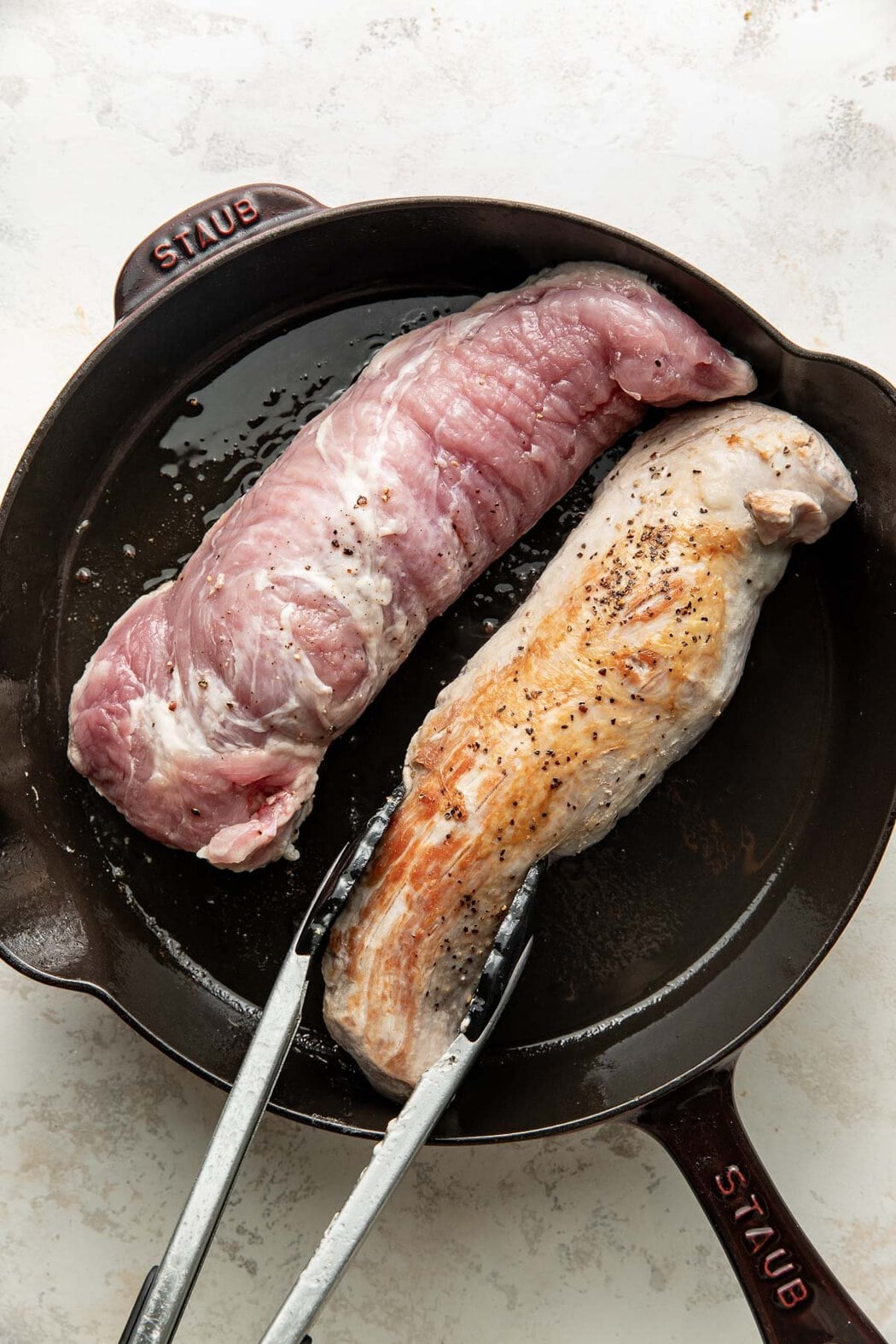
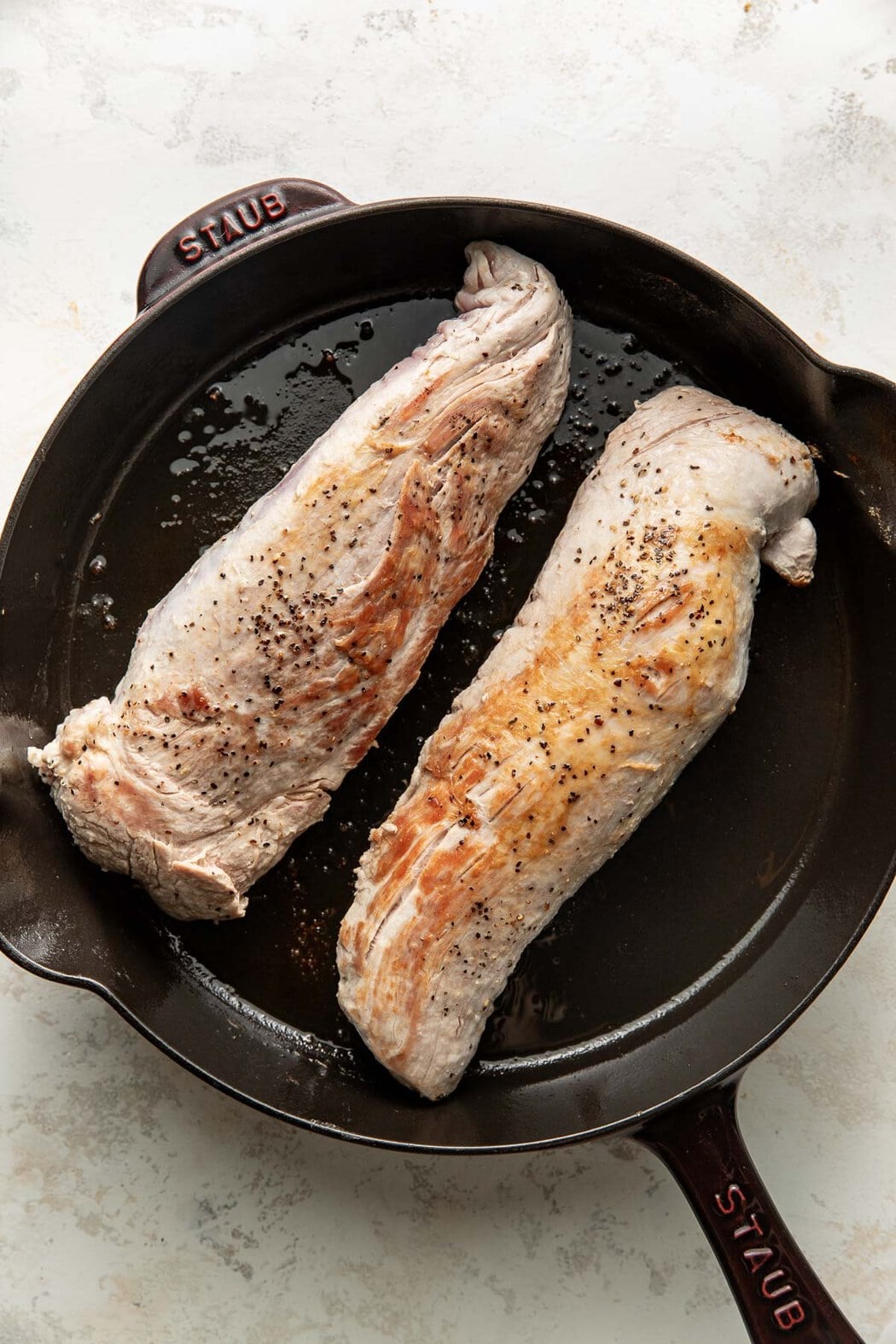
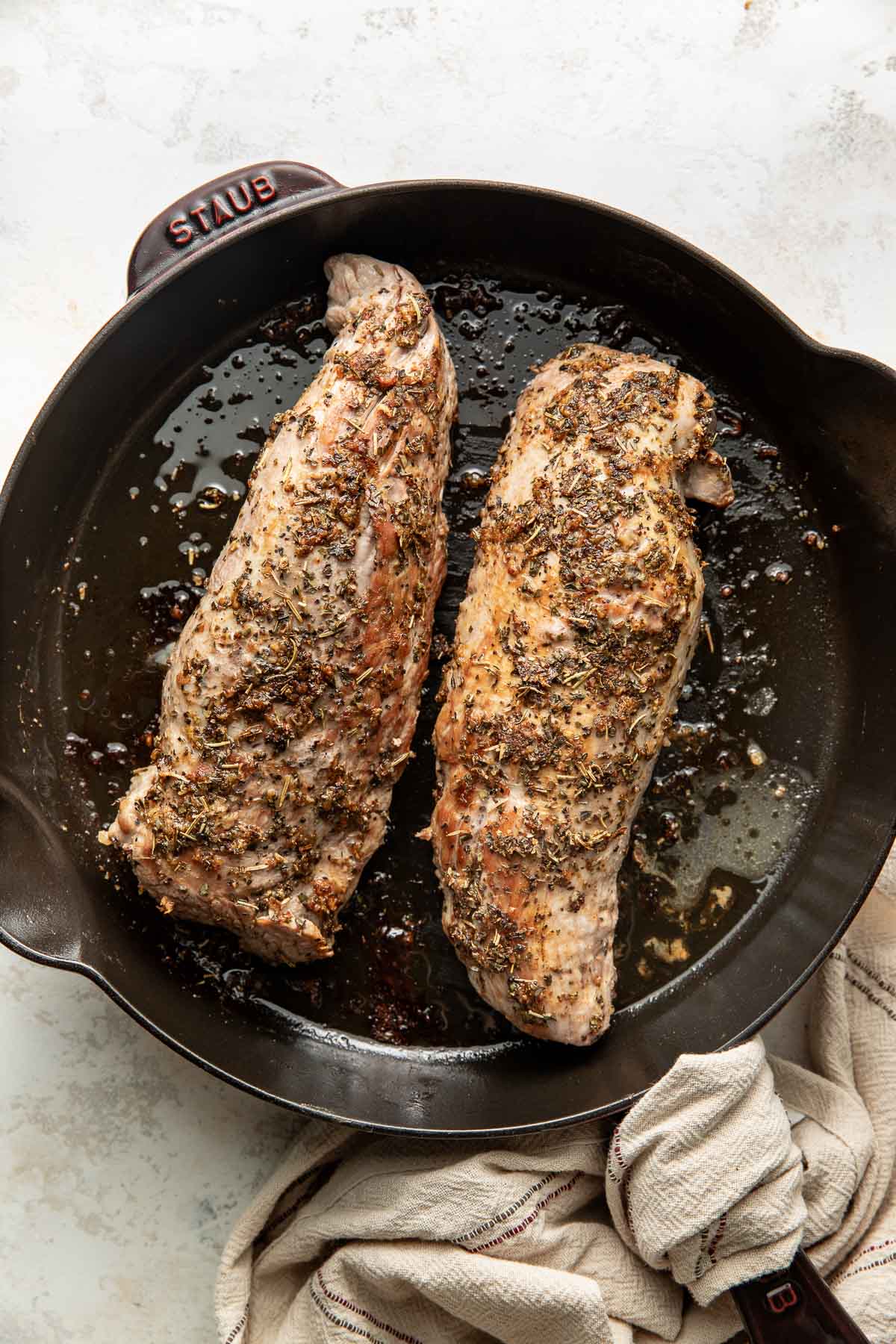
- Sear the pork: Once the skillet and avocado oil are hot, I sear the pork on both sides for a few minutes. I’m looking for a deeply golden exterior rather than trying to cook the pork all the way through on the stovetop. After searing, I remove the skillet from the heat and press the garlic, Italian seasoning, and paprika mixture over the pork. The seasoning sticks beautifully to the warm, slightly crisped exterior.
- Roast the pork: Next, I place the skillet straight into a 375°F oven to finish the cooking. I recommend paying attention to internal temperature rather than relying on the cooking time alone. Pork tenderloins can vary in thickness, so one may reach the ideal temperature a few minutes before another. The finished pork should feel firm but still have some spring when gently pressed, and the center should be juicy and tender. Drizzle the pan juices from the baking dish over top of the pork before serving.
For serving size and the complete directions and ingredient amounts, scroll down to the recipe card below. All of our recipes include the nutrition analysis, listing calories (kcals), protein, carbohydrates/carb, fiber, sugar, sodium, cholesterol, and more per serving.
Use A Meat Thermometer
A reliable instant read thermometer is my best tip for keeping pork tenderloin from turning out dry. Because tenderloin is so lean, cooking it much beyond the ideal temperature can quickly take it from juicy and tender to dry and tough.
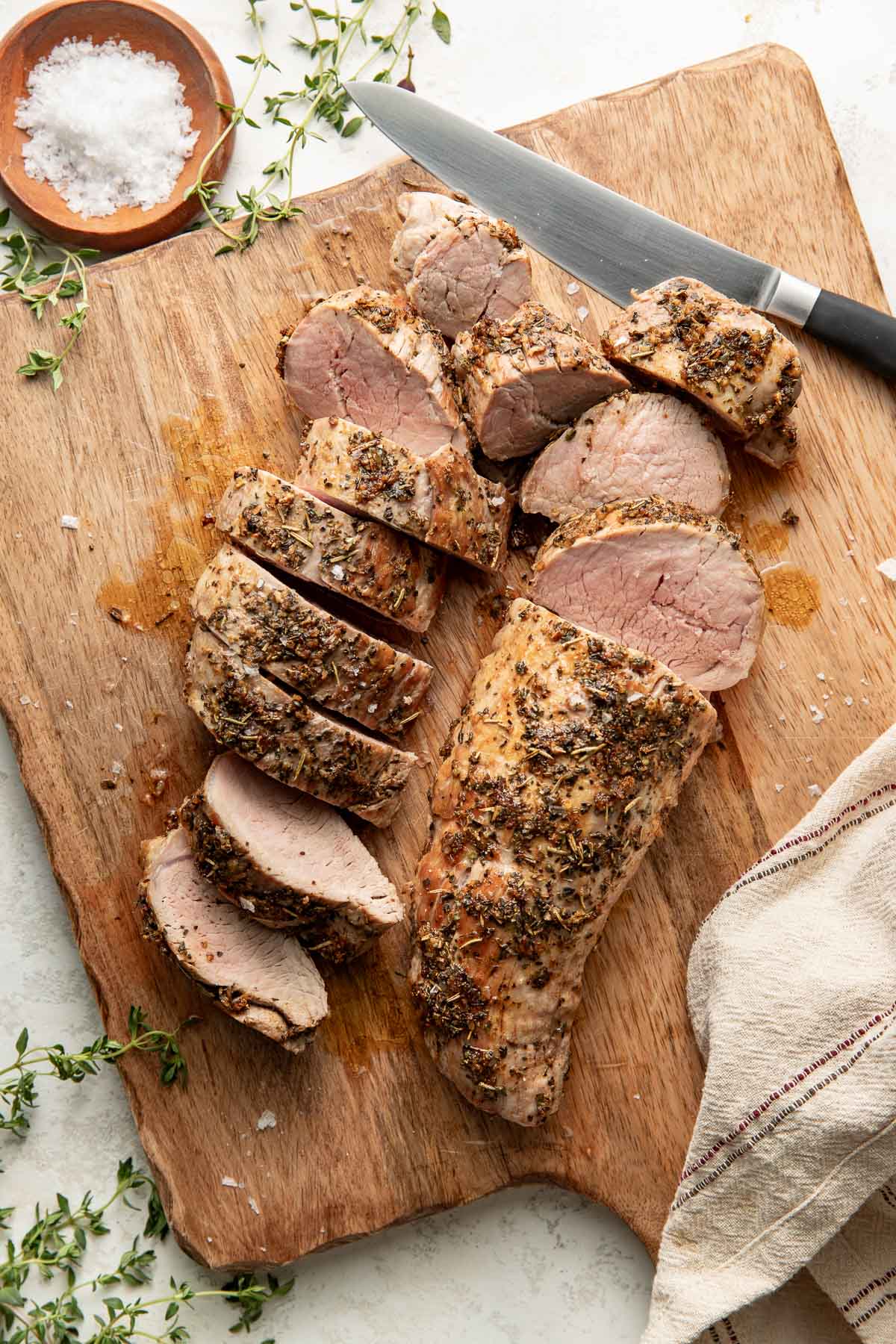
I typically remove the pork from the oven when the thickest part reaches 140°F on the meat thermometer. The internal temperature will continue to rise a few degrees while the pork rests, bringing it into the ideal food-safe temp of 140°F without overcooking it in the oven. I let the tenderloin rest for 5-10 minutes before slicing so the juices can redistribute throughout the meat.
For the most accurate reading, I insert the thermometer into the thickest part of the tenderloin. If the two tenderloins are different sizes or thickness, I check both and use the temperature of the thicker one to determine when they are ready.
Favorite Side Dishes
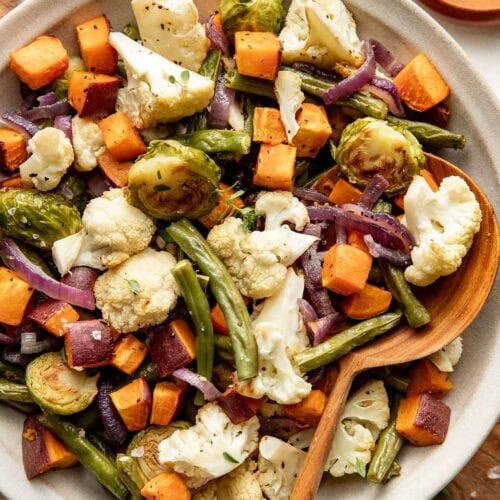
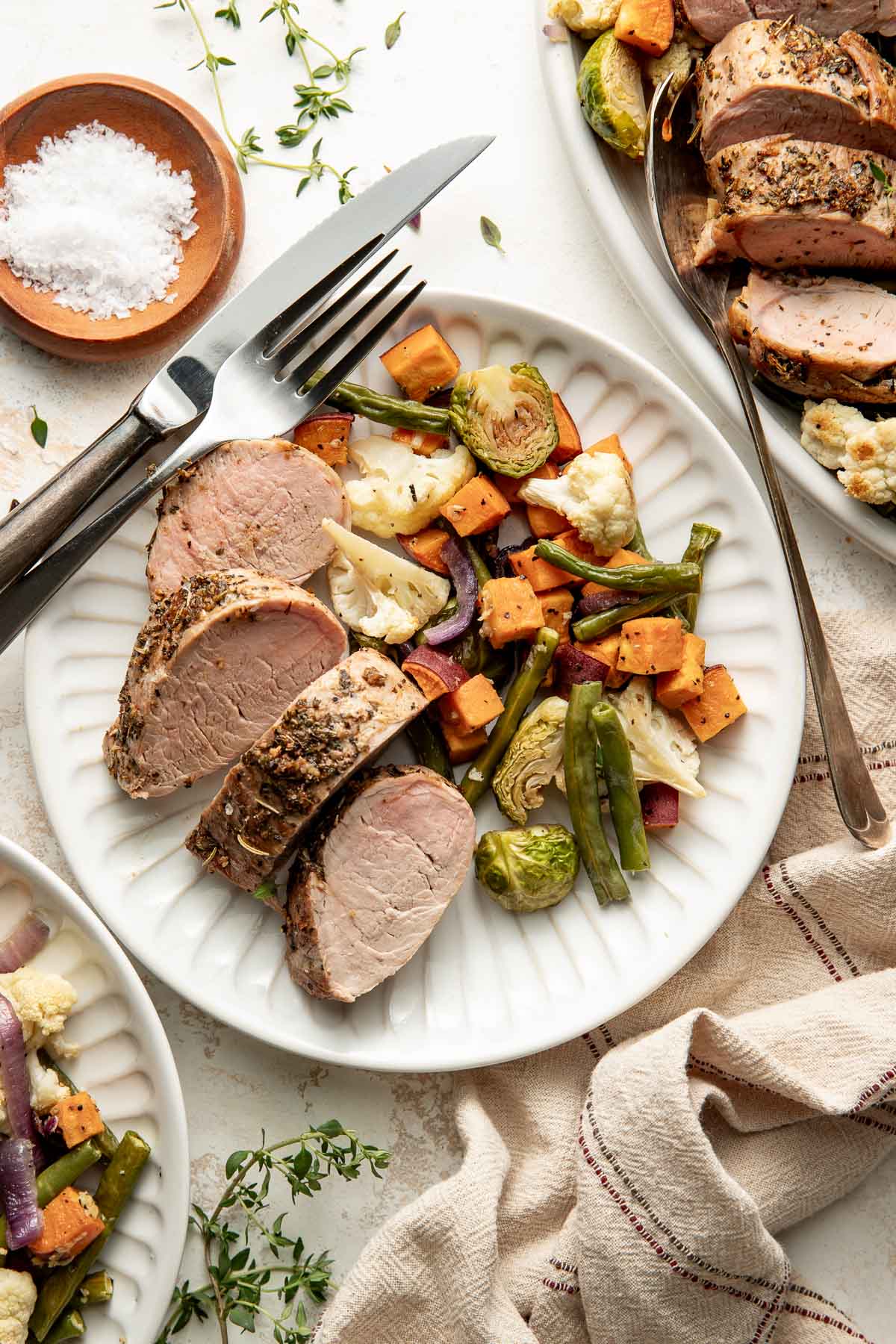
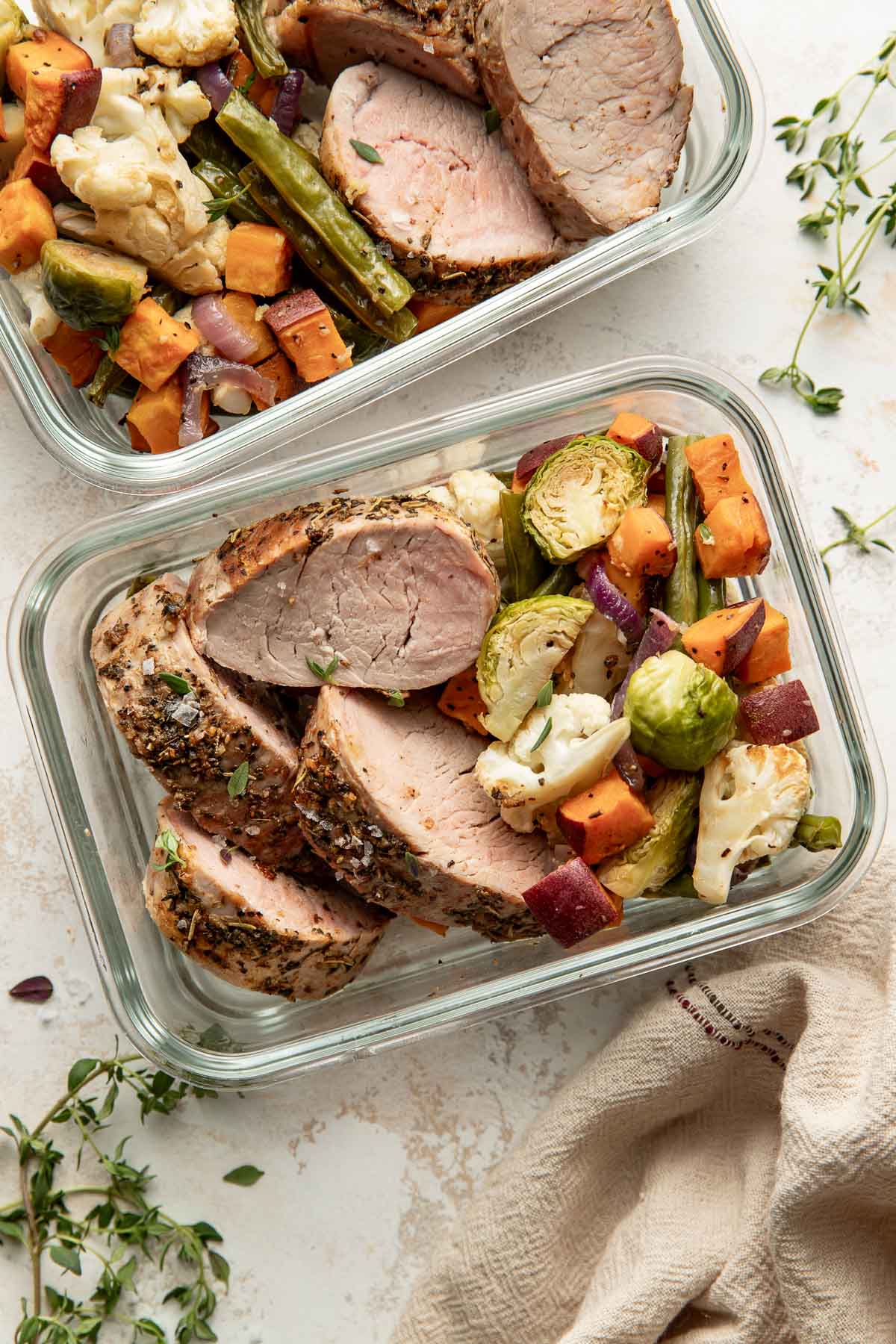
I especially love serving this one-pot pork tenderloin with these oven roasted vegetables because both recipes cook at the same oven temp of 375°F. That makes it incredibly convenient to prepare both at the same time for an easy, well-balanced dinner. The pork provides plenty of protein while the roasted vegetables add vitamins, fiber, and color to the plate.
Mashed potatoes, roasted potatoes, green beans, a simple green salad, or a crisp seasonal salad are also delicious options to serve alongside the pork. I particularly like having leftovers because the sliced pork is fantastic for meal prep. A few slices of pork with roasted vegetables make an easy lunch or dinner that reheats well throughout the week.
Store And Reheat Leftovers
I store leftover sliced pork tenderloin in an airtight container in the refrigerator for up to 3 days. Slicing the pork before storing it makes it easy to grab the amount needed for a quick lunch or dinner.
When reheating, I recommend using gentle heat and stopping as soon as the pork is warmed through. The lean nature of pork tenderloin means that high heat or prolonged reheating can dry it out. Adding a little of the leftover pan drippings over the slices before reheating can also help keep them flavorful and moist.
Frequently Asked Questions
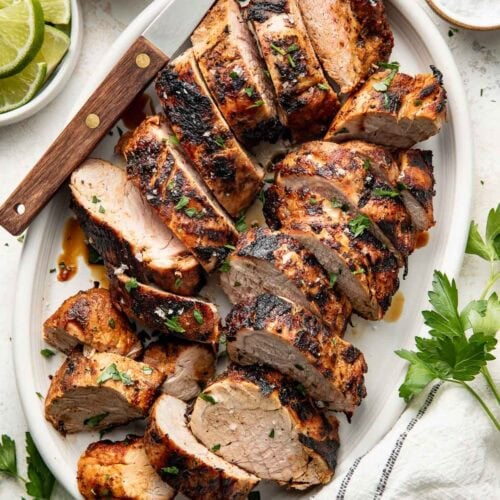
Absolutely. Pork tenderloin is also excellent on the grill. I like the oven method in this recipe because searing the pork in an oven-safe skillet and finishing it in the same skillet is simple and convenient, especially during cooler months. If grilling, the same principle applies: use a meat thermometer and cook until the thickest part reaches about 140-145°F, then let the pork rest before slicing.
Silver skin is a tough, shiny membrane found along part of the surface of some pork tenderloins. I recommend removing it before cooking because it does not soften much during cooking. And it can make the finished pork tougher or cause it to curl. To remove it, slide a sharp knife underneath the silver skin. Then carefully run the knife along the membrane while keeping the blade angled slightly upward. Avoid removing too much of the tender meat.

Want to save this recipe?
Enter your email below & we’ll send it straight to your inbox. Plus you’ll get great new recipes from us every week!
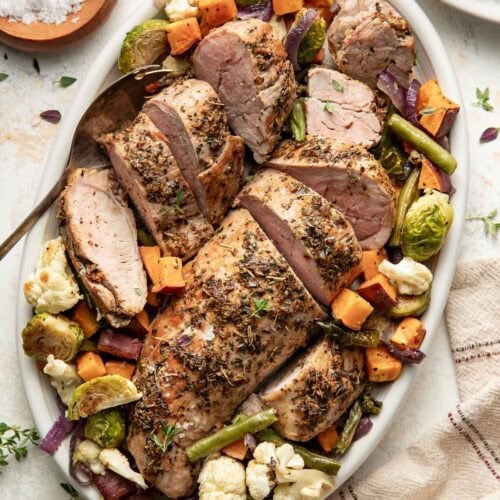
Oven Pork Tenderloin Recipe
This oven pork tenderloin is one of my favorite simple ways to prepare lean pork. Searing creates a flavorful golden crust, while finishing the tenderloin in the oven keeps the center tender and juicy.
Ingredients
- 1 ½ tablespoons avocado oil
- 2 pork tenderloins (2 to 2½ lbs. total)
- ½ teaspoon fine salt
- ¼ teaspoon black pepper
- 2 to 3 garlic cloves, minced (~1 tablespoon)
- 2 teaspoons dried Italian seasoning
- ½ teaspoon paprika
Instructions
- Preheat oven to 375℉.
- Place an oven-safe skillet or large cast iron skillet over medium high heat. Add the oil and swirl to coat the bottom of the skillet. While it’s heating, pat the pork tenderloins dry with a paper towel and season evenly with salt and pepper.
- Once the oil is hot, add the pork and sear on one side for 2-3 minutes, flip and sear on the other side for 2-3 minutes.
- While the pork is searing, in a small bowl, combine the garlic, Italian season, and paprika.
- Remove the skillet from the heat after searing the pork. Press the seasoning mixture into the top and sides of the seared pork tenderloins.
- Transfer the skillet to the preheated oven and bake the pork for 14-18 minutes or until internal temperature reaches 140℉ to 145℉. Time needed in the oven will depend on the thickness of the pork.
- Once the pork reaches an internal temperature of 140℉ to 145℉*, remove it from the oven and let it rest for 5-10 minutes.
- Transfer the pork to a cutting board and cut it into ½-inch-thick slices. Any leftover pan drippings can be drizzled or spread over the pork tenderloin for added flavor.
- Store leftover sliced pork in an airtight container in the refrigerator for up to 3 days.
Last Step! Please leave a review and rating letting us know how you liked this recipe! This helps our business thrive so we can continue providing free recipes and high-quality content for you.
Notes
* I typically remove the pork from the oven when it reaches 140℉, as the internal temp will continue to rise a few degrees after it comes out of the oven.
If the skillet used in Step 2 is not oven safe, transfer the seared pork tenderloin to a sheet pan in step 5 before placing it in the oven.
Nutrition Information
- Serving Size: 4 ounces cooked pork
- Calories: 145
- Fat: 5 g
- (Sat Fat: 2 g)
- Sodium: 215 mg
- Carbohydrate: 1 g
- (Fiber: 0 g
- Sugar: 0 g)
- Protein: 30 g
- Cholesterol: 92 mg
Dietary
The photos in this post were taken by Megan McKeehan.
For ultimate success, we highly recommend reading the tips in the full blog post above. All photos and content are copyright protected. Please do not use our photos without prior written permission. If you wish to republish a recipe, please rewrite the recipe in your own unique words. Link back to the source recipe here on The Real Food Dietitians. Thank you!