
I was a nail biter growing up. So in order to help my nails grow, my Mom used to give me a warm drink called Russian tea that she would stir a packet of unflavored gelatin into. Little did I know that what she was giving me was an early version of collagen! That drink did help my nails grow, but the gelatin coagulated at the bottom of the mug, making those last few sips pretty unbearable.
Collagen has come a long way since then. It’s now broken down into smaller pieces (called peptides) that are easier to digest, absorb, and dissolve in warm or cold drinks. And what researchers know about collagen benefits has evolved, too. True, it’s great for nails, but it’s also beneficial for so much more. I’ll share the top health benefits of collagen and the relevant research.

1. Improved Skin Health
Collagen may improve skin elasticity and reduce wrinkles, which is good news since skin is the largest organ in the body, and collagen is the most abundant protein in the body. Starting around age 20, adults lose about 1% of the collagen in our skin each year.
But a collagen supplement can help combat wrinkles and support more skin elasticity and moisture. Placebo-controlled clinical trials have shown that collagen supplements can improve skin health and skin hydration, and fight back against sun exposure damage through an amino acid that’s abundant in collagen called glycine.
As for whether it’s better to take collagen orally or use topical collagen creams to support slower skin aging, research shows that oral collagen supplements are most effective. A recently published paper took a collective view of 26 different studies and found that collagen powders from fish (aka marine collagen) was the most helpful for anti-aging skin goals. And even though the research is less convincing, many people do swear they notice a difference in wrinkle depth and skin tautness when using topical collagen creams.
Some collagen products even combine collagen peptides with other dermatology-studied ingredients proven to have a positive effect on skin, such as vitamin C from citrus fruits, hyaluronic acid, and other antioxidants.
2. Can Support Joints
If those joints are starting to feel like a squeaky door, collagen may be a helpful building block for more limber and comfortable joints. There’s research showing collagen can help improve joint health by reducing stiffness and pain caused by inflammation. It has an anti-inflammatory effect on ligaments and connective tissue, but it needs to be taken consistently for several months to get relief for joint pain.
Most clinical trials noted that participants had to take a collagen supplement at least 3 to 6 months to notice results. Taking as a dietary supplement in conjunction with eating a well-balanced diet, collagen may be especially beneficial for osteoarthritis and recovering from a joint injury.
3. Could Help With Bone Density
Bones are dynamic tissue, just like skin and muscles. While the process of breaking down and rebuilding bone (known as bone remodeling) is slow, it is constantly happening.
The first step of rebuilding bone tissue is collagen production, which requires both collagen and minerals to create a strong and resilient bone matrix. After age 30 or so, adults may experience a decline in bone density each year. But human studies have shown that collagen supplements – when combined with strength and resistance training – can actually improve bone density (even during menopause) and lower the risk of osteoporosis. A diet rich in minerals (or mineral supplements in some cases) are important, too, especially getting recommended amounts of calcium, phosphorus, zinc, and magnesium.
4. May Improve Gut Health
Collagen can improve digestion and support overall gut health in several ways. First, it can reduce bloating by soothing the lining of the gut. Second, taken daily, controlled studies have shown the effect of collagen on the intestines to be a reduction in mild digestive symptoms. And third, collagen can even nourish the microbiome, which is the helpful community of good bacteria in the digestive tract.
One animal study even showed that marine collagen can help relieve symptoms of leaky gut syndrome by reducing inflammation and nourishing the protective lining of the small intestine.
5. Supports Muscle Mass
Collagen is a type of protein, and like any protein, it plays a key role in supporting muscle maintenance and building muscle mass, with the greatest benefit in this department going to older adults.
Unlike whey protein powder, however, collagen is not a complete protein, so for true muscle building benefits, it should be combined with strength training exercises and used as part of a well rounded diet that includes sources of both animal and plant-based proteins. Dietitian Jessica, for example, likes to include a scoop of collagen in her post-workout smoothie.

6. May Strengthen Hair And Nails
Collagen supplements can boost the appearance, strength, and resilience of hair and nails. Personally, this is one benefit of collagen that I experience pretty quickly with consistent use.
When used daily, fingernails tend to grow faster and be less brittle with less prone to breaking. As for hair health, randomized controlled trials have shown that collagen supplements don’t necessarily make hair grow faster, but they may improve hair thickness.
7. Could Promote Better Heart Health
Interestingly, collagen might have the potential benefit of supporting heart health in a few different ways.
The first is that collagen use may be connected to lower blood pressure and LDL cholesterol, as shown in a meta-analysis of randomized, placebo-controlled trials. This could be due to the fact that collagen may slow the hardening of blood vessels, further lowering the risk of heart disease.
Another heart-related benefit of collagen is that it may have a blood glucose-lowering effect. Consistent high blood sugars, as with uncontrolled diabetes, are a risk factor for many things that would be best to avoid, including heart disease. While more research is needed in this area, the fact that collagen can support heart health and may help stabilize blood sugars is a great potential benefit of this supplement.

8. May Accelerate Wound Healing
There is some preliminary research that suggests collagen may help speed up the healing of wounds, including pressure ulcers and burns. But more research is needed to confirm.
Collagen is an important first component (a “scaffold” of sorts) in the body’s process to create new tissue (similar to what I shared above about collagen’s effect on building bone tissue). With a scaffold in place, the body is then able to deliver helpful molecules to finish this project.
Emerging Research
As more research is done, the possible benefits of collagen will continue to emerge.
While a single study isn’t enough to make firm claims about a product or ingredient’s potential benefits, it is a starting point. Stronger evidence comes from something called meta-analyses, which is when researchers look at a large body of studies and see where there are similar outcomes. There is some emerging research on collagen that nutritionists like me are keeping an eye on, including preliminary research suggesting that collagen may help:
- reduce fatigue and increase the feeling of sleep restfulness
- improve sleep quality
- protect the nervous system after injury or illness and promote repair
Dosage
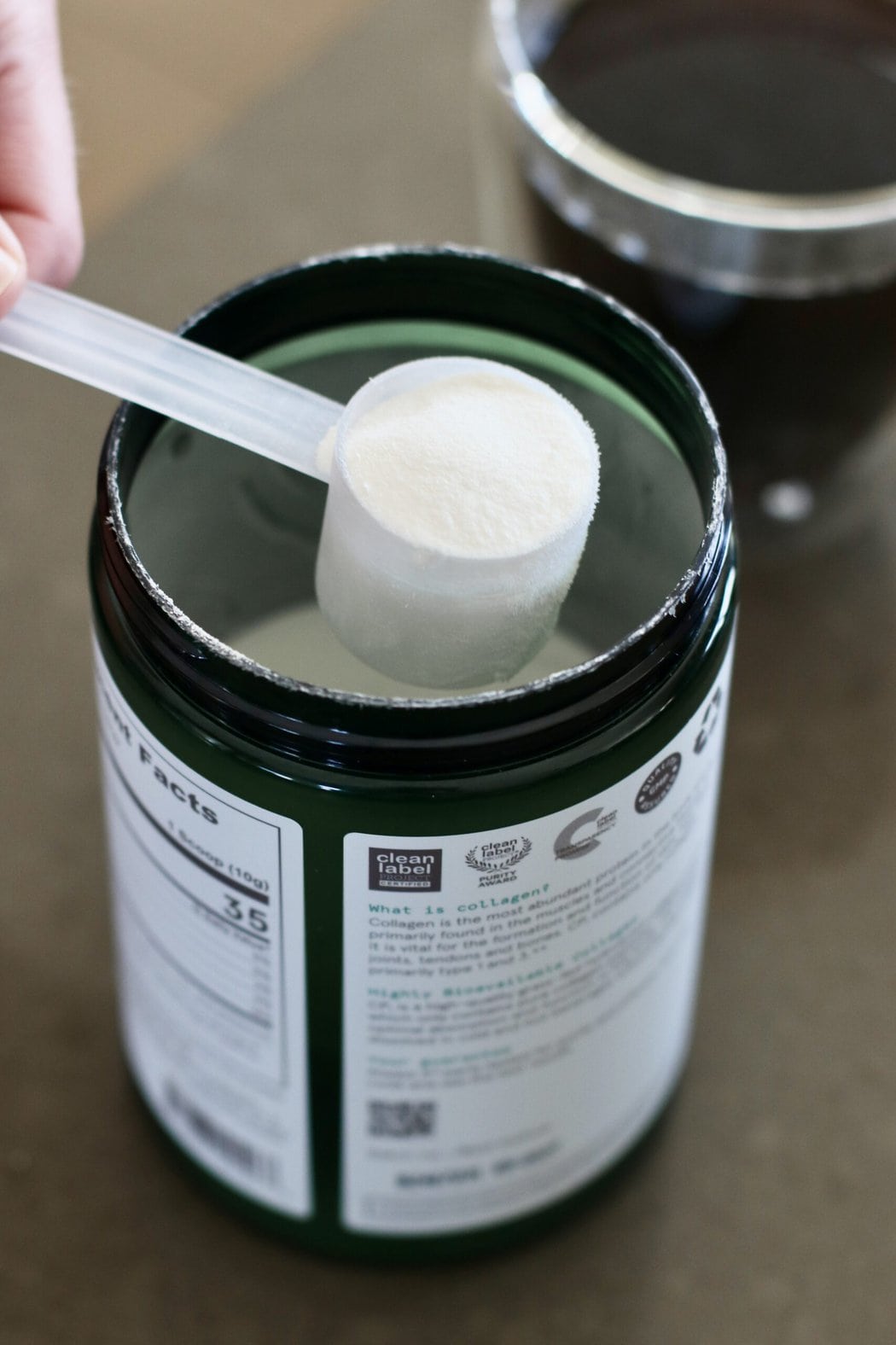
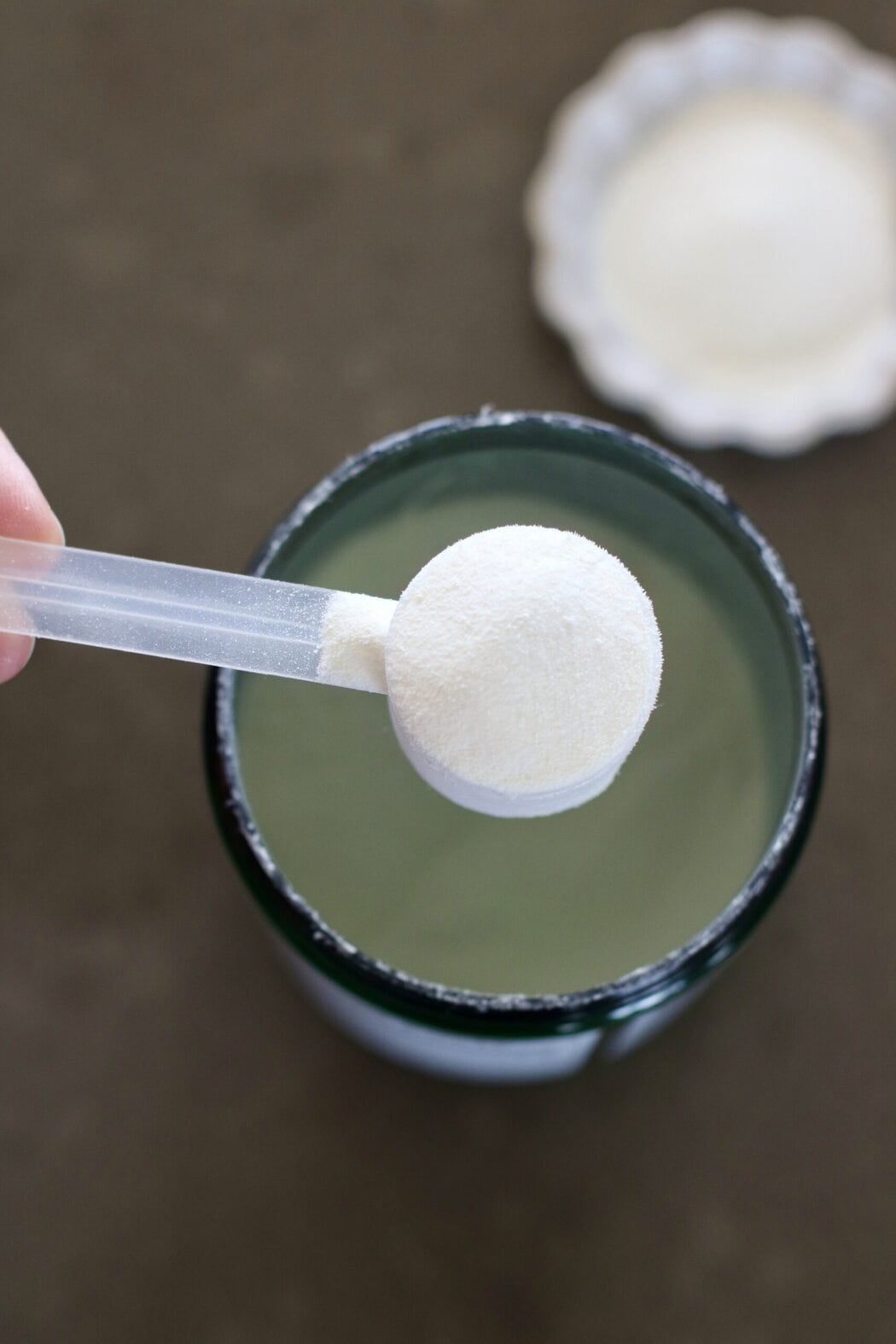
To get the benefits of collagen, it’s always important to look at the recommended doses used in these studies. As a starting point, 10 to 20 grams of collagen per day is a good amount to aim for. Most powdered collagen supplements come with a scoop that typically hold somewhere in that range.
In addition to powered collagen supplementation, this nutrient is also available as chewable gummies, capsules, liquids, and even topical lotions and the types and amount of collagen in each product varies. The best form is the one that you will actually take and stick with, but powdered collagen products tend to be the most affordable and effective.

Safety And Considerations
For most folks, collagen is a low-risk product. It is generally well tolerated and the chance of having a side effect is low.
With that said, the side effects of taking collagen reported by some include upset stomach or other GI issues when first starting collagen, headache, or insomnia, but these cases are rare. For most people, the benefits of collagen supplements are positive and outweigh any negatives.
But no supplement is 100% risk-free. There are a few folks who should take caution before starting a collagen product. Those include
- People with certain food allergies: Avoid any collagen products if there is an allergy to the animal it was made from. For example, someone with a fish or shellfish allergy should avoid marine collagen products.
- Someone with diabetes: Collagen may lower blood sugar. So for someone who is already taking a blood sugar-lowering medication, such as metformin or GLP-1s, it’s important to be aware of this possible addition. Speak with your healthcare provider before starting collagen to make sure that the combination of products wouldn’t cause blood glucose to drop too low.
Quick Note: I am a registered dietitian, but I am not your dietitian. So always check with your healthcare provider before starting any new supplement, including collagen. They can help you navigate any possible interactions with your current medications, other supplements, and assess risks based on your unique health history.

Frequently Asked Questions
This depends on what prompted taking collagen to begin with. For skin, nail, and wound healing benefits, a difference might be noticed within just a week or two of daily use.
For improved gut health, better heart health (like lowered blood pressure and LDL cholesterol), and reduced joint pain, the benefits might take a few months of consistent collagen supplementation to notice results.
There are nearly 30 forms of collagen, but the most common are known as type I, type II, and type III. The type indicates where each type of collagen is most prevalent in the body.
Type I collagen is most common in skin, bone, tendons, and ligaments. Type II is mostly found in cartilage, and type III collagen is mostly found in skin, muscle, and blood vessels.
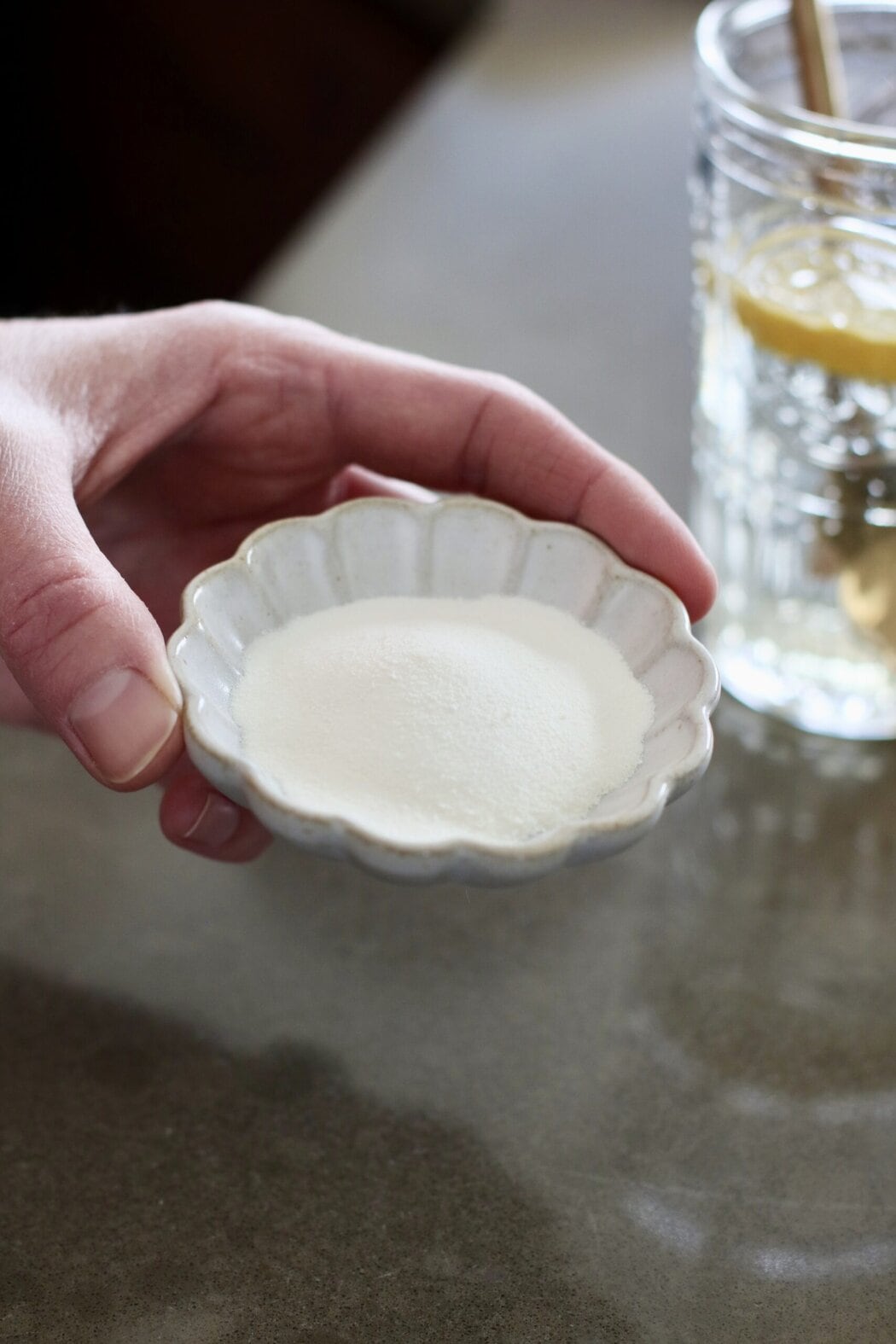
Hydrolyzed collagen (also known as collagen peptides or collagen hydrolysate) is strands of collagen proteins that are broken down into smaller pieces. This makes hydrolyzed collagen easier to dissolve into liquids, even cold ones.
All proteins are made from smaller building blocks called amino acids. The most common amino acids in collagen are hydroxyproline, proline, and glycine.
Collagen is naturally occurring in many foods from animals. It’s in homemade bone broth, where collagen enters the liquid by leeching from the bones, joints, skin, and connective tissue of slowly simmered bones. It’s also prevalent in chicken (especially chicken cooked with the skin still on), organ meat, and canned fish with bones (think sardines and canned salmon with bones). If you don’t eat many foods like this, it may be a good idea to try a collagen supplement.
It can be! And the benefits of collagen are stronger when it’s taken consistently, even daily.
Personally, I add powdered collagen to a water bottle a few times a week to help keep my nails strong and to reap other long-term benefits. Dietitian Stacie takes it almost daily, adding a scoop to a cup of coffee. And Dietitian Jessica adds a scoop of collagen (along with creatine) in her post-workout smoothies, overnight oats, or a cup of yogurt a few times a week.
The collagen we all use is Puori CP1 collagen. We like that it doesn’t have a strong taste and (it dissolves well in both cold and hot drinks.




For ultimate success, we highly recommend reading the tips in the full blog post above. All photos and content are copyright protected. Please do not use our photos without prior written permission. If you wish to republish a recipe, please rewrite the recipe in your own unique words. Link back to the source recipe here on The Real Food Dietitians. Thank you!



Is collagen supplementation safe during pregnancy?
Yes it is safe to take collagen during pregnancy, but if you have any concerns, please mention it to your OBGYN. Collagen during pregnancy could have many benefits, including helping with skin stretching and elasticity, potentially reducing stretch marks; potentially easing joint discomfort as your body carries more weight; providing extra protein, which is vital during pregnancy; and may even support overall digestive health during pregnancy.