
In addition to eating right and exercising, I really prioritize getting enough sleep to take care of my body. Sleep can be overlooked when it comes to well-being, but it’s a critical component for my overall health. Habits like powering through, working late, or burning both ends of the candle are often glamorized, when the reality is that skipping out on sleep is usually doing more damage than good.
I knew that getting enough sleep was really important for my overall wellness. It helps support my immune system and heart health and insufficient sleep is linked with other health conditions too. That’s why I created an evening routine to help me wind down and sleep better.
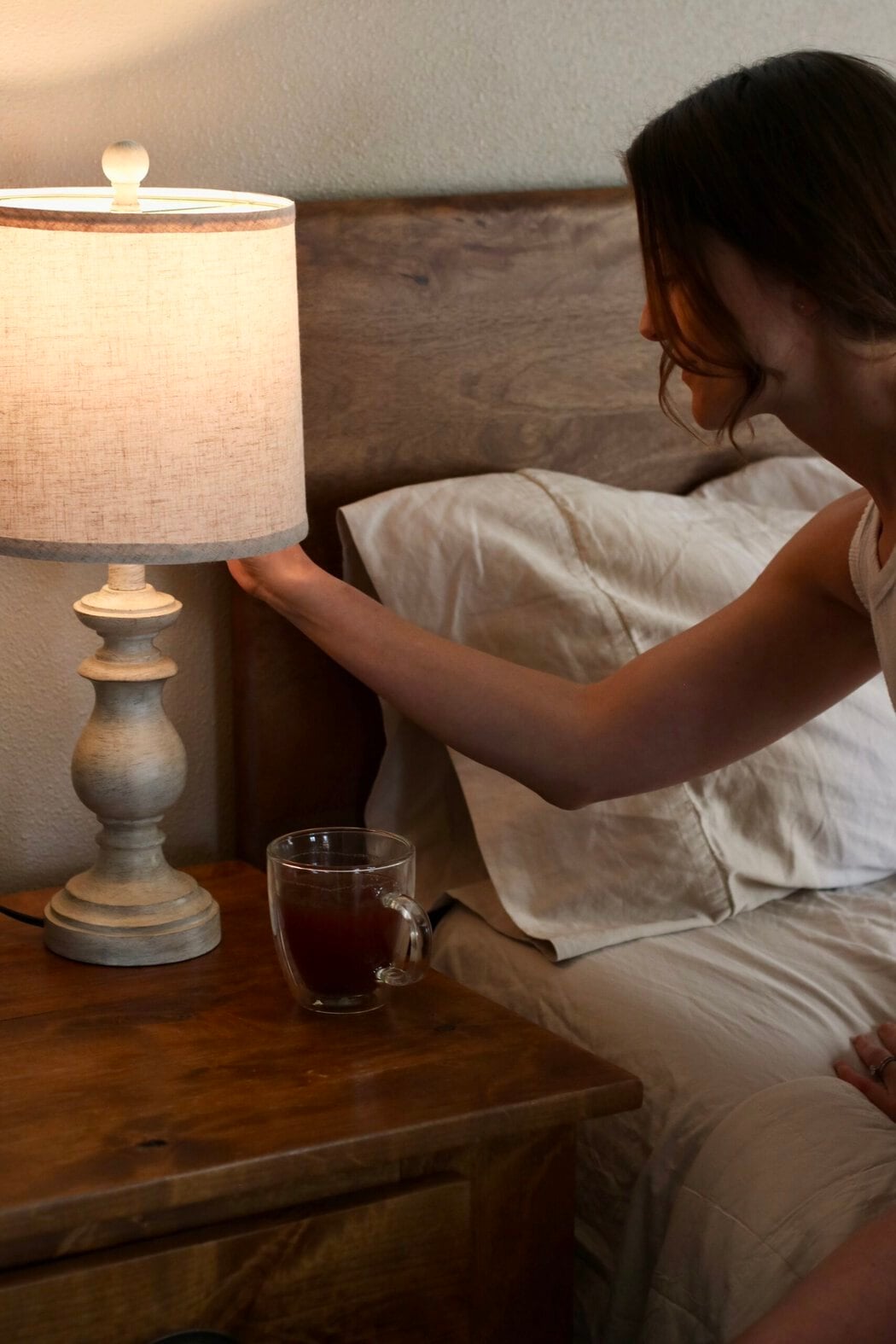
Most experts recommend 7-9 hours of sleep each night, and the amount of sleep I get is tied to how good I feel the next day. I’m pretty good about sticking with this routine most nights, but sometimes life gets in the way. I’m a Mom of three young kids, so while I’m no longer in the newborn trenches, there are still nighttime wakeups and also activities that sometimes keep me out later than I want.
However, as much as I can, I stick to these sleep habits. I’m a registered dietitian, so I love that there is research to support the pieces of my evening routine. When I do all of these, I set myself up for truly restful sleep and feel so much better the next day.
Consistency Is Key
If there’s one thing about a bedtime routine I could shout from the rooftops, it would be, “a consistent sleep schedule is key!” I know it can be tempting to go to bed at midnight one night and then early the next, but that doesn’t actually work. I usually go to bed at the same time each night, between 9:30 and 10:00 pm, and wake up pretty consistently at 6 am. Keeping the same wake-up times and bedtimes is so important for my body’s circadian rhythm, or internal clock. My body’s sleep/wake cycle is in much better shape when it knows what to expect.
Without consistent sleep timing, my circadian rhythm can become disrupted and my nervous system misaligned. Having an inconsistent sleep schedule is linked to increased inflammation, decreased cognitive performance, and other poor health outcomes.
Starting a new routine can take some time. While there’s a widespread saying that a new habit takes 21 days to form, research on habit formation shows it actually takes up to two months or sometimes longer. That sounds like a long time, but small steps really helped me get started, and can be a crucial piece of any behavior change. I used to have to remind myself to start getting ready for bed, but now it’s second nature to me.

Have A Wind-Down Hour
I’m a Mom and small business owner, and I love how full my days are, but I would rarely describe them as relaxing. A lot of my daytime hours have a go-go-go pace, which is why it’s so important to help my body slow down and prepare for bed. I give myself a good hour to get into my sleep routine.
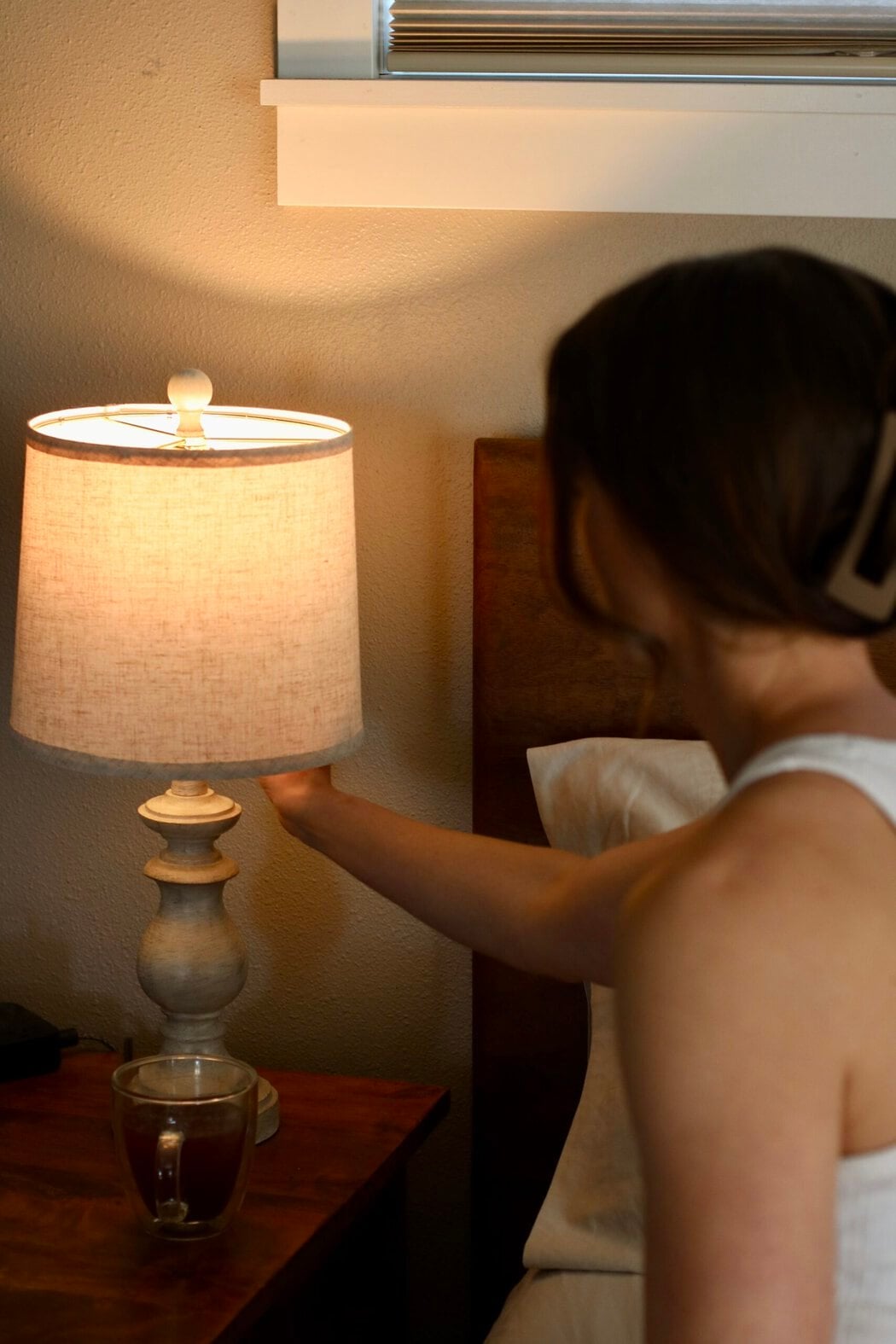
I like to think of my wind-down hour as establishing good sleep hygiene. That means I am changing my environment and also altering my behavior to limit stress and help myself chill out. One thing I do in my house is dim all the lights in my home in the evening. Bright lights at bedtime keep my body awake, and can limit the amount of melatonin my body makes. Morning light has the opposite effect, which is why getting morning sunlight is one of my favorite morning routine healthy habits to help me sleep. It makes sense that my body wants bright light in the mornings and soft light in the evenings.
I also take a shower before bed every night. It’s a habit I’ve had for as long as I can remember. It signals my body that it’s time to get ready for bed, and I use it as a transition from my day clothes into my pajamas. And research supports that a hot bath or shower close to bedtime helps me fall asleep faster and get a better night’s sleep. Even if I don’t have a full hour to relax, I carve out as much time as I can to transition from the day into calm and sleep mode.
Limit Screen Time
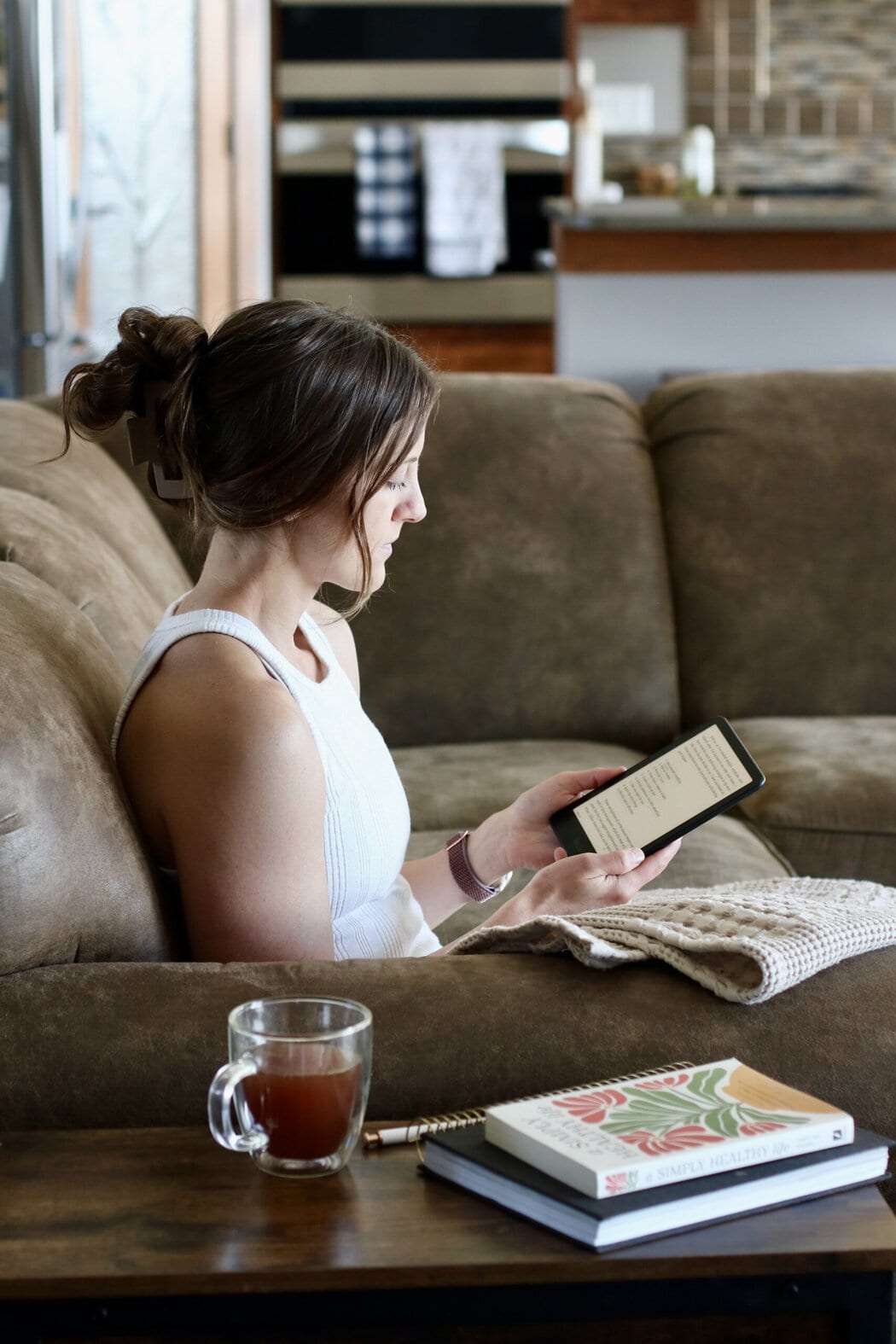
I spend a lot of time on my laptop and phone for work, but I know how important it is to put them away in the evening. I make it a rule not to scroll when I’m in bed. It can become too easy to grab my phone or another electronic device and get sucked in. To help with mindless scrolling on social media, I just don’t bring my phone into my bedroom with me.
Looking at screens right before bed can lead to a 33 percent increase in poor quality sleep, later bedtimes, and about 50 fewer minutes of sleep over a week. Another study in younger adults, think college age, found that the more time spent on smartphones, the lower the quality of sleep overall, but pre-bedtime TikTok and Instagram scrolling (and other phone usage) made it worse.
It’s especially important to limit screen time in the hours before bed. Blue light from screens can keep my brain awake. It can trick my body into thinking it’s earlier than it really is, and instead of sending cues to go to bed, like releasing melatonin, the blue light makes it harder to fall asleep. I try to give myself at least an hour of screen-free time, but on busy days, I might only manage 30 minutes, which is better than nothing. That’s usually when I’ll take a shower, follow my skincare routine, floss and brush my teeth, and settle in with a good book on my Kindle or listen to a podcast to wind down for bed.

Time Food and Drink Wisely
What I eat and drink during the day can affect my digestion and my sleep quality. Luckily, I enjoy many of the foods that help support sleep, including fruits, veggies, protein, and complex carbs. Throughout the day, I focus on eating balanced meals to support my energy levels.
I typically eat dinner between 5:30 and 6:00 pm and don’t really eat after that. If I have a full stomach at bedtime, I don’t usually get great sleep. Meal timing can impact my circadian rhythm. Eating too close to bedtime, especially large meals, can also cause GI discomfort and heartburn. And people who eat dinner 3 hours before bedtime tend to have fewer sleep disruptions than those who eat closer to falling asleep. If I’m feeling a little hungry before bed, I’ll have a small snack, like a half a banana with almond butter, a few crackers with cheese, or one of these peanut butter bites that I keep stashed in my freezer.
I love having a relaxing beverage before bed. A few times a week, I drink AGZ, a nighttime beverage designed to support restful, restorative sleep. Other nights I might have a soothing cup of chamomile tea, which helps support better sleep.
There are also certain foods and drinks I skip or limit, especially close to bed. I avoid caffeine after 2:00 pm and keep my total intake under 300 mg per day. Drinking coffee or caffeine in the afternoon can cause sleep problems by reducing total sleep and making it take longer to fall asleep. While drinking alcohol makes me feel drowsy, I also don’t drink any alcohol too close to bed, since it can reduce deep sleep and create sleep disruptions.
Reduce Stress
Poor sleep isn’t great for my mental health and mood. But it’s a two-way street … If I’m stressed, I’m less likely to get a good night’s sleep. People who feel less stressed sleep more and have better quality sleep, compared to people with higher stress levels.
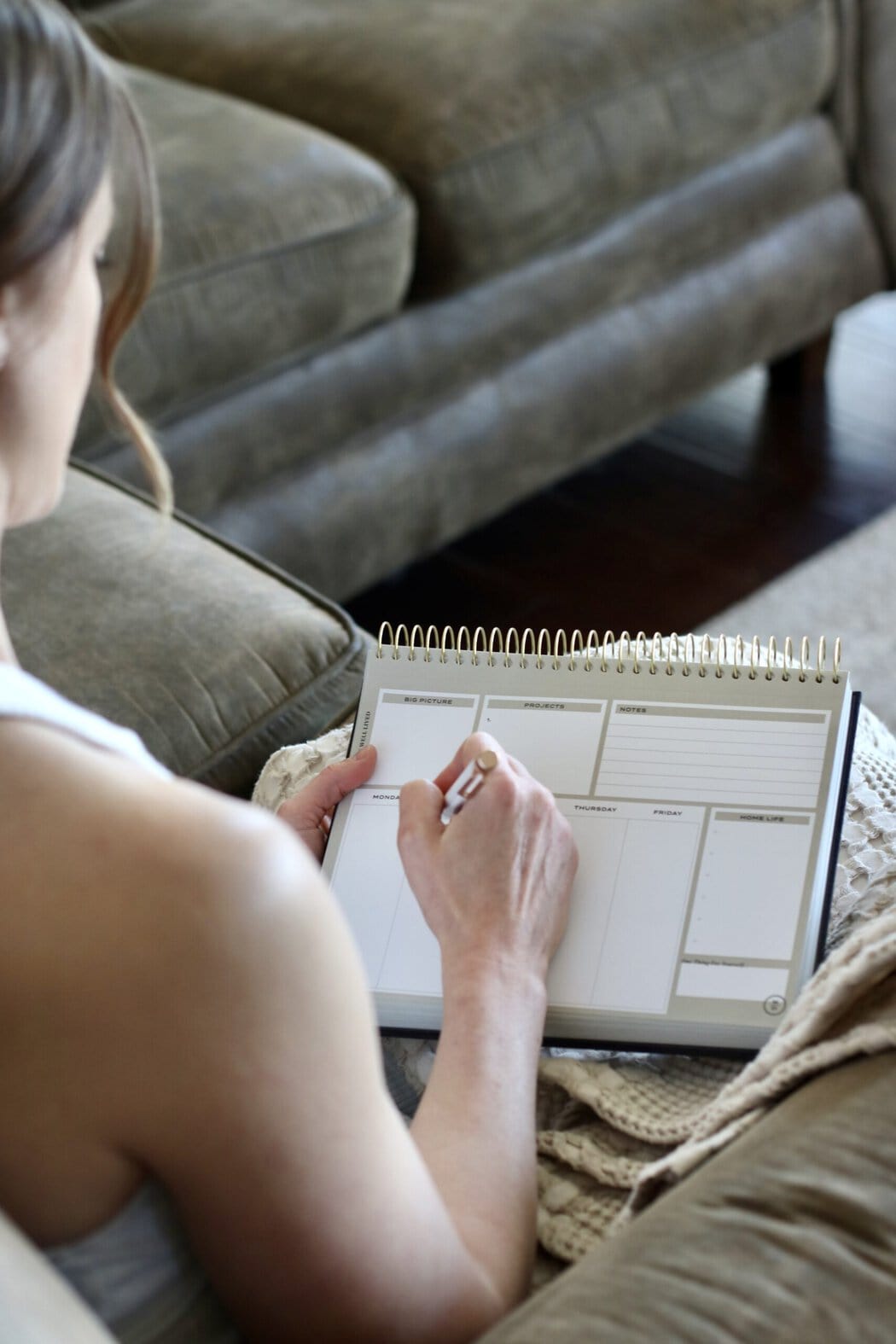
Before going to bed, I always write a to-do list for the next day. This is a habit of self-care that helps clear my mind, so I’m not lying awake thinking about everything that needs to get done. Journaling out a plan gives me peace of mind.
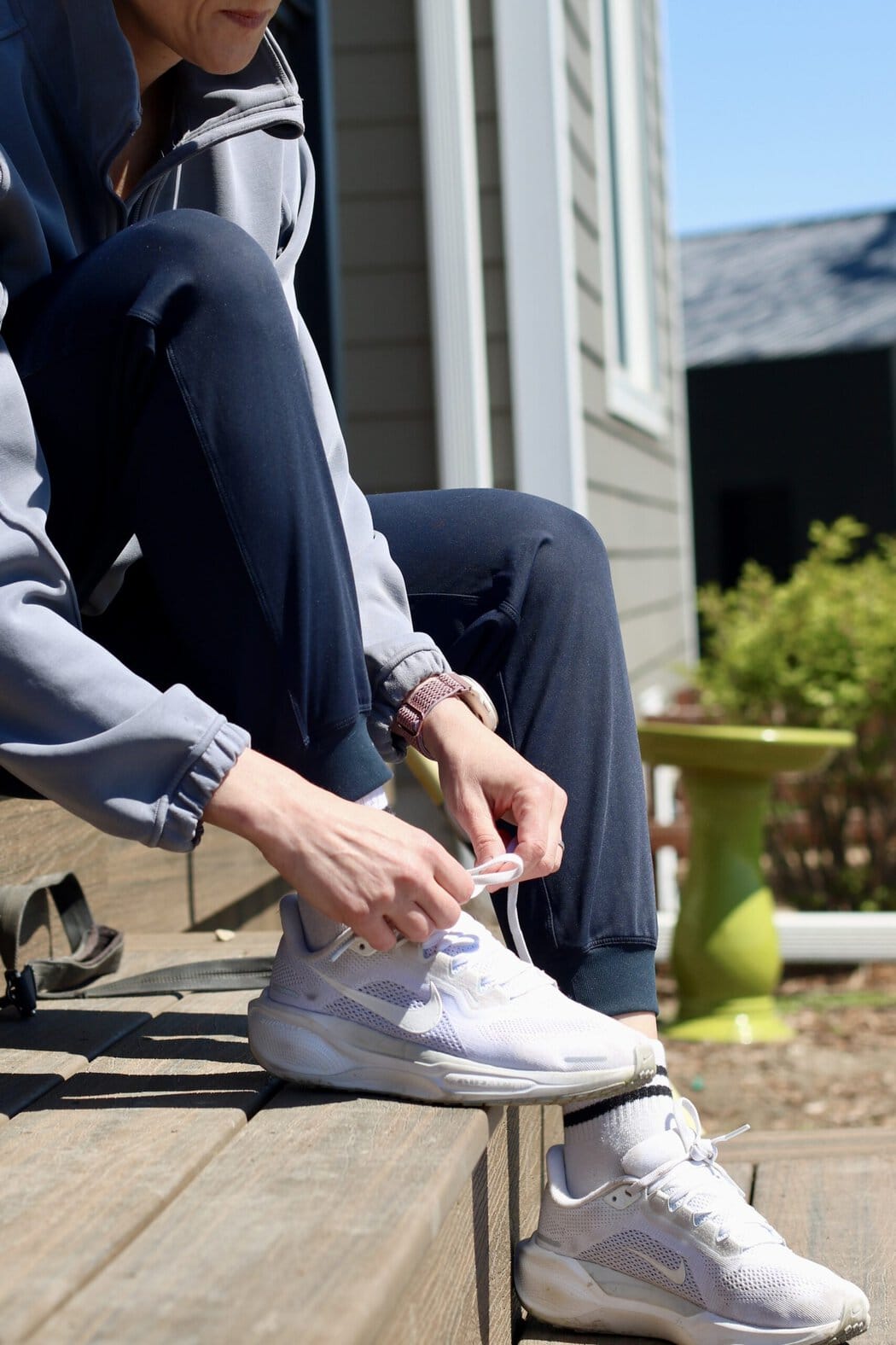
I also make it a priority to move my body regularly, which plays a big role in keeping my anxiety and stress levels in check. Exercise helps with sleep in lots of ways. Physical activity helps reduce anxiety and improve mood, changes body temperature, and increases my melatonin production. It’s nice to know my daily workout has so many benefits for my mental and physical health.
In addition to movement and making to-do lists, there are lots of ways to help reduce stress. Keeping a journal, spending time outside, stretching, and deep breathing may all help. If my stress feels like it’s getting a bit higher, I might add an evening meditation, listen to a relaxing playlist, or take an extra walk outside to help manage it.

Your Sleep Environment Matters
My bedroom is a key part of how much sleep I get. I make a big effort to get my room ready for sleep and I know there are certain things like room temperature and darkness that make a difference.
I don’t have a TV in my bedroom and I keep my phone plugged in outside of my bedroom, to resist the urge to pick it up.
I keep my house pretty cool at night to make sure my bedroom stays cool. I sleep better when the temp is cooler, and it’s not just because of my Minnesota blood. The National Sleep Foundation recommends keeping the thermostat set between 65 and 68°F for optimal sleep.
I also run a fan at night that provides some white noise in the background. There’s not a lot of research around white noise, and studies have mixed results. Personally, I find it soothing. Plus, it’s another cue to help my body sleep and dull any background noise. It’s important for any white noise to not be too loud, as white noise sounds over 91 dB can damage hearing and may disrupt sleep. That’s fairly noisy though, and according to the National Hearing Conservation Association a train whistle is about 90 dB and a subway going 200 mph is 95 dB.
I also have blinds to block any light from coming into my room. My bedroom stays cool, dark, and has a soft murmur of white noise to help me sleep well.
Sample Night Routine
Here’s what a typical evening routine looks like for me before bed.
- 6:00 pm: Eat dinner and wrap up in the kitchen.
- 6:30-7:30 pm: Kids bedtime routine, including bath and books.
- 7:30-8:15 pm: Clean up around the house. Dim the lights.
- 8:15-8:30 pm: Make myself an evening beverage of AGZ or herbal tea.
- 8:30-9:00 pm: Take a warm shower, brush my teeth, and get ready for bed.
- 9:00-9:30 pm: Get into bed and read for a little bit with a book or make a to-do list for the next day before it’s lights out.
Frequently Asked Questions
The 3-2-1 rule is a simple way to remember to start getting your body ready for bed. It goes like this: 3 hours before bed, stop eating; 2 hours before bed, stop working; and 1 hour before bed, turn off screens.
Sleep deprivation is very serious. Not getting enough sleep is associated with many health problems like high blood pressure, obesity, and heart disease. Lack of sleep can also cause mental health problems, lower productivity, and make it difficult to function and react.
A lack of sleep can be influenced by many factors, but nutrition is one of them. An overall balanced diet is the best way to get sleep-promoting nutrients in but supplements may help with sleep. Magnesium is one mineral that is well researched and shows sleep benefits.
Trouble sleeping can sometimes be a more serious sleep condition. Common sleep disorders include insomnia, sleep apnea, restless leg syndrome, and extreme daytime sleepiness (hypersomnia). A healthcare provider trained in sleep health can help with these conditions.





For ultimate success, we highly recommend reading the tips in the full blog post above. All photos and content are copyright protected. Please do not use our photos without prior written permission. If you wish to republish a recipe, please rewrite the recipe in your own unique words. Link back to the source recipe here on The Real Food Dietitians. Thank you!